Pioneers
Beginner
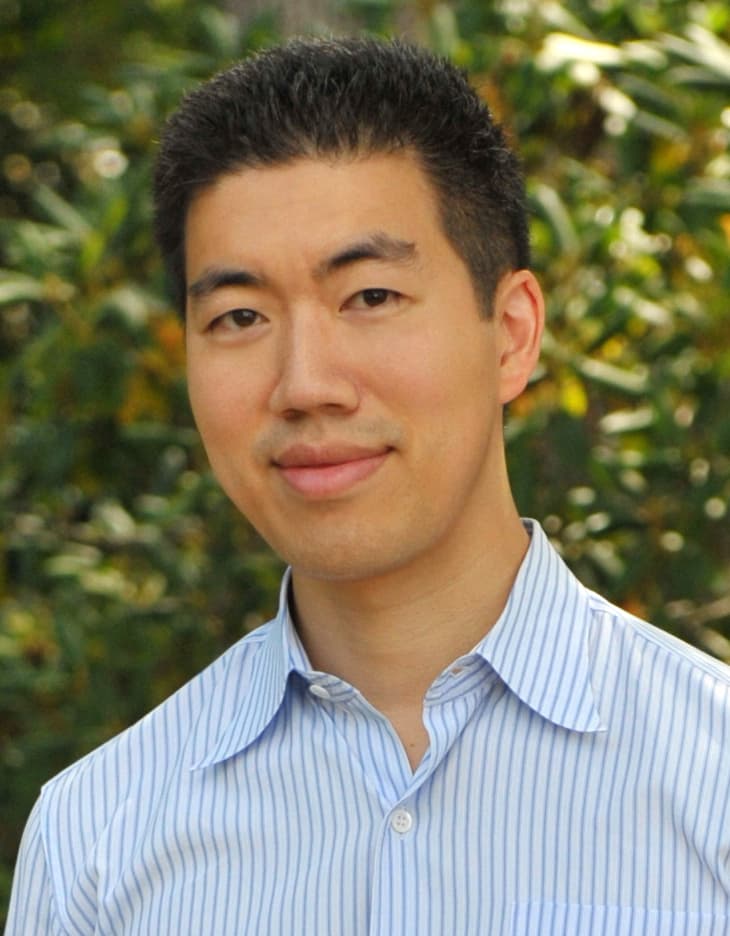
David Liu: The Chemist Rewriting the Code of Life
How David Liu invented base editing and prime editing, creating precision gene editing tools that go beyond traditional CRISPR.
Mar 14, 20268 min read
The gene editing revolution was built on the shoulders of visionary scientists who spent decades pursuing fundamental discoveries. From Francisco Mojica identifying CRISPR sequences in salt marsh bacteria, to Jennifer Doudna and Emmanuelle Charpentier's Nobel Prize-winning demonstration of programmable DNA cutting, to David Liu's invention of base and prime editing, these pioneers transformed our ability to rewrite the code of life. Their profiles reveal not just scientific breakthroughs but the perseverance, collaboration, and controversy that define modern genomics.
Scientists who received the highest honor for their gene editing contributions
The researchers who found and characterized the CRISPR system
Scientists who developed base editing, prime editing, and other precision tools
Leaders who brought genetic medicine from lab to clinic
Scientists advancing the science of healthy aging
Accessible introductions for newcomers
How David Liu invented base editing and prime editing, creating precision gene editing tools that go beyond traditional CRISPR.
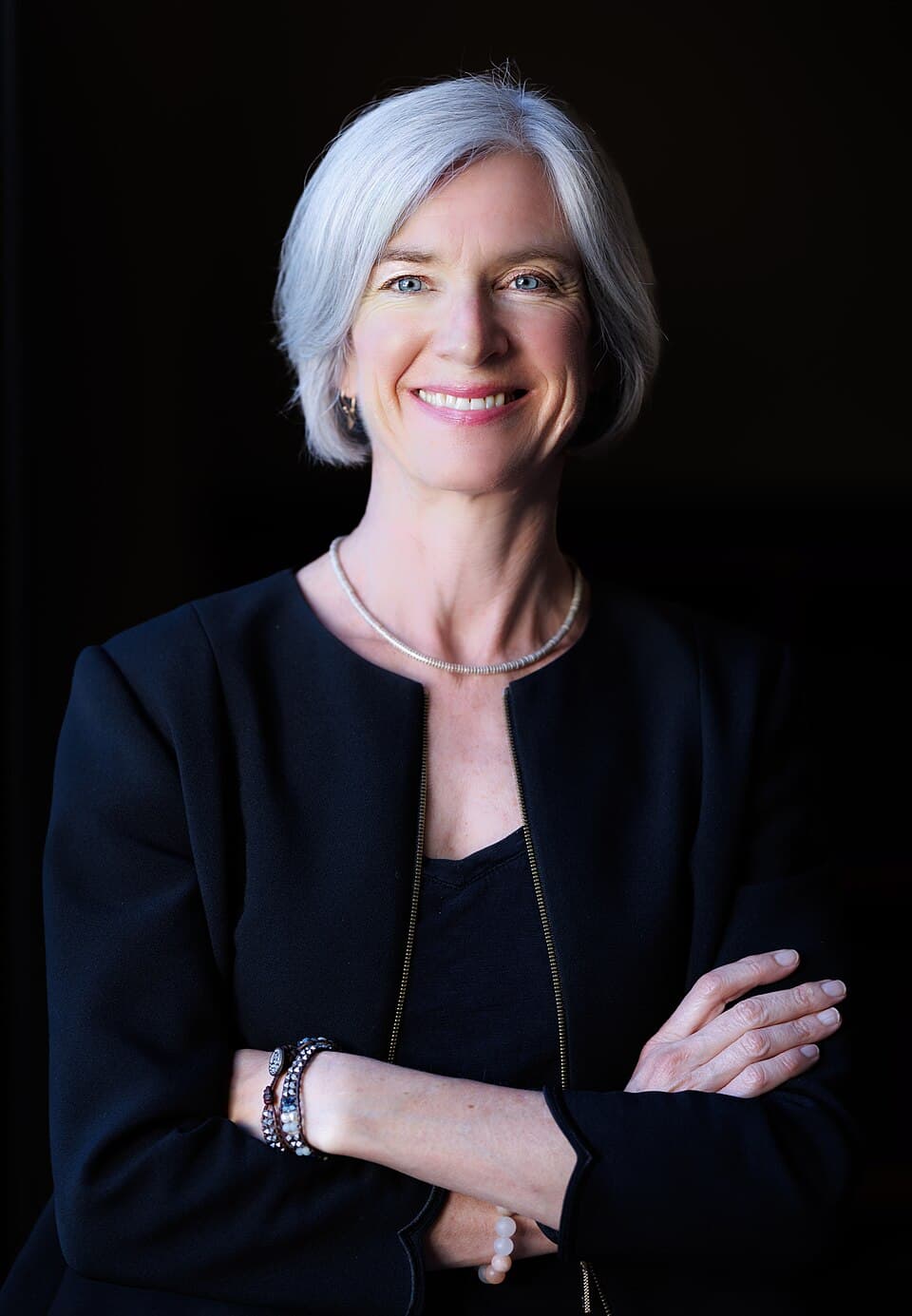
The story of Jennifer Doudna, from studying RNA structure to co-inventing CRISPR-Cas9 and winning the Nobel Prize in Chemistry.
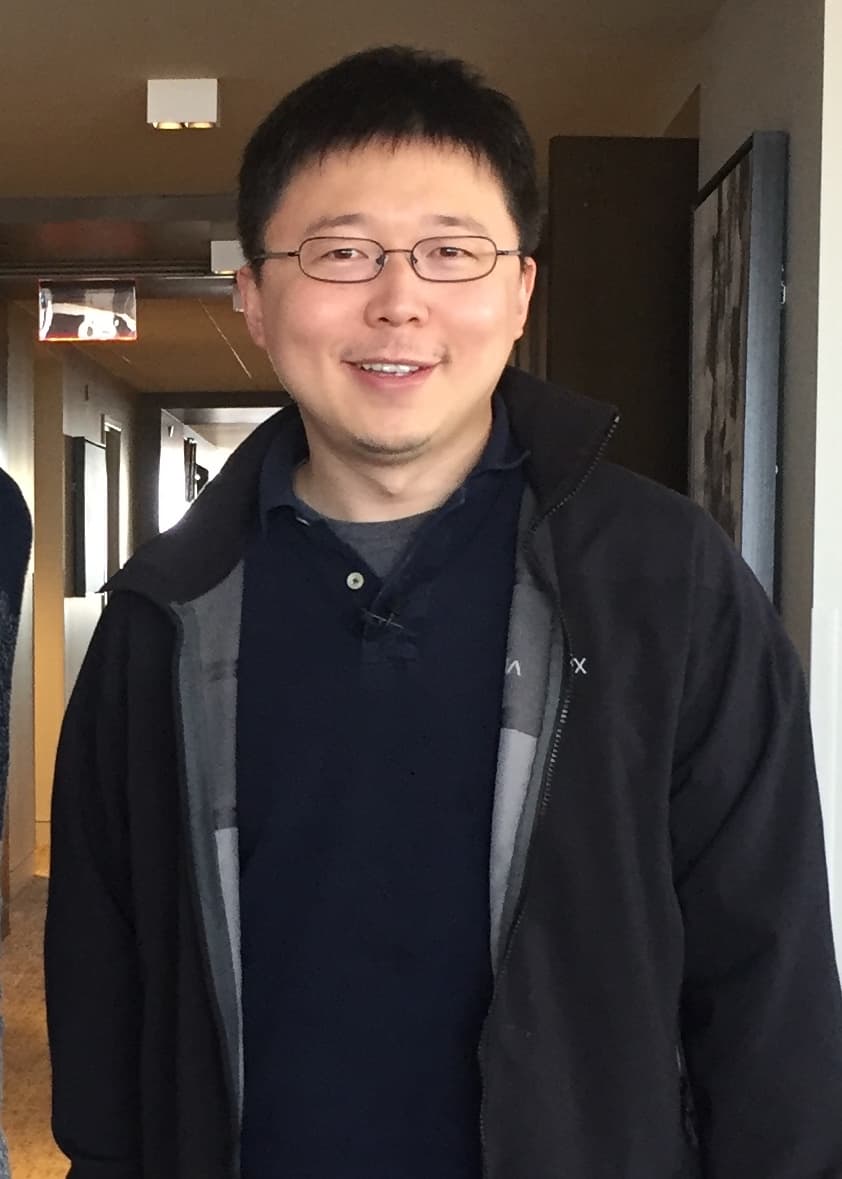
How Feng Zhang became the first scientist to harness CRISPR for editing mammalian genomes, sparking a revolution in biomedicine.
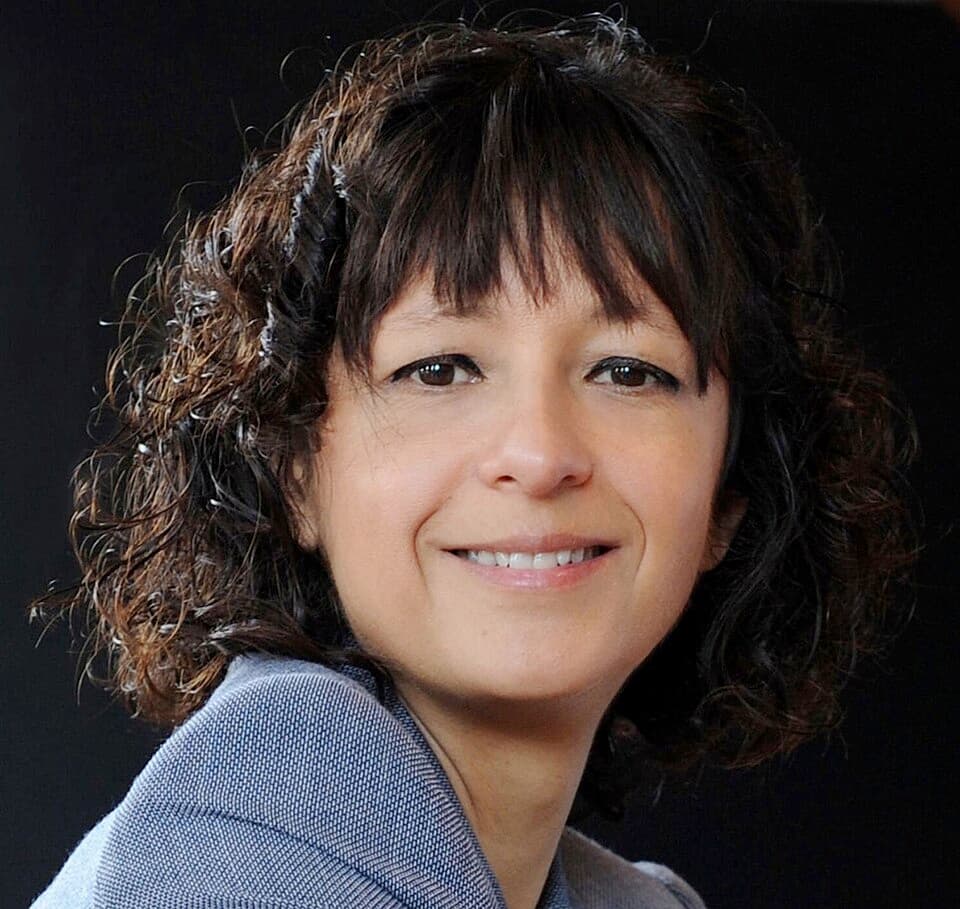
How Emmanuelle Charpentier's deep curiosity about bacterial immunity led to the CRISPR revolution and a Nobel Prize in Chemistry.
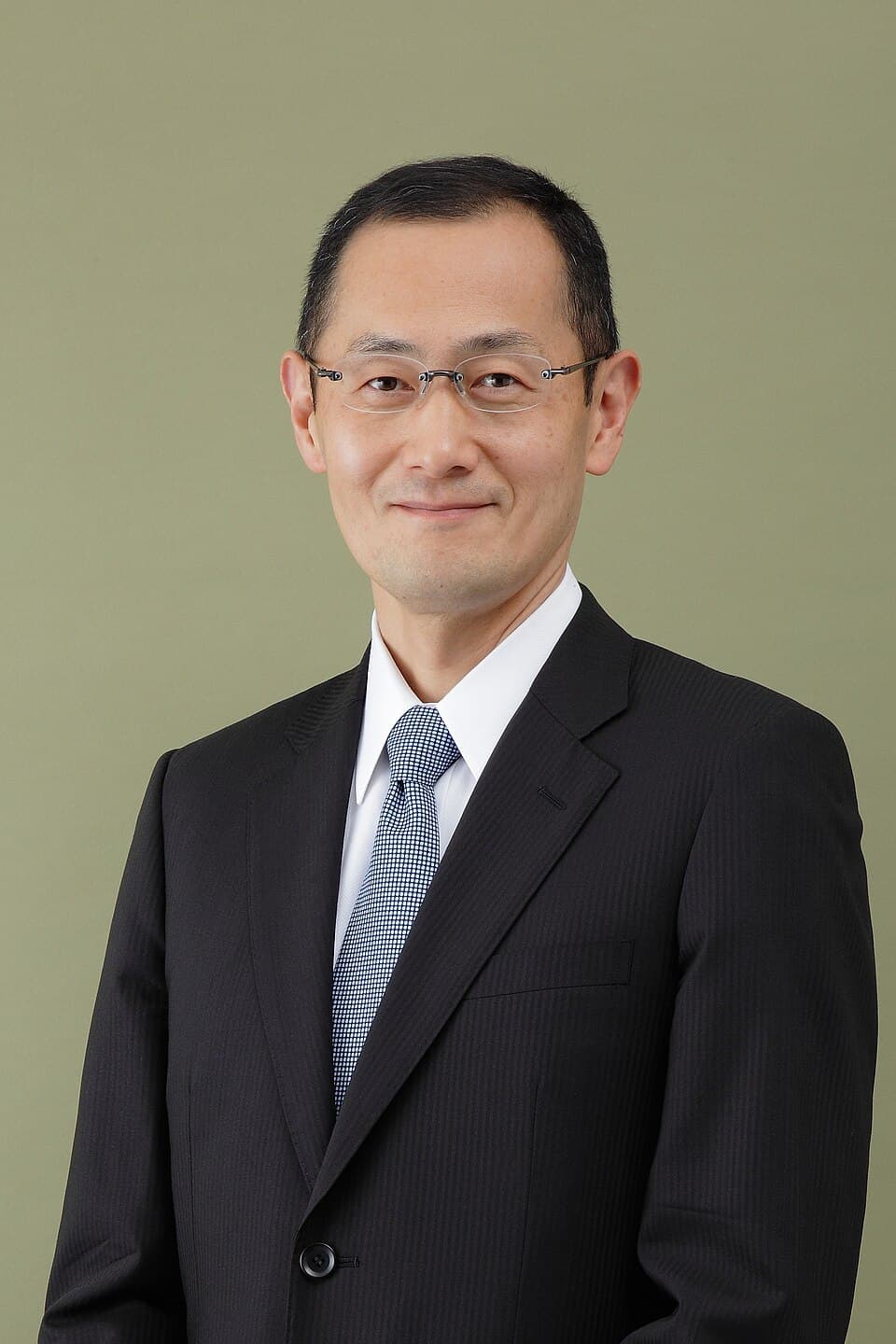
How a failed orthopedic surgeon discovered that just four genes can reprogram adult cells back to an embryonic state, earning a Nobel Prize and opening new frontiers in longevity science.
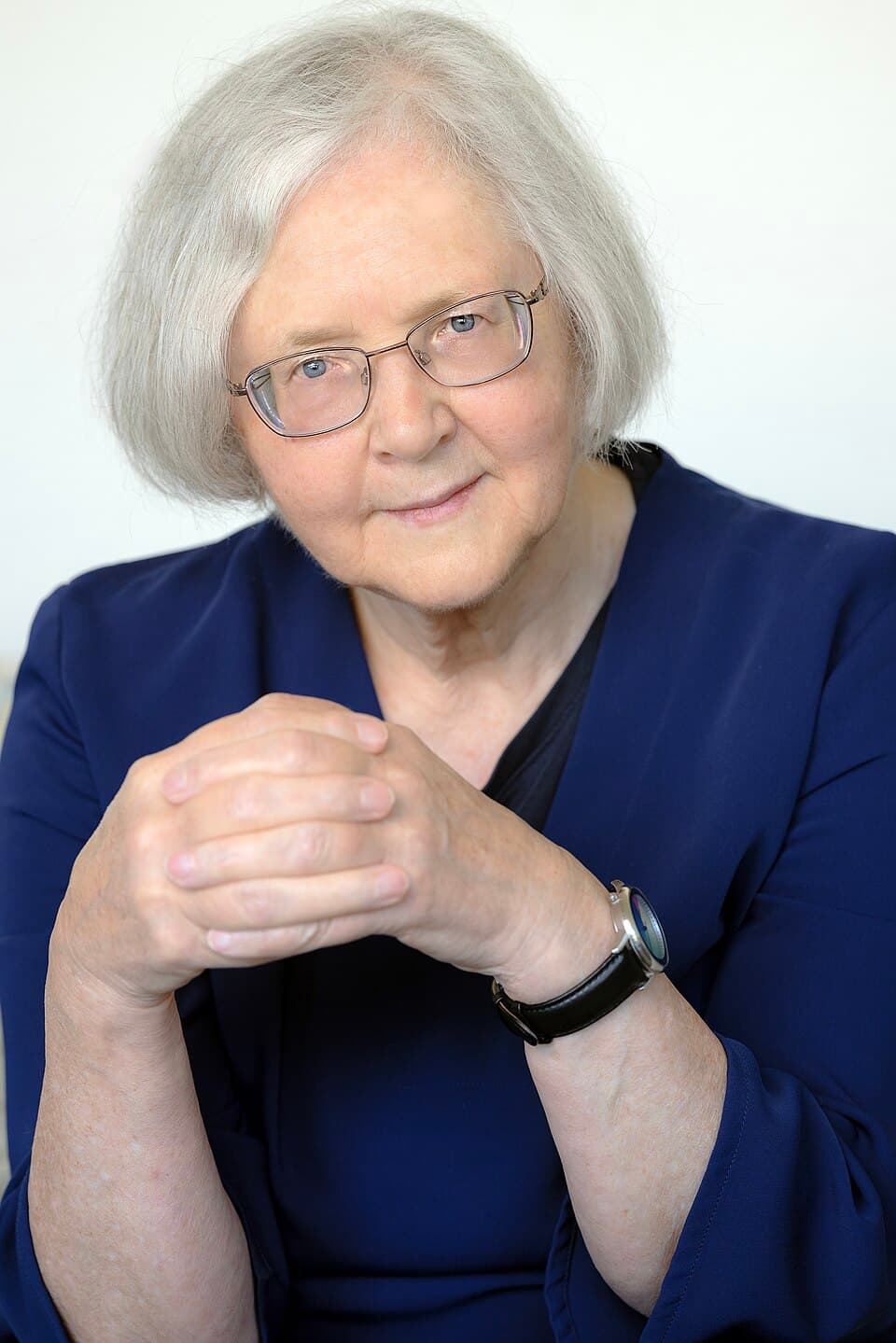
How Elizabeth Blackburn discovered telomeres and telomerase, revealing the molecular clock that governs cellular aging and earning a Nobel Prize.
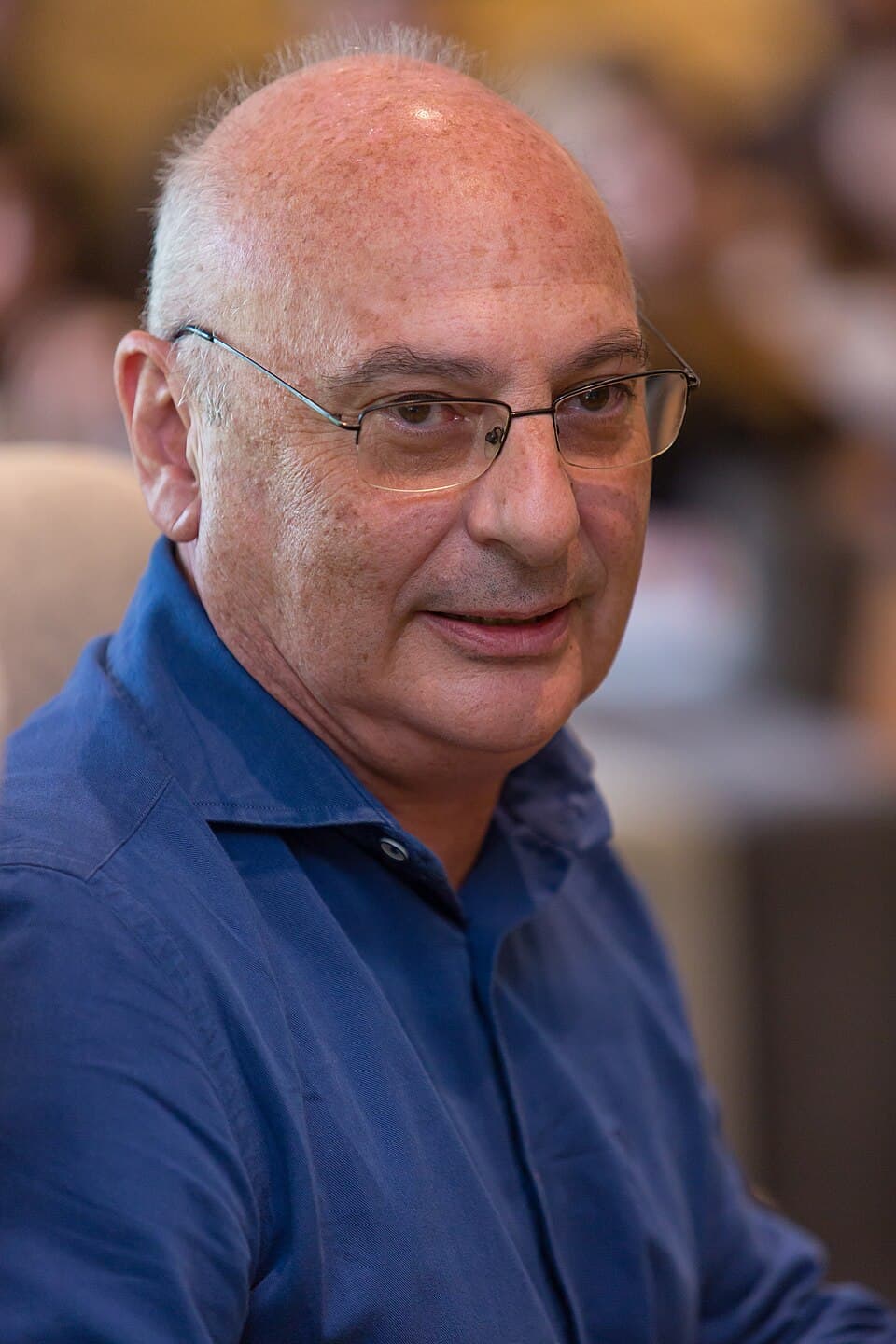
The story of Francisco Mojica, the Spanish microbiologist who first identified CRISPR sequences, named them, and proposed their immune function -- yet was passed over for the Nobel Prize.
The story of Jennifer Doudna -- from her early fascination with RNA to co-inventing CRISPR-Cas9 gene editing, winning the Nobel Prize, and shaping the ethical future of the technology.
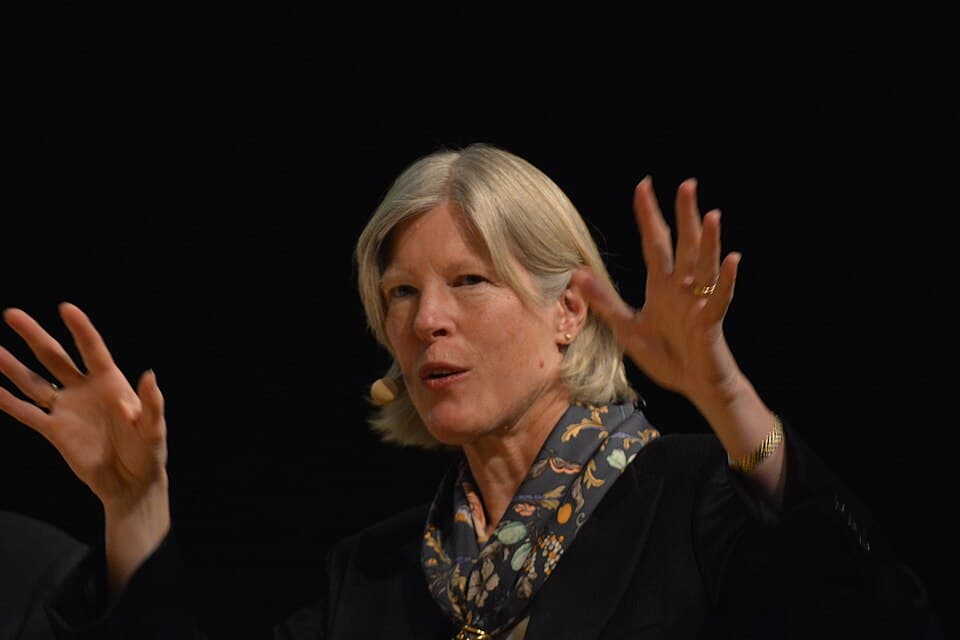
How Cynthia Kenyon's discovery that a single gene mutation could double the lifespan of a worm transformed our understanding of aging from inevitable decline to genetically regulated process.
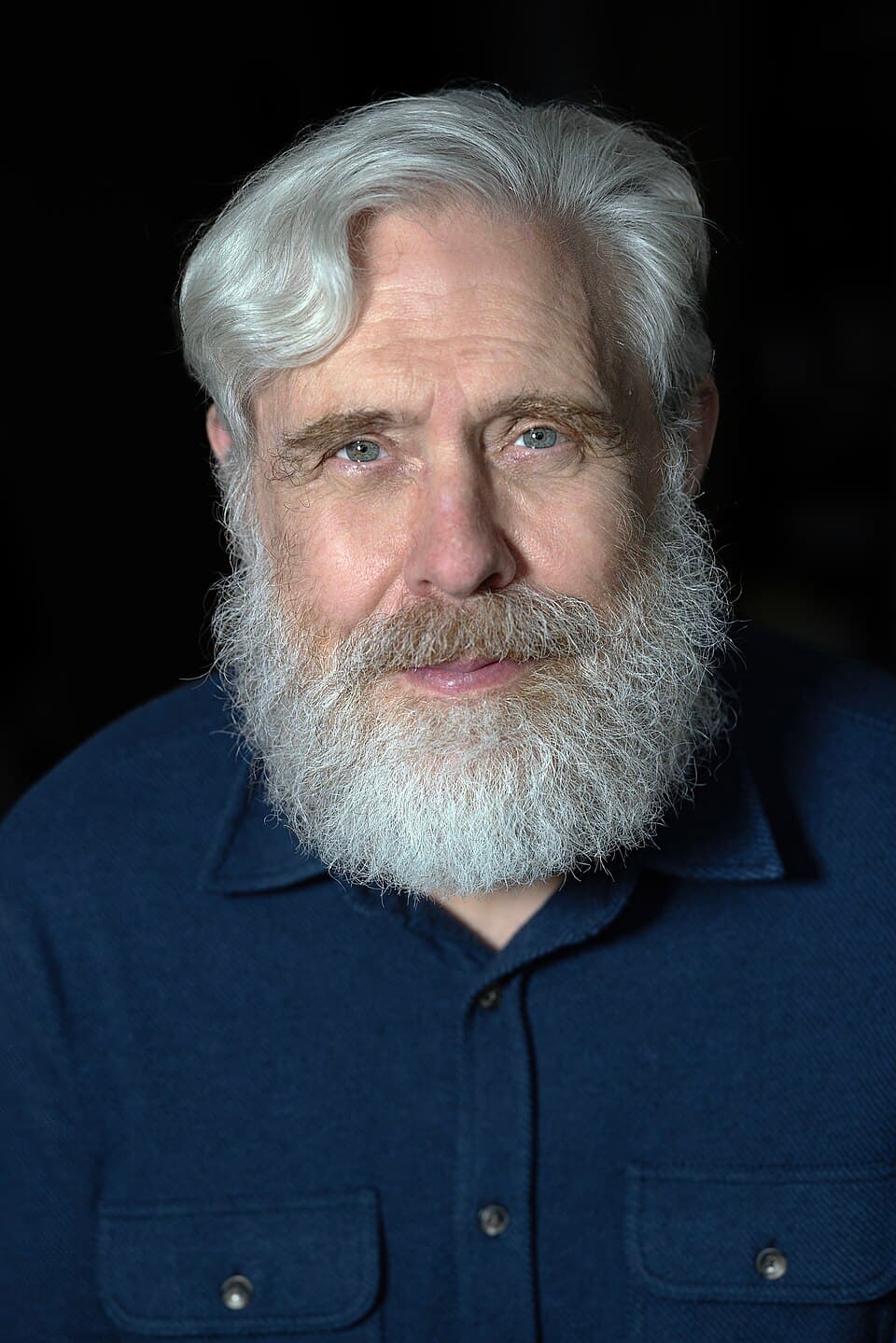
George Church is one of the most influential geneticists alive — a Harvard professor whose work spans from reading the human genome to resurrecting extinct species.
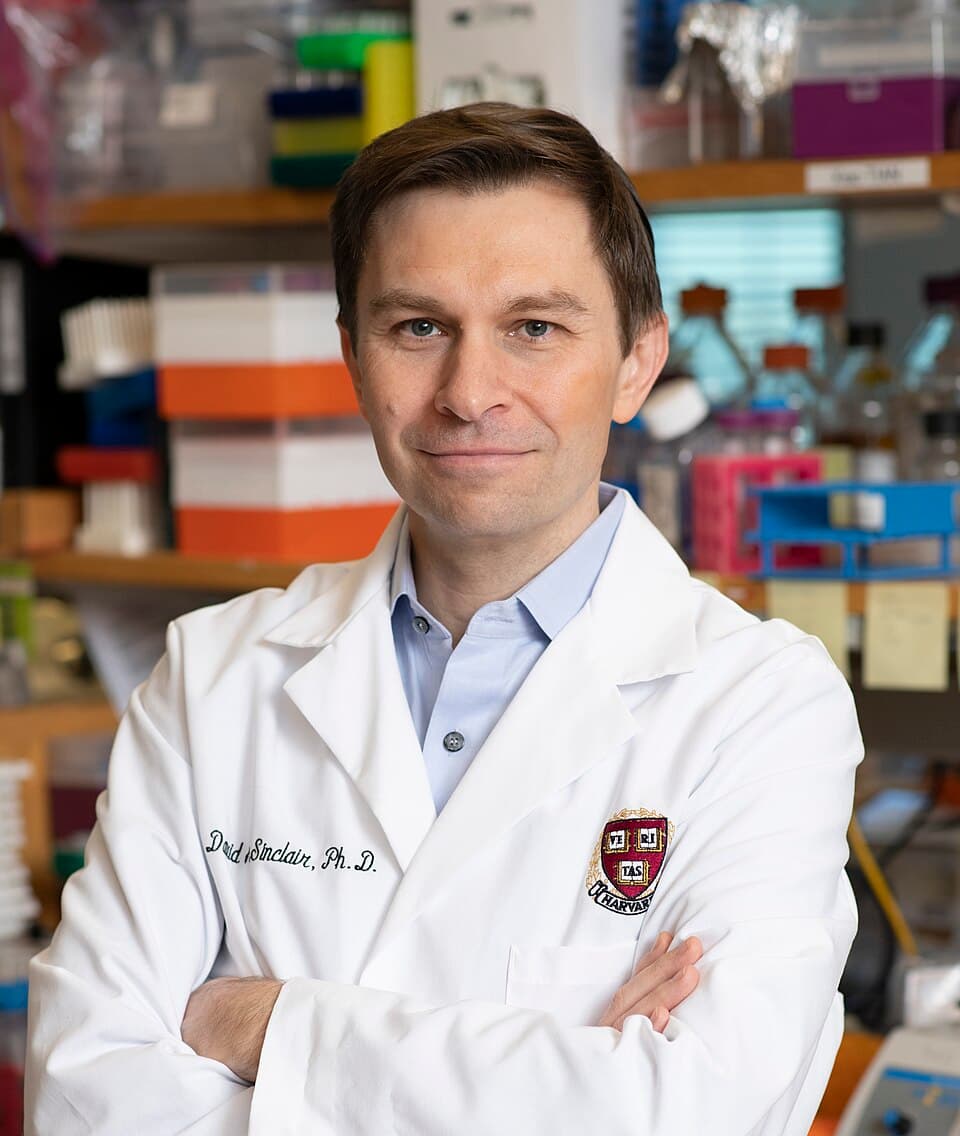
David Sinclair has become the public face of longevity science through his work on sirtuins, NAD+, and epigenetic reprogramming -- and through controversies that have tested his bold claims.
Victoria Gray volunteered to be the first person in the United States treated with CRISPR gene editing, and her story has become a beacon of hope for millions living with sickle cell disease.
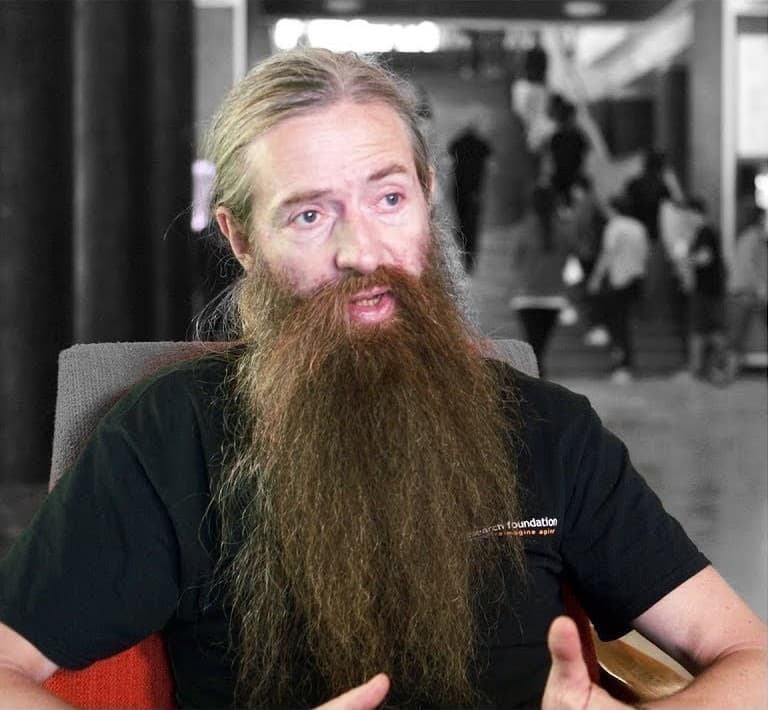
Aubrey de Grey built a global movement to treat aging as a curable disease, popularizing radical ideas about rejuvenation that inspired a generation of longevity researchers -- before personal controversies clouded his legacy.
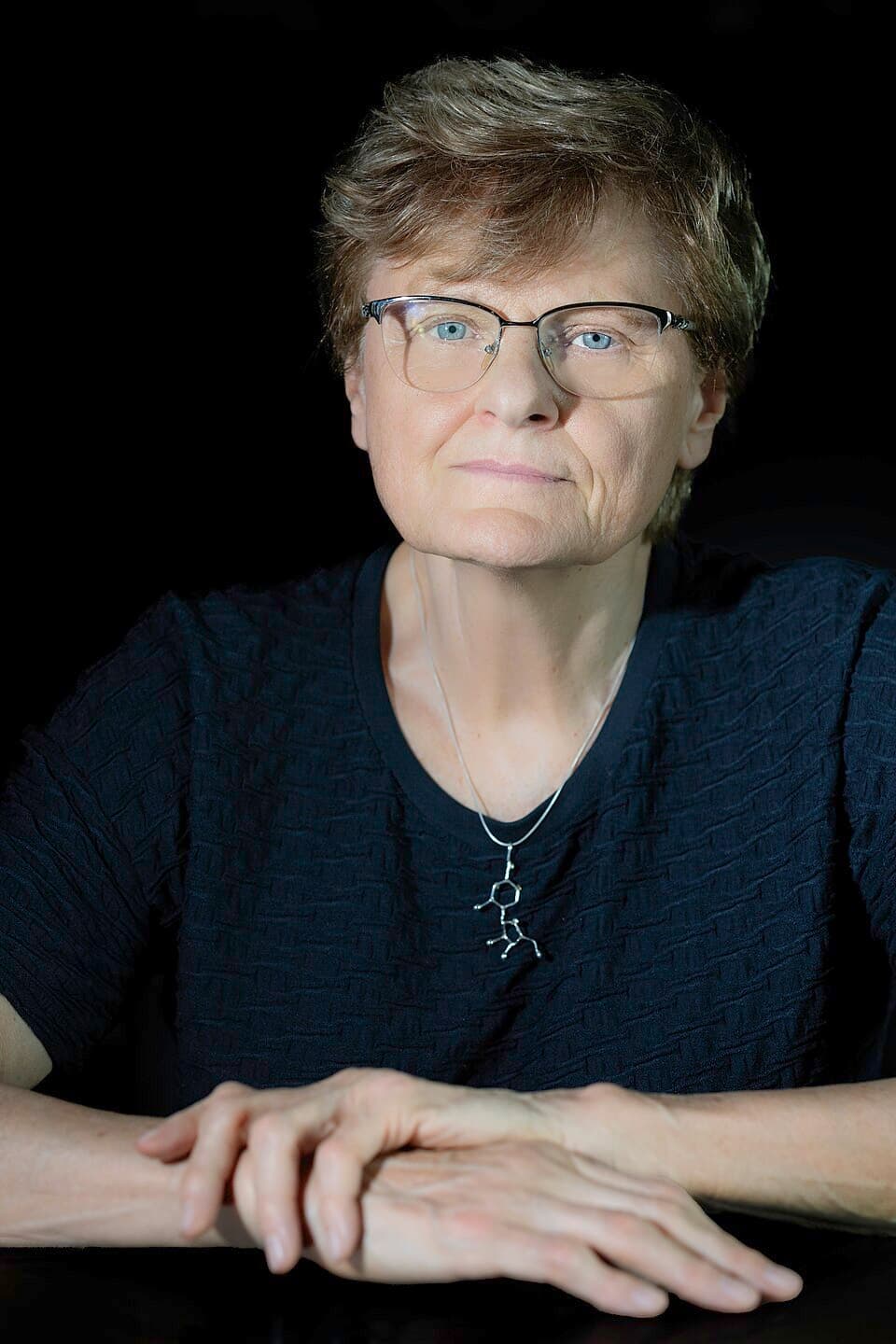
Katalin Kariko spent decades in obscurity pursuing mRNA therapeutics despite repeated rejection and demotion, until her breakthrough enabled COVID-19 vaccines and earned her the 2023 Nobel Prize.
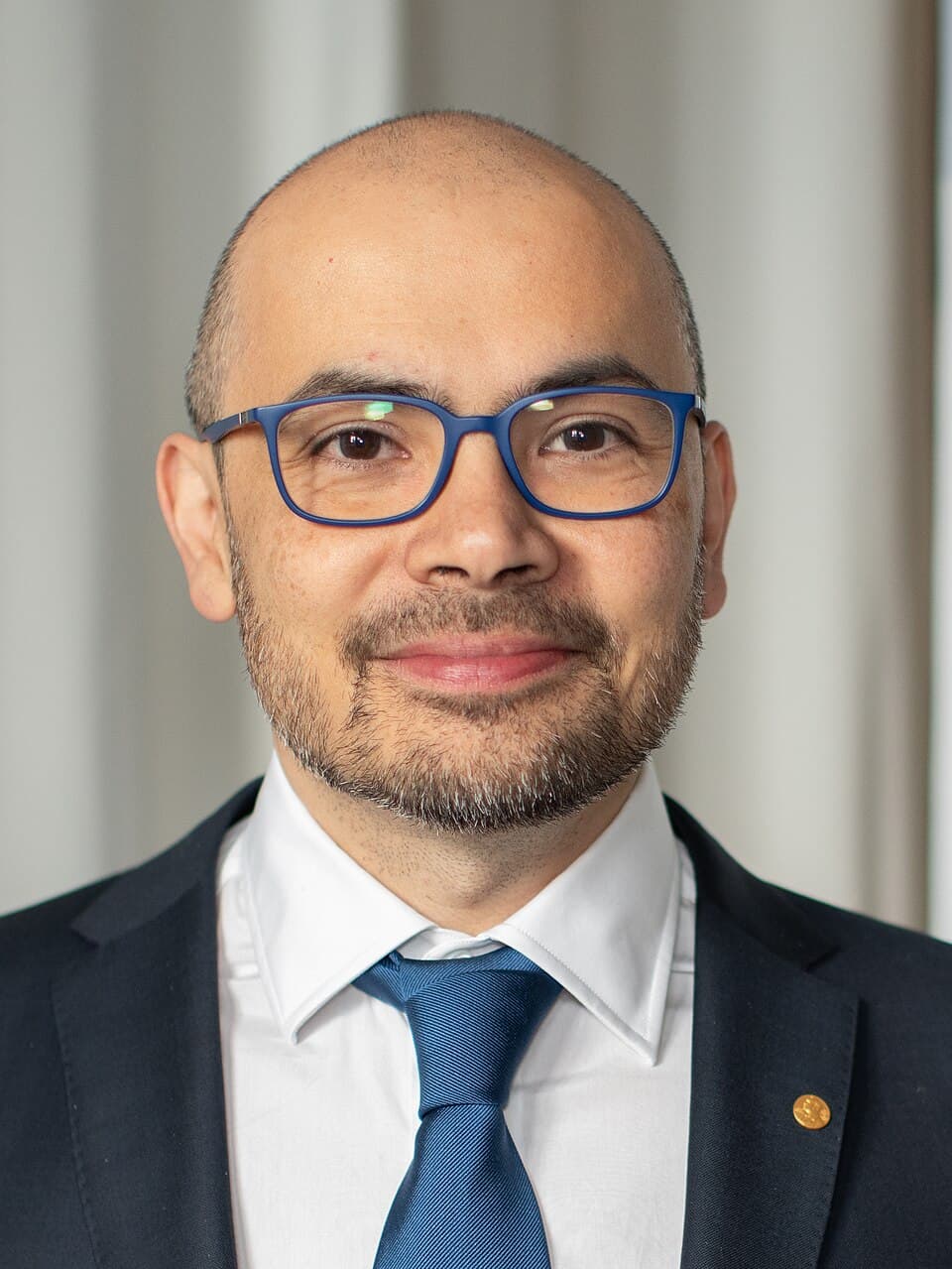
Demis Hassabis built DeepMind and created AlphaFold, the AI that solved protein structure prediction — earning a Nobel Prize and transforming drug discovery and gene editing.
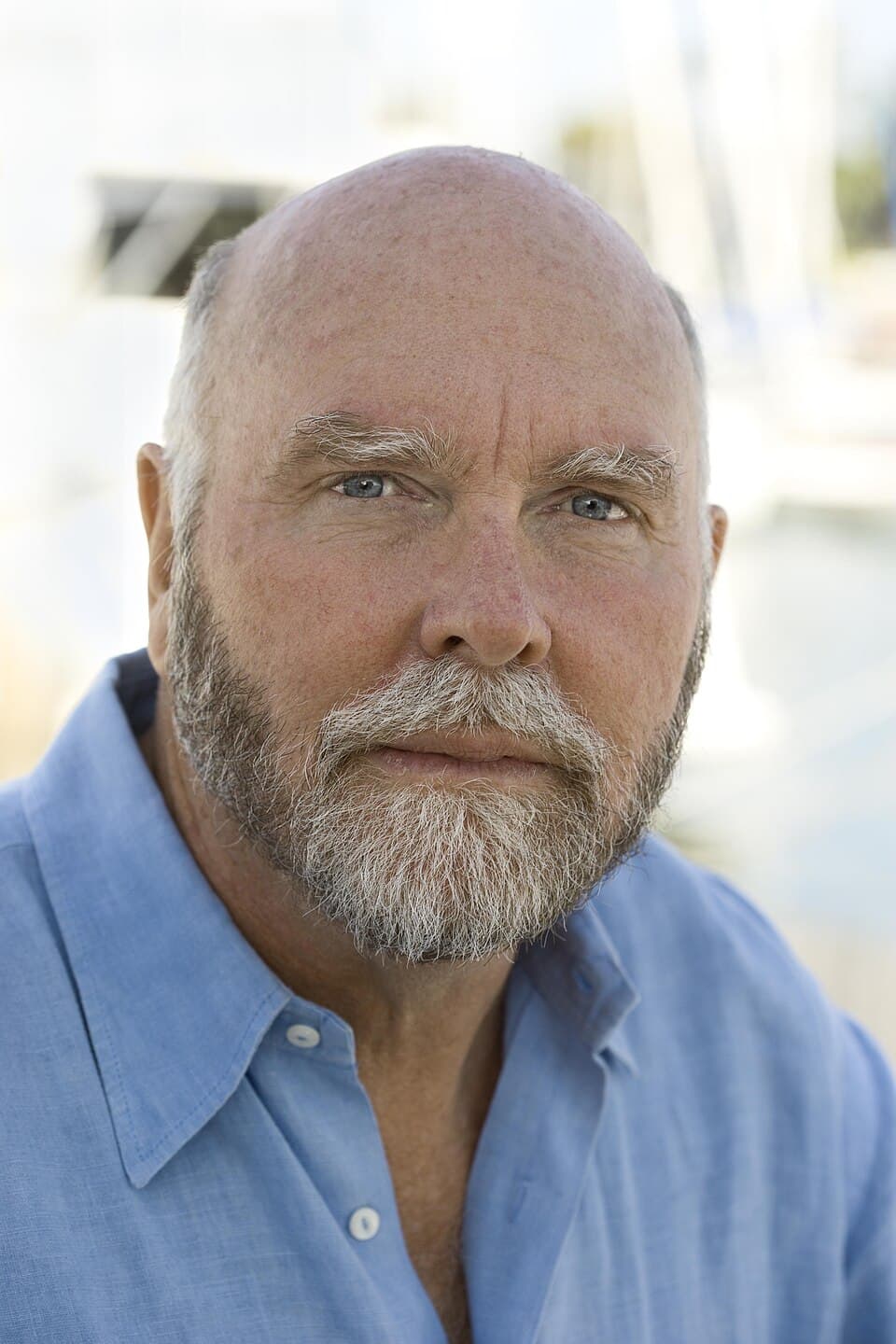
Craig Venter raced the government to sequence the human genome, then created the first synthetic organism — redefining what it means to engineer life.
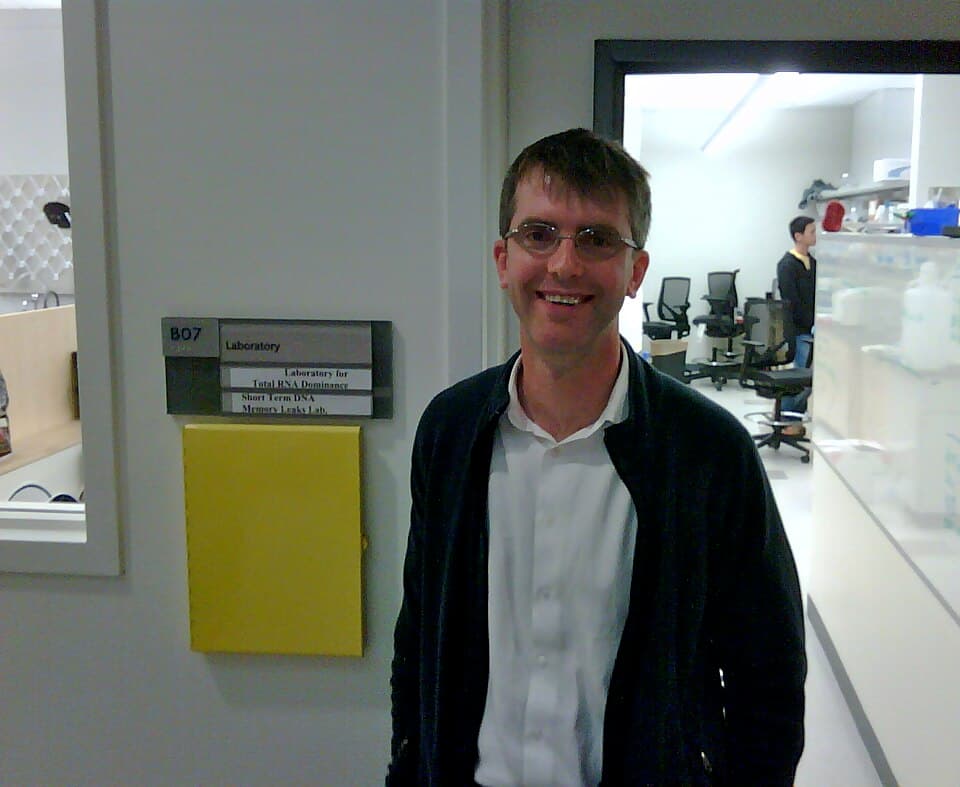
Drew Endy pioneered the idea that biology could be engineered like software — creating BioBricks, co-founding iGEM, and championing open-source biology.
Jason Kelly co-founded Ginkgo Bioworks to be the 'organism company' — building the world's largest platform for programming cells and engineering biology at industrial scale.
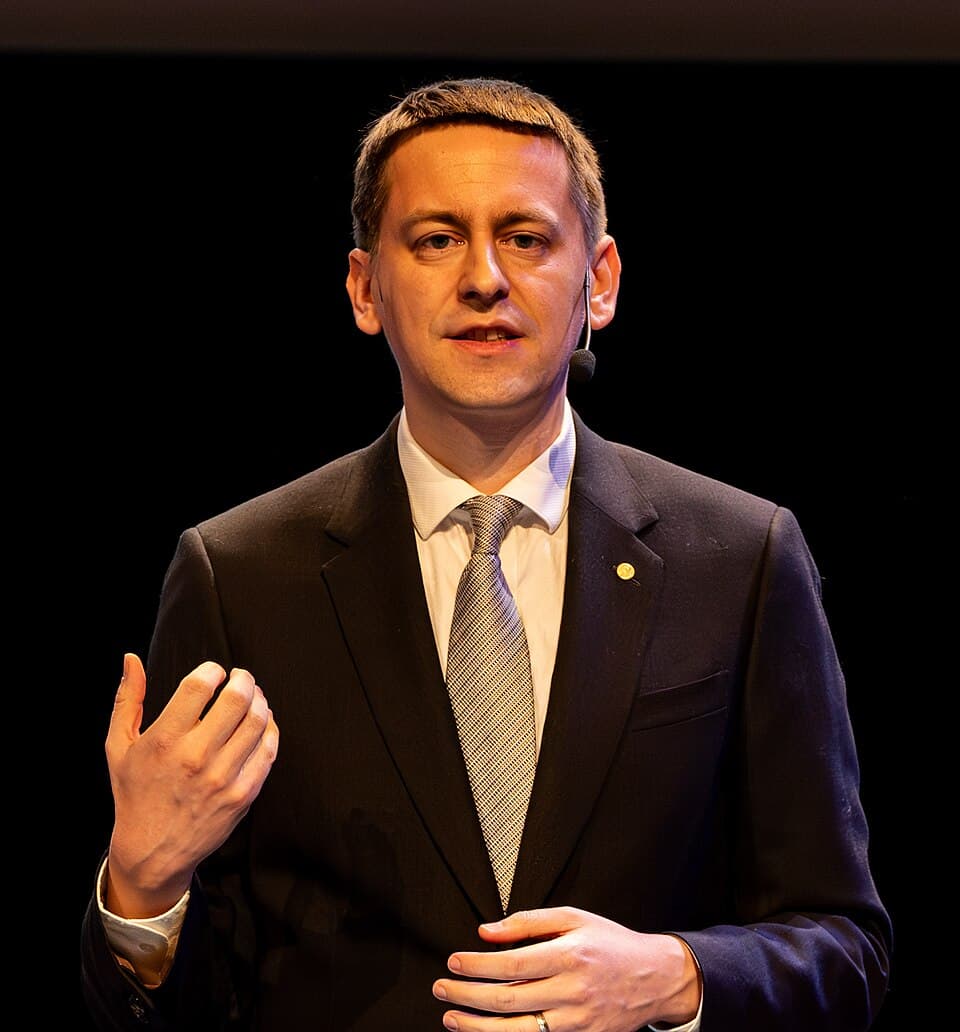
John Jumper led the team that built AlphaFold 2, solving protein structure prediction and earning a Nobel Prize alongside Demis Hassabis.