
Longevity Science
Deep Dive
Alpha-Ketoglutarate and Aging: The Rejuvant Evidence
A rigorous look at alpha-ketoglutarate (AKG) and Rejuvant — the mouse lifespan data, the 8-year biological age claim, and what's actually proven.
Apr 8, 20268 min read
Longevity science investigates the biological mechanisms of aging and develops interventions to extend healthy human lifespan. Organized around the 12 hallmarks of aging, the field encompasses epigenetic reprogramming with Yamanaka factors, senolytic drugs that clear zombie cells, NAD+ boosting strategies, telomere biology, and mTOR pathway modulation with rapamycin. With companies like Altos Labs ($3B+), Life Biosciences (first human trial of epigenetic reprogramming in 2026), and Retro Biosciences pushing clinical boundaries, longevity science is transitioning from theoretical research to human trials.
Using Yamanaka factors to reset the epigenetic clock and reverse cellular aging
Drugs that selectively destroy senescent cells to reduce inflammation and tissue damage
Boosting cellular energy metabolism and DNA repair through NAD+ precursors
Understanding and potentially extending the protective caps on chromosome ends
Measuring biological age through DNA methylation patterns
The 12 interconnected cellular processes that drive aging
Dietary interventions and mimetics that activate longevity pathways
In-depth analysis and expert-level coverage
A rigorous look at alpha-ketoglutarate (AKG) and Rejuvant — the mouse lifespan data, the 8-year biological age claim, and what's actually proven.

Intercellular communication aging explained: how hormonal, neural, and exosomal signaling break down with age — and why this hallmark is the most directly relevant to peptide therapy.
Amycretin is Novo Nordisk's investigational oral GLP-1 + amylin dual agonist. What the Phase 1 data showed and why oral delivery matters.

Autophagy longevity science explained: how the cell's recycling system declines with age and why it is a central target for healthspan interventions.

Blue zones longevity research is part genuine science, part storytelling. Here's what holds up under scrutiny — and what doesn't.
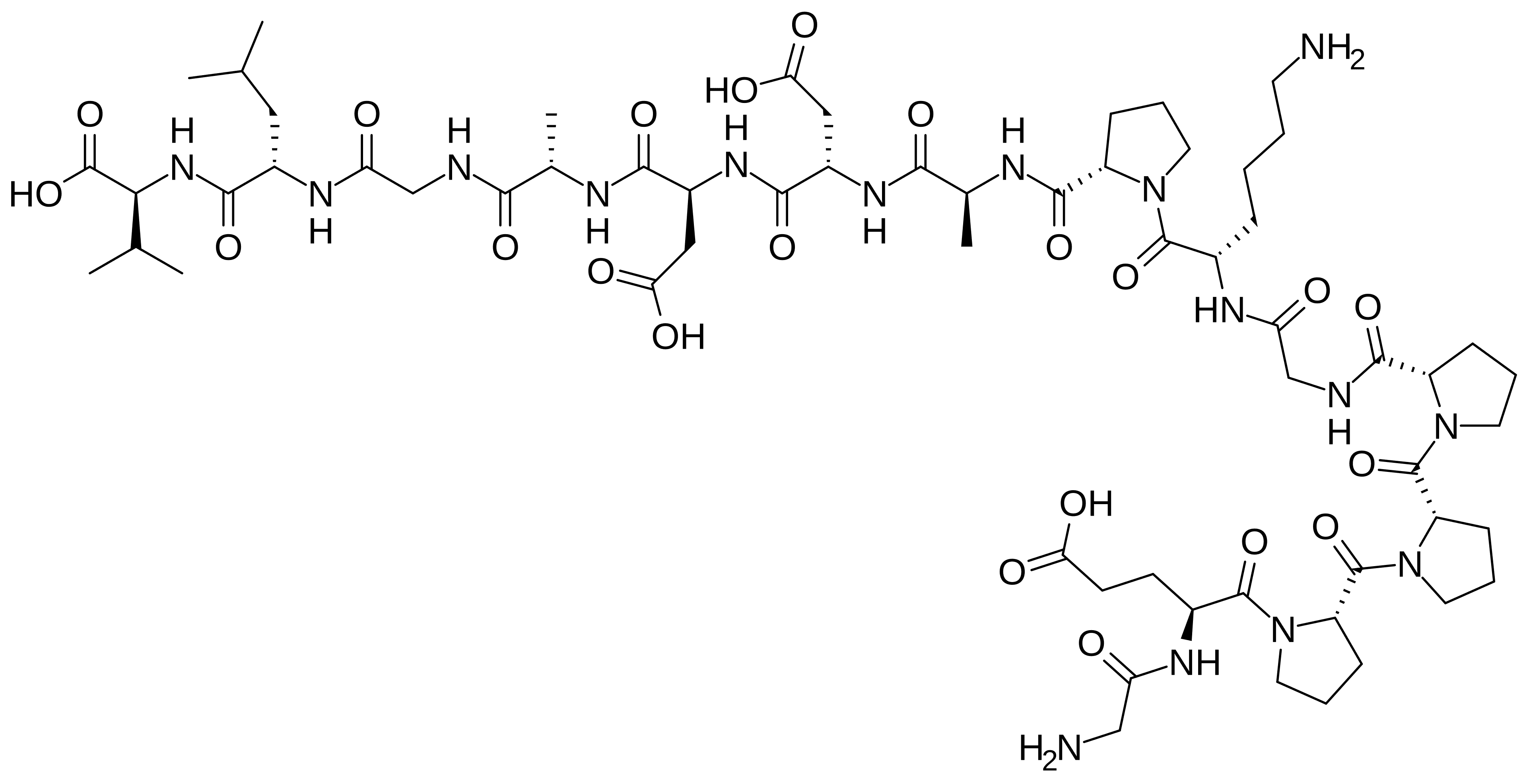
BPC-157 is everywhere in biohacker circles. A rigorous 2026 review of what the peer-reviewed evidence actually shows about this gastric peptide.
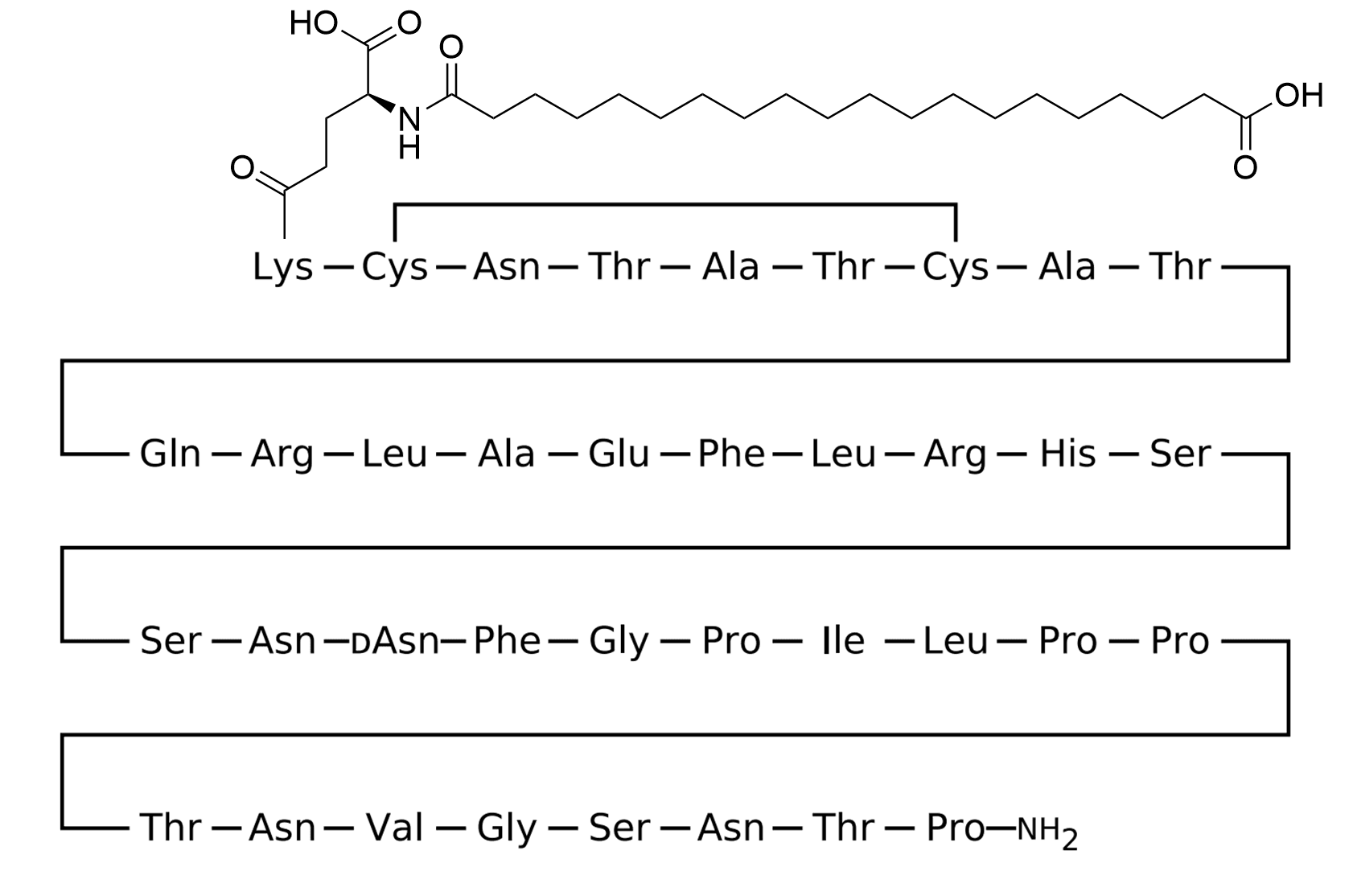
CagriSema is Novo Nordisk's cagrilintide + semaglutide fixed-dose combo for obesity. REDEFINE-1 Phase 3 showed 22.7% weight loss — below internal expectations.

Caloric restriction longevity evidence reviewed: nearly a century of rodent, monkey, and human trials — and an honest assessment of what really works.

Cell penetrating peptides are quietly solving CRISPR's biggest problem — getting the scissors inside the cell. A deep evidence review.

Inflammaging explained: how chronic low-grade inflammation drives aging, the role of NLRP3, SASP, IL-6, and the senolytic and anti-inflammatory drugs targeting it.

CJC-1295 and ipamorelin are the most popular growth hormone peptide stack in biohacker circles. Here is what the evidence actually says.
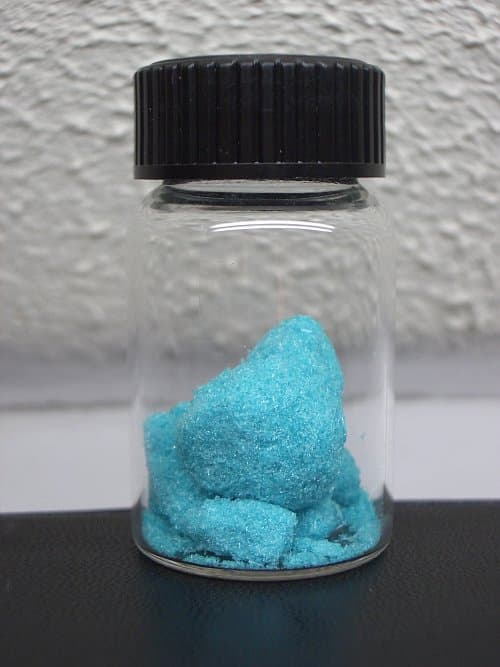
Copper peptides for skin have stronger evidence than most cosmetic actives. Here is how GHK-Cu and AHK-Cu work, what trials show, and which products actually deliver them.

Cyclic peptides explained — how head-to-tail, stapled, and bicyclic designs engineer stability, affinity, and oral bioavailability beyond Lipinski's rule of five.

Nutrient sensing aging explained: how insulin/IGF-1, mTOR, AMPK, and sirtuins drive longevity, and the rapamycin, metformin, and NAD+ evidence behind each pathway.
The 2026 state of epigenetic clocks — Horvath, Hannum, PhenoAge, GrimAge, DunedinPACE — how they're used in longevity trials and their real limits.
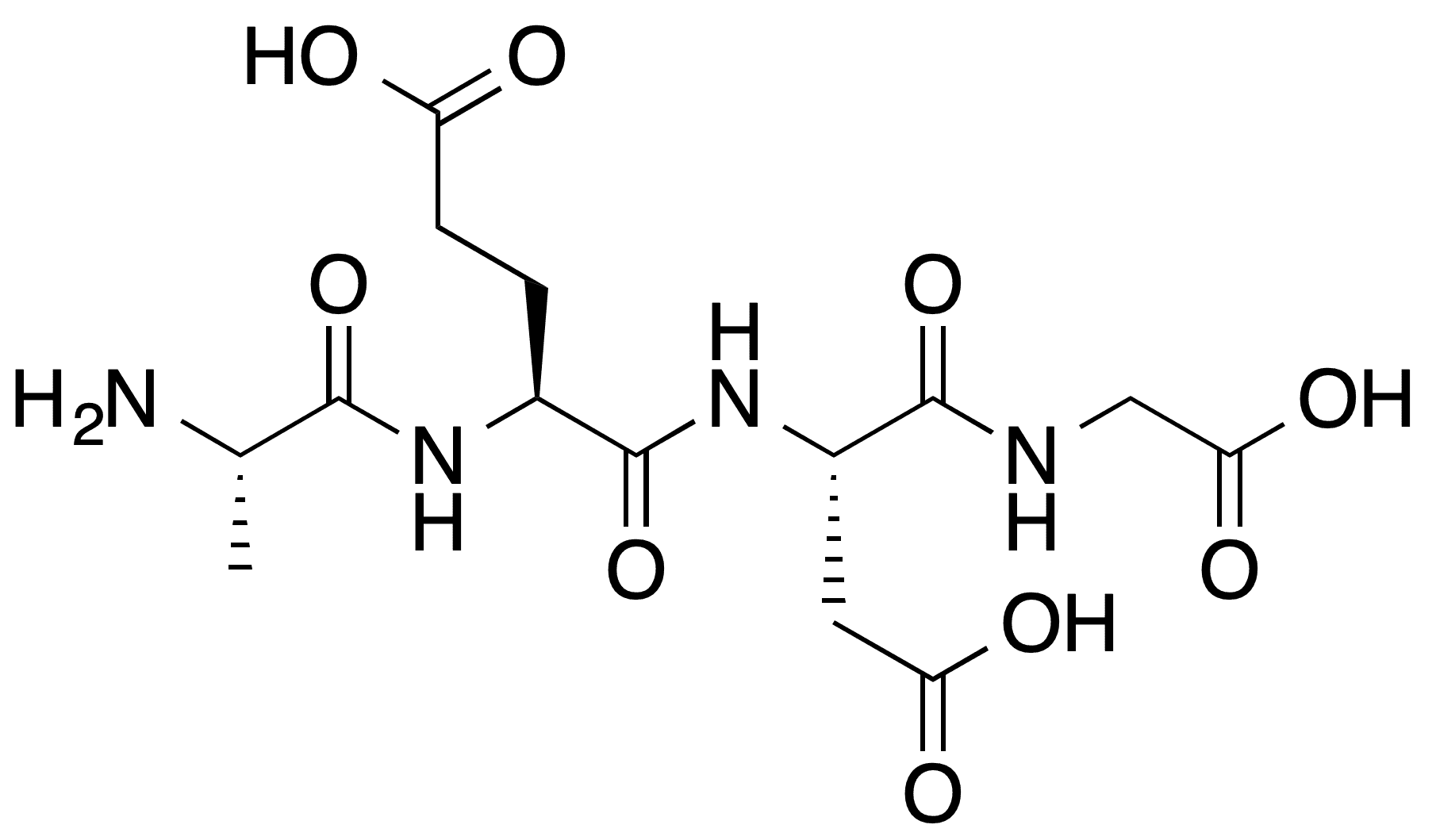
Epitalon is marketed as a telomerase-activating longevity peptide. A rigorous look at what the evidence actually shows — and what it doesn't.

VO2 max longevity evidence is overwhelming. A rigorous look at the data: Cleveland Clinic, Kodama meta-analysis, zone 2, strength training, and dose.
FGF21 aging research shows a liver hormone that mimics fasting and extends mouse lifespan 40%. Here's the science, the trials, and the paradox.
Fisetin senolytic trial results reviewed: Mayo Clinic AFFIRM data, Kirkland's senolytic screen findings, and what 2026 human evidence actually supports so far.
GDF11 aging research sparked hope that a single blood factor could reverse aging — then collapsed into controversy. Here's what's real and what's not.
Genomic instability aging explained: DNA damage accumulation, progeroid syndromes, the ICE mouse, and the CRISPR base editors targeting progerin in clinical trials.
GHK-Cu modulates thousands of genes toward a younger expression profile. What this copper peptide actually does — and what it doesn't.
GlyNAC — glycine plus N-acetylcysteine — aims to restore glutathione in older adults. A rigorous look at the Baylor trials and what they actually show.

Irisin exercise research reveals how a muscle-released peptide drives brown fat activation, bone health, and even cognitive protection. The full story.
Klotho longevity science: Kuro-o's 1997 discovery, Dena Dubal's cognition work, kidney and brain roles, KL-VS variant, and the therapeutic pipeline in 2026.
An honest 2026 review of metformin anti-aging evidence — mechanism, UKPDS, TAME trial, exercise blunting, and who actually benefits.
Mitochondrial dysfunction aging explained: mtDNA mutations, ATP decline, MOTS-c, urolithin A, and the new CRISPR base editors that finally reach mitochondrial DNA.
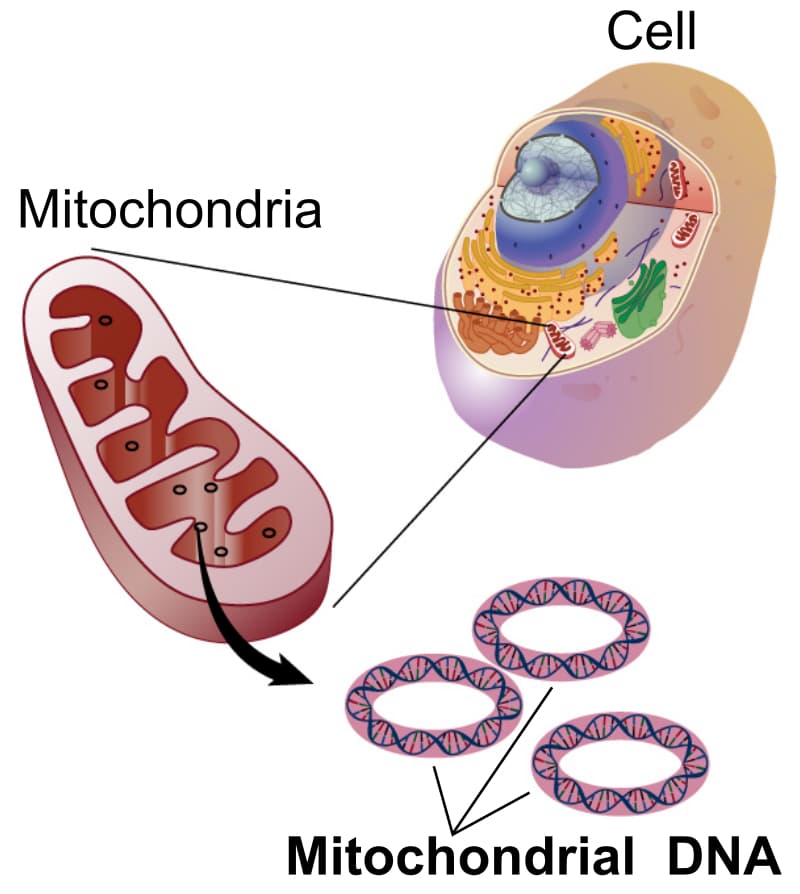
MOTS-c is a 16-amino-acid peptide encoded by mitochondrial DNA, acting as an exercise-mimetic hormone. A rigorous look at the longevity evidence.
Honest 2026 evidence review of NMN NAD precursors — do they raise NAD+, do they work, and what do the human trials actually show?

Orforglipron is Eli Lilly's oral non-peptide GLP-1 agonist — a once-daily pill with no food or water restrictions, delivering ~15% weight loss in Phase 2.

Oxytocin peptide therapy spans labor induction, autism research, and social cognition trials—with a mixed evidence base and a landmark history in peptide chemistry.

Parabiosis plasma dilution research reshaped longevity science. From young blood to saline swaps — the honest story of two decades of work.

Why peptide drug delivery is hard — proteolysis, permeability, half-life — and how lipidation, SNAC, LNPs and microneedles are finally solving the bioavailability problem.

A rigorous review of peptide therapy side effects — from GLP-1 class risks to research-chemical contamination, immunogenicity, and gray-market hazards.

A rigorous look at the most common peptide stacks in longevity and biohacker communities — what they are, what evidence supports them, and what does not.
Proteostasis aging explained: how the heat shock response, ubiquitin-proteasome system, and autophagy fail with age — and which interventions actually restore protein quality control.
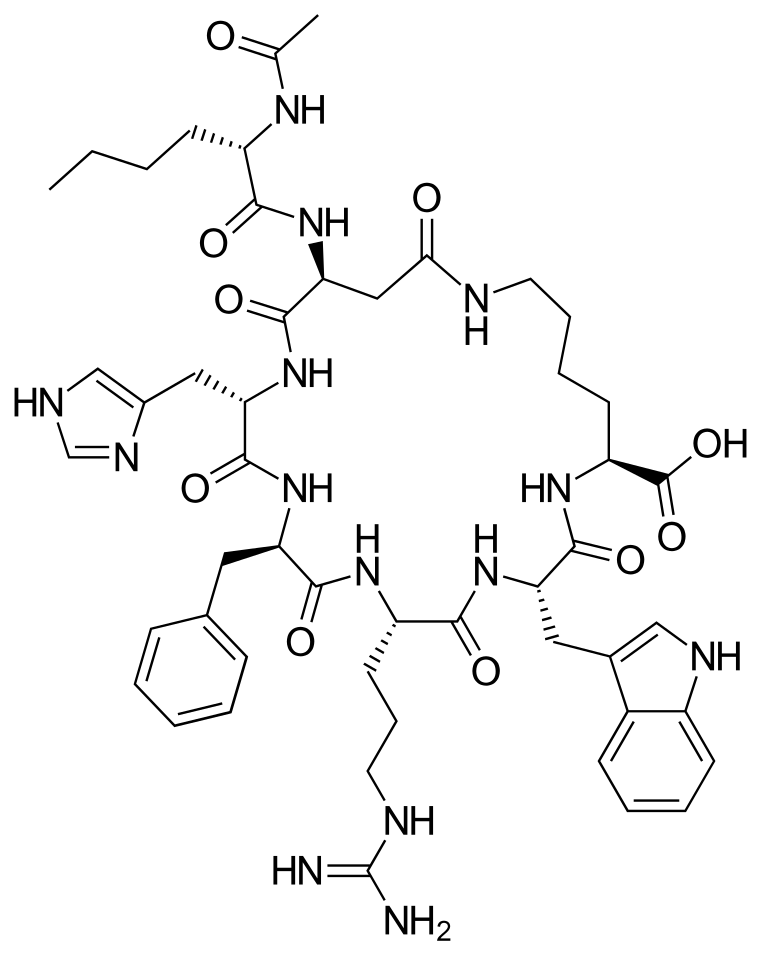
PT-141 (bremelanotide, brand name Vyleesi) is an FDA-approved melanocortin peptide that acts centrally on brain circuits to treat hypoactive sexual desire disorder.
The honest 2026 evidence review for rapamycin longevity — mouse lifespan data, human trials (PEARL, TRIAD, dog trial), dosing, risks.

Retatrutide is Eli Lilly's investigational triple agonist targeting GLP-1, GIP, and glucagon receptors—delivering up to 24% weight loss in Phase 2 trials.

Selank and Semax are Russian nootropic peptides claimed to boost BDNF and reduce anxiety. We examine the evidence, mechanism, and regulatory reality.

A rigorous look at the semaglutide mechanism, tirzepatide's dual GLP-1/GIP agonism, and head-to-head trial data from SUSTAIN, STEP, SURPASS and SURMOUNT-5.
Updated senolytics clinical trials results for 2026: D+Q, fisetin, and UBX-1325 data analyzed. See which trials succeeded, which failed, and what comes next.

Solid phase peptide synthesis explained — Merrifield's Nobel-winning invention, Fmoc vs Boc chemistry, and why SPPS is the bottleneck behind the GLP-1 boom.
Spermidine longevity evidence review: polyamine biology, Madeo lab findings, mouse cardioprotection, human epidemiology, and what supplementation can actually do.
Stem cell exhaustion aging explained: how HSCs, satellite cells, and neural stem cells decline with age, and what parabiosis, Yamanaka reprogramming, and gene therapy can restore.

Survodutide (BI 456906) is a Phase 3 dual GLP-1/glucagon peptide agonist for MASH and obesity. Here is the mechanism, trial data, and pipeline positioning.
Taurine longevity explained — the Singh/Yadav 2023 Science paper, cross-species lifespan data, human correlations, and why one huge study is not replication.
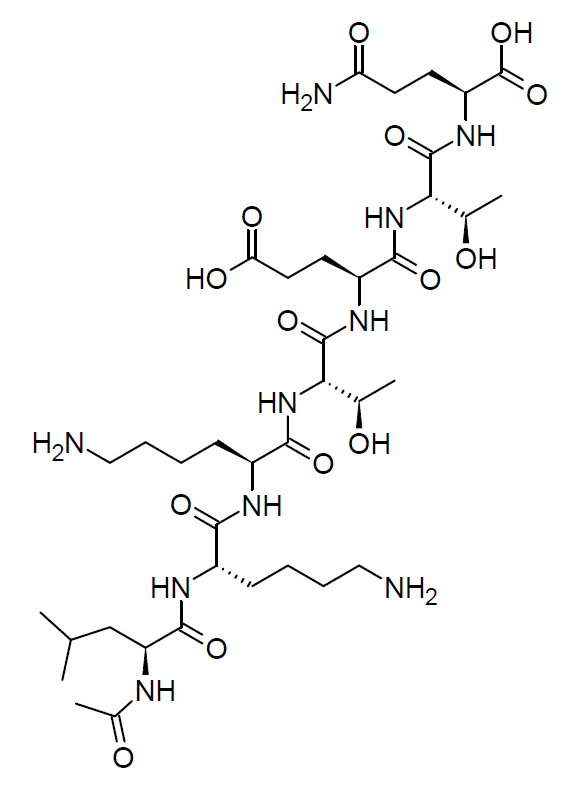
TB-500 is marketed as a synthetic thymosin beta-4 for tissue healing. The real story is more complicated, and the human evidence is thinner than advertised.

Tesamorelin is an FDA-approved GHRH analog for HIV lipodystrophy that gained longevity attention after the TRIIM trial reported epigenetic age reversal.
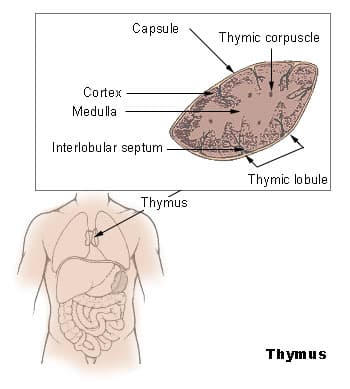
Thymosin alpha 1 (Zadaxin) is approved in 30+ countries but not the US. Here is the mechanism, hepatitis and COVID trial data, and FDA 503A status.
Urolithin A mitophagy explained — how pomegranate metabolites and Mitopure target mitochondrial cleanup, the Andreux and Singh trials, and the 40% problem.
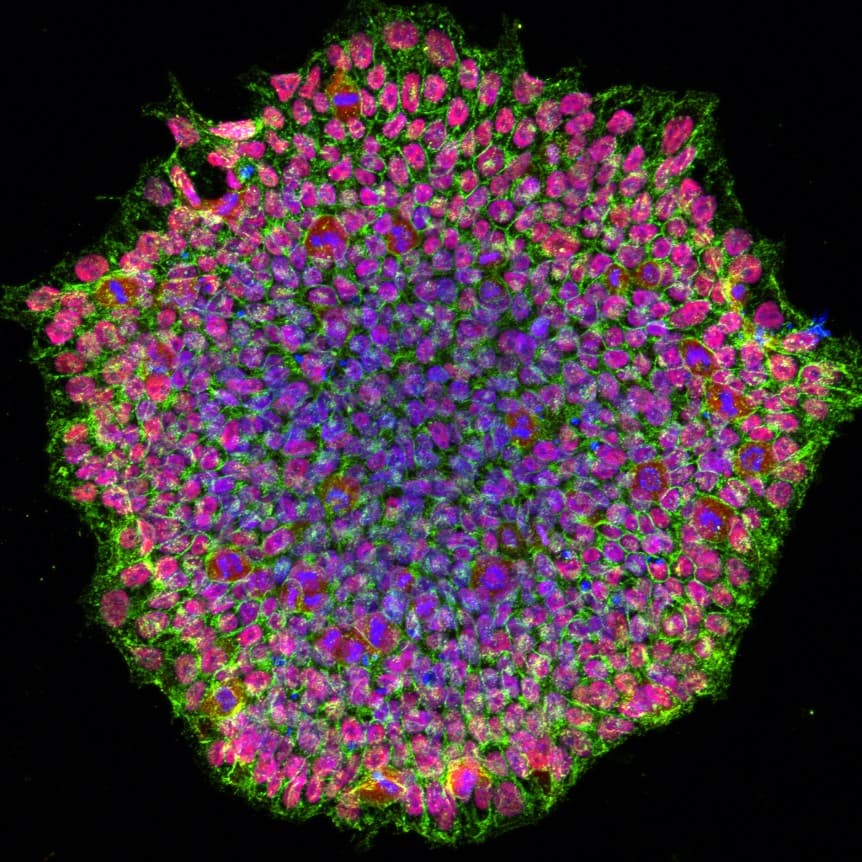
Yamanaka factors peptide delivery — why protein-based reprogramming with cell-penetrating peptides may be the safest path to clinical partial reprogramming for aging.

Epigenetic reprogramming uses Yamanaka factors to wind back the biological clock of aged cells, offering one of the most promising paths to reversing aging itself.
Life Biosciences launched the first-ever human trial of epigenetic reprogramming in January 2026 — an AAV gene therapy that uses three Yamanaka factors to reverse aging in the eye. Here's the full story of the company, its science, and what it means for the future of longevity medicine.
Senolytics destroy aged zombie cells driving disease and aging. Learn how D+Q, fisetin, and gene therapies work, plus 2026 clinical trial status and progress.

Gene therapy is moving beyond treating rare diseases to targeting aging itself, with AAV-delivered rejuvenation genes showing dramatic results in animal models and the first human experiments already underway.
Scientists are using Yamanaka factors and partial reprogramming to reverse cellular aging without erasing cell identity. Here is the science, the companies, and the unanswered questions.
Accessible introductions for newcomers
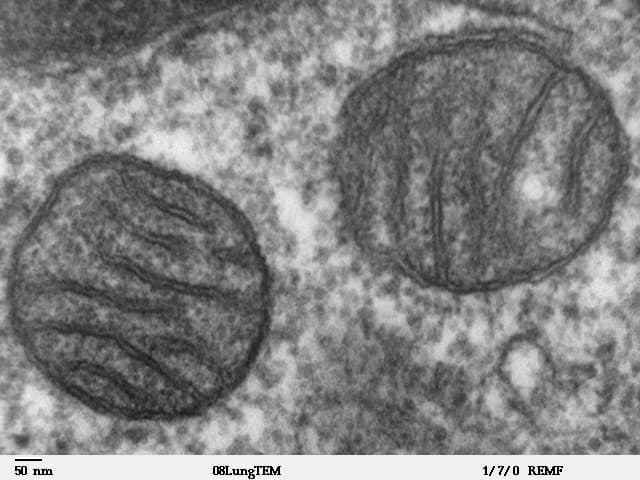
MOTS-c is a 16-amino-acid peptide encoded by mitochondrial DNA that activates the same metabolic pathways as exercise. Here's what the science says about the so-called 'exercise in a bottle.'

GHK-Cu is a naturally occurring copper peptide that declines with age and plays a role in wound healing, collagen synthesis, and gene expression. Here is what the science actually supports — and where the hype runs ahead of the evidence.

What are senolytics? Do they actually work? Are they safe? A 2026 FAQ answering the most common questions about senolytic drugs and zombie cell clearance.
The 12 hallmarks of aging provide a scientific framework for understanding why we age and where interventions might slow or reverse the process.

Telomeres — the protective caps on your chromosomes — shorten with every cell division, acting as a biological countdown clock that shapes aging, cancer, and the limits of cellular life.

Your birthday tells you your chronological age. Epigenetic clocks reveal your biological age — and why the difference matters for longevity science.
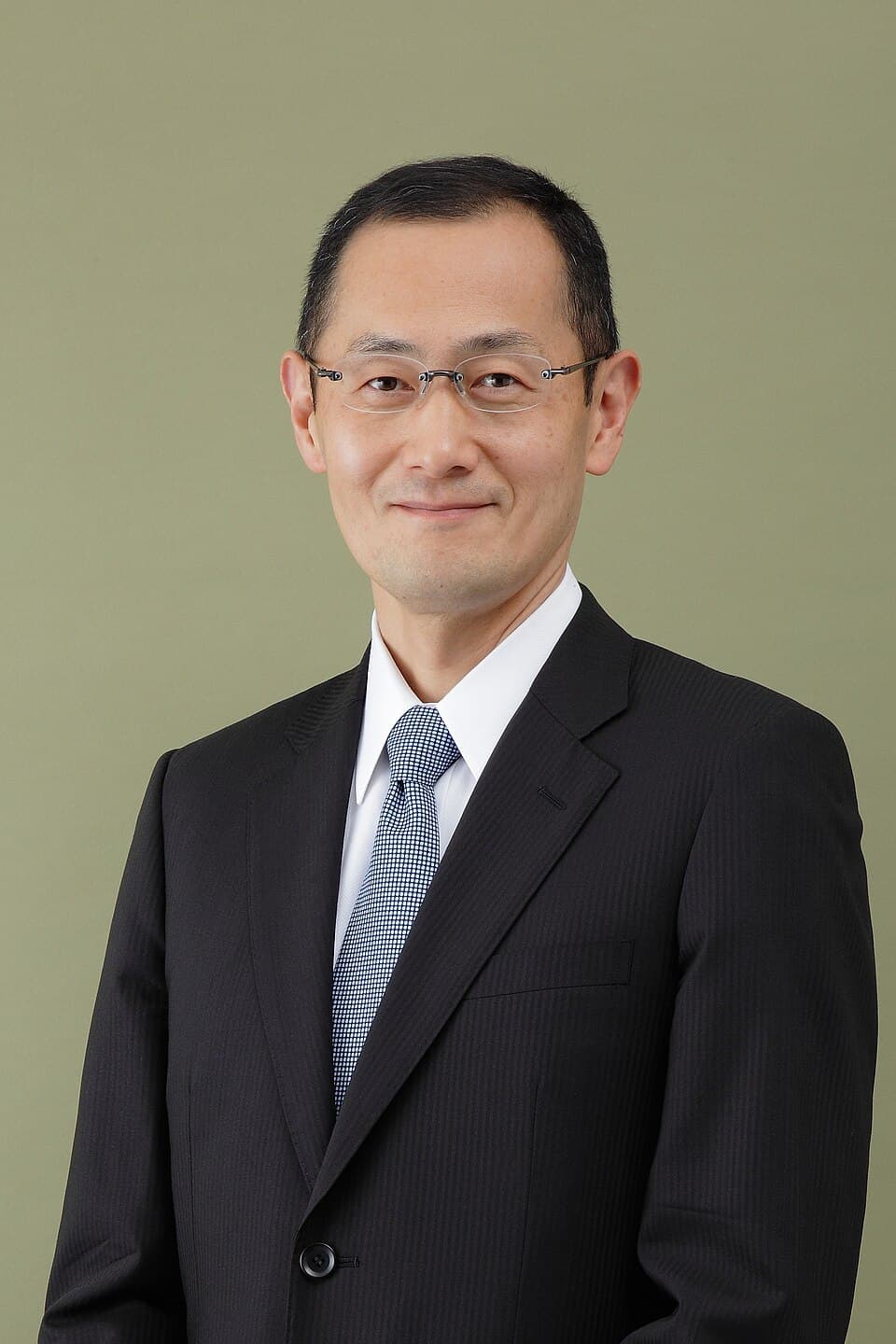
How a failed orthopedic surgeon discovered that just four genes can reprogram adult cells back to an embryonic state, earning a Nobel Prize and opening new frontiers in longevity science.

How Elizabeth Blackburn discovered telomeres and telomerase, revealing the molecular clock that governs cellular aging and earning a Nobel Prize.
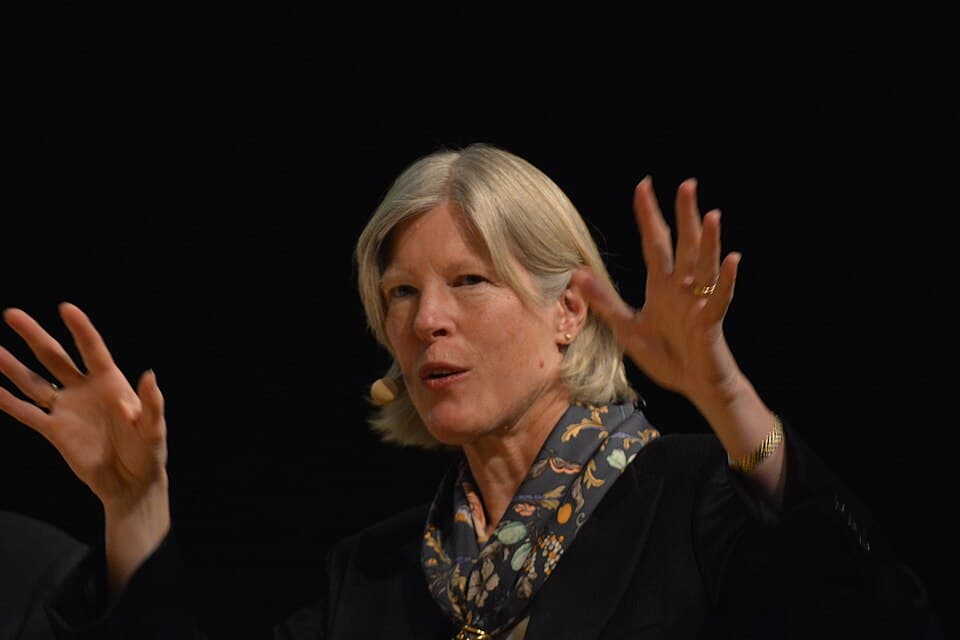
How Cynthia Kenyon's discovery that a single gene mutation could double the lifespan of a worm transformed our understanding of aging from inevitable decline to genetically regulated process.
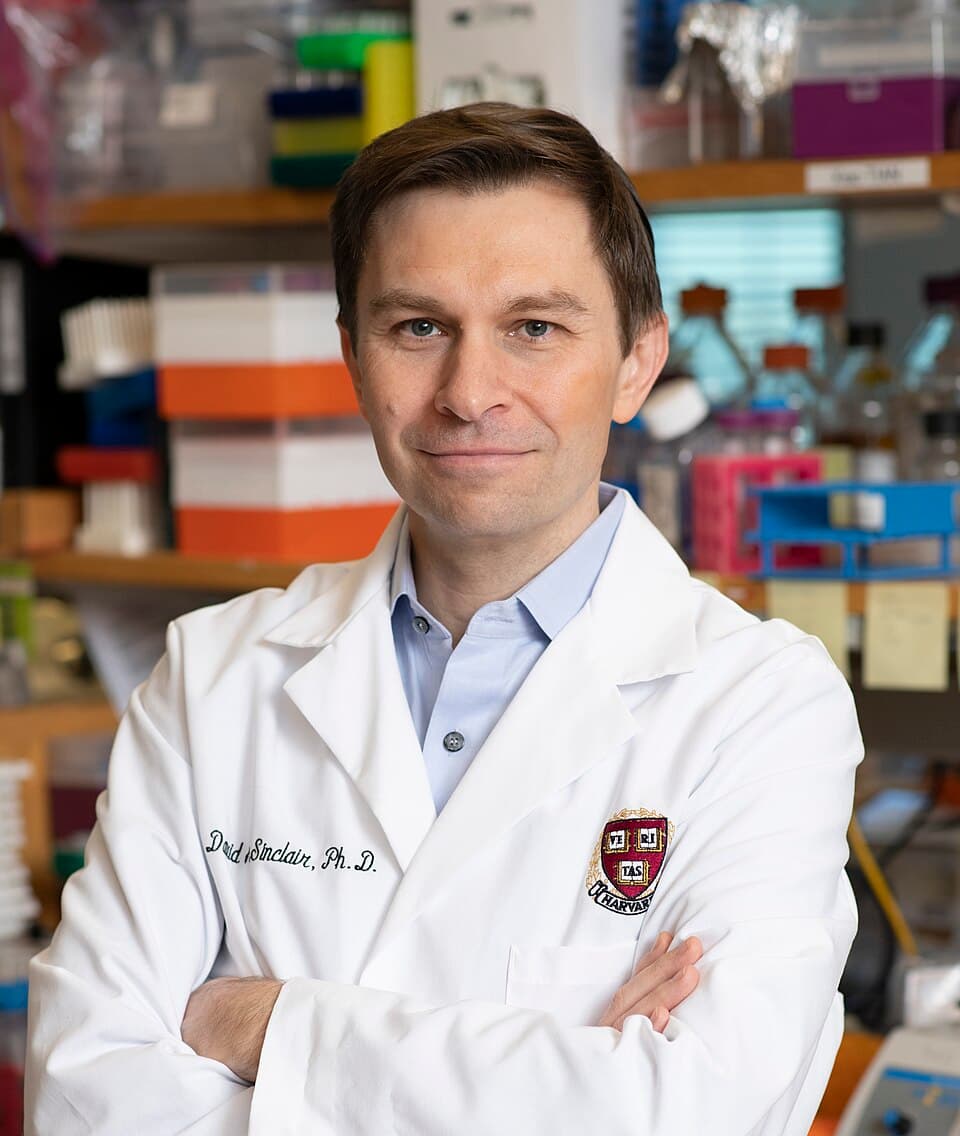
David Sinclair has become the public face of longevity science through his work on sirtuins, NAD+, and epigenetic reprogramming -- and through controversies that have tested his bold claims.

Aubrey de Grey built a global movement to treat aging as a curable disease, popularizing radical ideas about rejuvenation that inspired a generation of longevity researchers -- before personal controversies clouded his legacy.

Blue Zones, Mediterranean diet, caloric restriction, intermittent fasting — what does the research actually show about eating for a longer life? Here's the evidence, minus the hype.
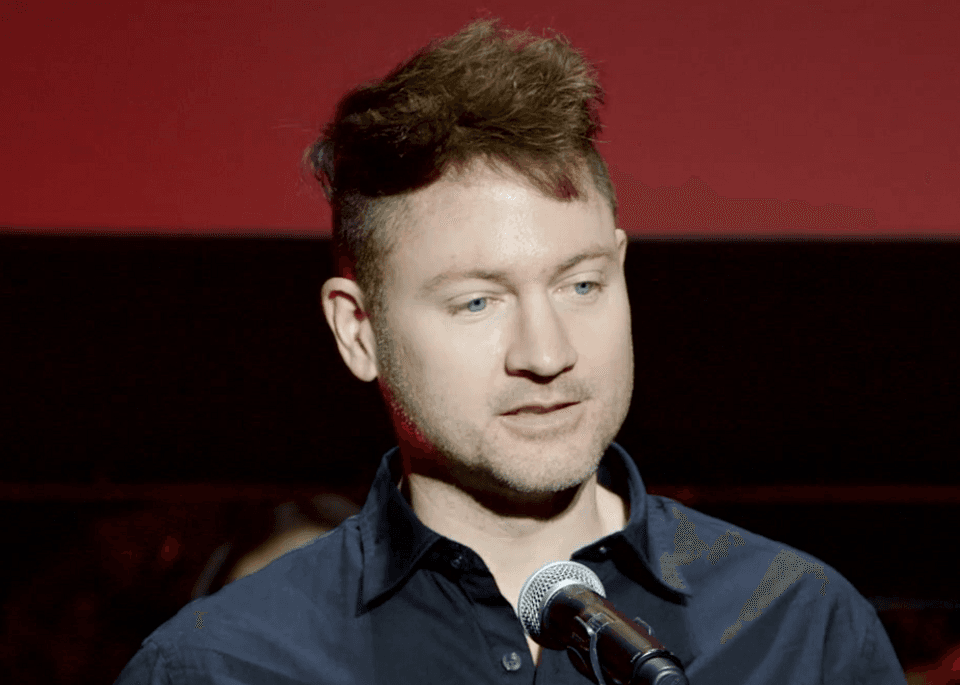
Bryan Johnson's Blueprint protocol costs $2M/year with 100+ supplements and experimental treatments. We break down what the science actually supports in 2026.

NAD+ levels decline with age, and NMN supplements promise to reverse it. But does the science hold up? Here's an honest, evidence-based look at what we know — and what we don't.

Your blood tells a story about how fast you're aging. From hsCRP to HbA1c to GlycanAge, here are the key biomarkers longevity researchers actually track — and what you can do about them.
You might be 45 years old but biologically 38 — or 52. Biological age measures how fast your body is actually aging, and it can be changed. Here's how to measure and improve yours.
Company analysis, trends, and investment insights

The longevity peptide startups worth watching in 2026: BioAge, Rejuvenate Bio, Life Biosciences, Loyal, New Limit. Honest risks and realistic expectations.

From billion-dollar reprogramming ventures to canine longevity drugs, here are the biotech companies leading the charge against aging in 2026.
Understand why we age and the science behind extending healthy lifespan — from hallmarks of aging to cutting-edge interventions.
5 lessons · ~38 minThe cutting edge of longevity science — how scientists are resetting the epigenetic clock to reverse aging in cells, mice, and now humans.
5 lessons · ~40 minAdvanced glycation end-products — covalently modified proteins or lipids damaged by glycation. AGEs accumulate with age, crosslink collagen, and drive diabetic complications. Measured as a biomarker in some aging studies.
AMP-activated protein kinase — the cellular energy sensor activated when ATP is low. AMPK activation mimics caloric restriction, inhibits mTOR, and induces autophagy. Metformin and MOTS-c both activate AMPK.
The cell's recycling system — a process that breaks down and removes damaged proteins and organelles. Declines with age. Stimulated by fasting, exercise, and mTOR inhibition, and believed to be important for healthy aging.
The cellular 'self-eating' recycling pathway that clears damaged proteins, organelles, and aggregates. Autophagy declines with age and is activated by caloric restriction, rapamycin, and spermidine. Central to proteostasis and longevity research.
A measure of how old your body actually is at a molecular level, as opposed to chronological age (years since birth). Estimated using biomarkers like DNA methylation patterns, and can be older or younger than chronological age.
Comprehensive Assessment of Long-term Effects of Reducing Intake of Energy — the landmark 2023 NIH caloric restriction trial showing that a 12% reduction in calories over 2 years slowed biological aging in non-obese healthy adults.
A compound that produces the metabolic and longevity effects of caloric restriction without requiring reduced food intake. Examples include rapamycin, metformin, spermidine, and resveratrol.
A state of permanent cell cycle arrest in which cells stop dividing but remain metabolically active, often secreting inflammatory factors (SASP). Accumulation of senescent cells is a hallmark of aging and the target of senolytic drugs.
A molecular test that estimates biological age by measuring DNA methylation patterns at specific sites across the genome. Developed by Steve Horvath and others. Used to measure the effect of anti-aging interventions.
The study of changes in gene expression that don't involve changes to the DNA sequence itself. Epigenetic modifications (like DNA methylation) can be inherited and are linked to aging.
Fibroblast growth factor 21 — a liver-derived hormone that mimics caloric restriction, activates AMPK, and improves metabolic health. FGF21 analogs are in clinical trials for NASH and obesity.
Growth differentiation factor 11 — a TGF-β family member identified in Wyss-Coray and Wagers lab parabiosis experiments as a potential 'young blood' rejuvenating factor. Subsequent research has been controversial, with some findings not replicating.
The non-enzymatic reaction of sugars (like glucose) with proteins, lipids, or nucleic acids, forming advanced glycation end-products (AGEs). Accumulated AGEs damage tissues and drive aging, especially in diabetes.
A framework introduced by López-Otín et al. in 2013 Cell paper (updated 2023) identifying 9–12 interconnected cellular and molecular processes that together drive aging, including mitochondrial dysfunction, genomic instability, and cellular senescence.
The maximum number of times a normal somatic cell can divide (typically 40–60) before entering senescence, discovered by Leonard Hayflick in 1961. Caused by progressive telomere shortening. Cancer and stem cells bypass this limit.
| Therapy | Company | Disease | Phase | Status |
|---|---|---|---|---|
| Altos Labs Reprogramming Program | Altos Labs | Aging / age-related degeneration | Preclinical | Active |
| Retro Biosciences Reprogramming Program | Retro Biosciences | Aging (goal: add 10 healthy years) | Preclinical | Active |
| NewLimit Epigenetic Program | NewLimit | Aging / immune aging | Preclinical | Active |
| ER-100 Partial Epigenetic Reprogramming (Glaucoma) | Life Biosciences | Open-angle glaucoma | Phase 1 | Recruiting |
| ER-100 Partial Epigenetic Reprogramming (NAION) | Life Biosciences | Non-arteritic anterior ischemic optic neuropathy (NAION) | Phase 1 | Recruiting |
| Turn Biotechnologies ERA Platform | Turn Biotechnologies | Aging / skin aging / osteoarthritis | Preclinical | Active |