If you spend any time in skincare forums, longevity podcasts, or biohacking communities, you have probably encountered three letters and two elements that keep showing up: GHK-Cu. Search interest in this copper peptide has surged over 1,000% year-over-year, and the claims attached to it range from credible (wound healing, wrinkle reduction) to breathtaking (resetting the aging process at the genetic level).
So what is GHK-Cu, really? Is it a miracle molecule hiding in your own blood, or another case of promising lab data being stretched far beyond what the evidence supports?
The answer, as usual in biology, sits somewhere in between. Let's walk through what we know, what we don't, and what matters if you are considering using it.
What Is GHK-Cu?
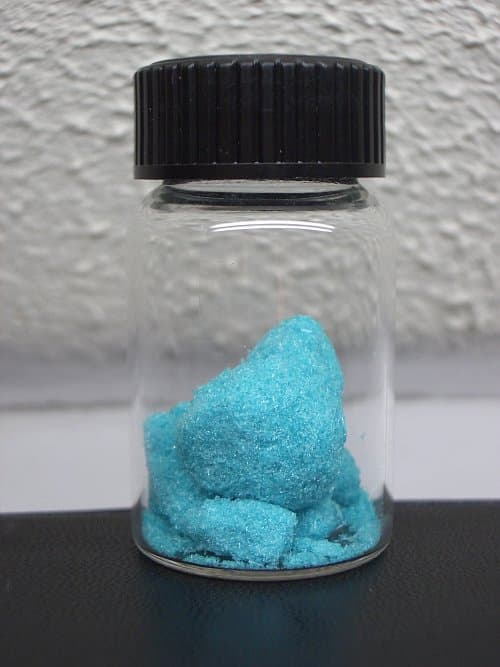
GHK-Cu stands for glycyl-L-histidyl-L-lysine copper(II). Break that name apart and you get three amino acids — glycine, histidine, and lysine — forming a tripeptide that naturally binds to a copper ion. It is one of the simplest peptides in the human body, and one of the most studied in the context of tissue repair.
The molecule was first identified in 1973 by Dr. Loren Pickart, who noticed that liver tissue from young people (around age 20) could stimulate old liver cells to produce proteins more like young cells did. He traced the effect back to this small copper-binding peptide circulating in human plasma.
Here is the detail that caught the longevity world's attention: GHK-Cu levels decline significantly with age. In young adults around age 20, plasma concentrations sit near 200 ng/mL. By age 60 and beyond, that number drops to roughly 80 ng/mL — a decline of about 60%. That age-related decline mirrors changes in wound healing speed, skin thickness, and tissue repair capacity, which naturally raises the question: what if you could top those levels back up?
How GHK-Cu Works in the Body
GHK-Cu is not a one-trick molecule. It participates in multiple biological pathways, which is part of why researchers find it so interesting — and part of why the marketing claims can get unwieldy.
Copper Delivery and Collagen Cross-Linking
Think of GHK-Cu as a tiny copper shuttle bus. Copper is an essential cofactor — a helper atom — for enzymes like lysyl oxidase, which cross-links collagen and elastin fibers to give skin and connective tissue their strength and elasticity. Without adequate copper delivery, collagen fibers are like rope that has not been braided: present but structurally weak. GHK-Cu carries copper directly to cells that need it for these enzymatic reactions.
Stimulating Collagen and Elastin Production
Beyond delivering copper, GHK-Cu actively signals cells to ramp up production of structural proteins. Studies have demonstrated that it stimulates synthesis of collagen type I (the most abundant collagen in skin and bone), collagen type III (important in wound healing and blood vessels), and elastin (the protein that lets skin snap back after being stretched). It also promotes production of glycosaminoglycans like hyaluronic acid, which hold moisture in tissues.
Wound Healing and Angiogenesis
GHK-Cu accelerates wound healing through several parallel mechanisms. It attracts immune cells and fibroblasts to injury sites, promotes the formation of new blood vessels (angiogenesis), and stimulates the production of nerve growth factor. In animal studies, wounds treated with GHK-Cu close faster and produce better-organized tissue with less scarring than untreated controls. It also helps recruit stem cells to damaged areas, which contributes to tissue regeneration rather than simple scar formation.
Anti-Inflammatory Effects
Chronic, low-grade inflammation — sometimes called "inflammaging" — is increasingly recognized as a driver of age-related disease. GHK-Cu suppresses several inflammatory pathways. It inhibits NF-kB, a master regulator of inflammatory gene expression, and reduces levels of pro-inflammatory cytokines including IL-6 and TNF-alpha. At the same time, it promotes anti-inflammatory signals. This dual action — calming inflammation while supporting repair — is relatively unusual for a single small molecule.
The Gene Expression Reset
This is the finding that launched a thousand longevity blog posts. In a 2012 study by Iorio and colleagues published in the journal Genome Biology, researchers used the Connectivity Map database to analyze how GHK-Cu affects human gene expression. Their conclusion was striking: GHK-Cu appeared capable of resetting the expression of roughly 4,000 human genes — about 30% of the human genome — toward patterns associated with younger, healthier tissue.
Specifically, GHK-Cu upregulated genes involved in tissue repair, antioxidant defense, and stem cell function, while downregulating genes associated with inflammation, tissue destruction, and cancer progression. The scope of these changes was remarkable for a single small peptide.
Important caveat: this study was a computational analysis of gene expression data, not a clinical trial in living humans. It tells us about potential, not about proven outcomes. The gap between "this molecule shifts gene expression patterns in a favorable direction" and "this molecule will make you live longer" is enormous and has not been bridged by direct evidence.
Skin Applications: Where the Evidence Is Strongest
If GHK-Cu has a home court, it is dermatology. The skin evidence is the most robust and clinically validated of all GHK-Cu research.
Topical Creams and Serums
Multiple controlled studies have tested GHK-Cu in topical formulations. The results are consistently positive, though modest in absolute terms:
- Wrinkle reduction: In a 12-week study, topical GHK-Cu cream improved skin laxity, clarity, and firmness while reducing fine lines and wrinkles. Participants also showed increased skin thickness and density, measured by ultrasound.
- Collagen stimulation: Skin biopsies from GHK-Cu-treated areas show measurable increases in collagen production compared to placebo-treated skin.
- Wound healing: Topical application accelerates closure of small wounds, surgical incisions, and skin ulcers in multiple trials.
How Does It Compare to Retinol and Vitamin C?
This is the question every skincare consumer asks. Here is a fair comparison:
- Retinol (vitamin A) has decades of rigorous clinical data behind it and remains the gold standard for anti-aging skincare. It increases cell turnover and collagen production but causes irritation in many users, especially at higher concentrations.
- Vitamin C (L-ascorbic acid) is a proven antioxidant that also supports collagen synthesis, though it is notoriously unstable in formulations and can oxidize before it reaches your skin.
- GHK-Cu works through different mechanisms — copper delivery, anti-inflammatory signaling, and growth factor stimulation rather than cell turnover. It tends to be better tolerated than retinol, with less irritation and peeling. However, it has fewer large-scale, long-term clinical trials behind it.
The practical takeaway: GHK-Cu is not a retinol replacement. It is a complementary ingredient that works through distinct pathways. Many dermatologists now recommend using both, though not necessarily at the same time (copper can degrade certain forms of vitamin C, so timing matters).
Post-Procedure Recovery
One of the more practical applications is using GHK-Cu after cosmetic procedures like laser resurfacing, microneedling, or chemical peels. The peptide's wound-healing and anti-inflammatory properties can speed recovery and reduce redness. Some clinicians also combine GHK-Cu directly with microneedling treatments, using it as a serum applied during the procedure to take advantage of the micro-channels created in the skin.
The Longevity Angle: Promising but Unproven
This is where we need to be especially honest about what the evidence does and does not say.
What Supports the Longevity Hypothesis
Several lines of evidence make GHK-Cu interesting from an aging perspective:
- Gene expression resetting (the Iorio et al. data discussed above) suggests broad-spectrum anti-aging effects at the transcriptional level.
- Antioxidant upregulation: GHK-Cu increases expression of superoxide dismutase (SOD) and catalase, two of the body's most important endogenous antioxidant enzymes. Rather than acting as a direct antioxidant itself, it boosts your own antioxidant machinery.
- Stem cell recruitment: By attracting stem cells to sites of damage, GHK-Cu may support the body's regenerative capacity, which declines with age.
- Anti-inflammatory action: Reducing chronic inflammation addresses one of the recognized hallmarks of aging.
What Is Missing
Here is what we do not have:
- No lifespan studies. There are no published studies — in humans or even in animal models — showing that GHK-Cu supplementation extends lifespan. The longevity claims are extrapolations from gene expression data and wound healing outcomes, not from direct measurement of aging or mortality.
- No long-term supplementation trials. We do not know what happens when you take GHK-Cu systemically for years. The safety and efficacy data for long-term use simply does not exist.
- Gene expression does not equal outcome. Shifting gene expression in a "younger" direction is an interesting biomarker signal, but it does not automatically translate to slower aging, fewer diseases, or longer life. Biology is full of examples where favorable-looking biomarker changes did not produce the expected clinical benefits.
The honest summary: GHK-Cu is a biologically plausible longevity candidate with intriguing preliminary data. But anyone telling you it is a proven anti-aging intervention is running ahead of the science.
Injectable vs. Topical: Different Routes, Different Evidence
Topical GHK-Cu
This is the well-trodden path. Topical GHK-Cu products are available over the counter in serums and creams, typically at concentrations of 0.01% to 1%. They are widely used in cosmetic dermatology, supported by published clinical data, and generally considered safe. The main limitation is penetration — large molecules have difficulty crossing the skin barrier, so the effects are largely confined to the outer layers of skin and the superficial dermis.
Subcutaneous Injection
In the longevity and biohacking community, some individuals inject GHK-Cu subcutaneously, typically at doses of 1-3 mg per day for short cycles. The reasoning is straightforward: if topical application is limited by skin penetration, systemic delivery should produce broader effects throughout the body.
The problem is that injectable GHK-Cu has very limited clinical data. Most of the injection protocols circulating online are based on anecdotal reports and extrapolation from topical and in vitro studies, not from controlled human trials of injected GHK-Cu. We do not have good dose-response data, optimal duration data, or comprehensive safety data for this route.
Mesotherapy and Microneedling Delivery
A middle ground exists in professional aesthetic settings: mesotherapy (shallow intradermal injections) and microneedling with GHK-Cu serum. These approaches deliver the peptide deeper than a topical cream but in a more targeted and controlled way than systemic injection. Some clinical and aesthetic practitioners report improved results compared to microneedling alone, though rigorous comparative trials remain limited.
Why the Sudden Popularity?
Search interest in GHK-Cu has grown by over 1,016% year-over-year as of early 2026. Several factors are driving this:
- Peptide therapeutics going mainstream: The success of GLP-1 receptor agonists (semaglutide, tirzepatide) has made the general public aware that peptides can be powerful drugs, creating a halo effect for the entire peptide category.
- Longevity culture: The growing biohacking and longevity optimization movement, amplified by figures like Bryan Johnson and Andrew Huberman, has pushed GHK-Cu into mainstream health conversations.
- Skincare science deepening: Consumers are increasingly sophisticated about skincare ingredients, moving beyond retinol and vitamin C to explore peptides, growth factors, and other bioactive molecules.
- Accessibility: Unlike many peptides discussed in longevity circles, topical GHK-Cu is readily available without a prescription, making it easy for curious consumers to try.
Safety Profile
Topical Use
GHK-Cu has an excellent topical safety profile. It has been used in cosmetic products for decades with very few reported adverse effects. Mild irritation is possible, as with any active skincare ingredient, but allergic reactions are rare. It is generally safe during pregnancy and breastfeeding in topical form, though as with most active ingredients, checking with a healthcare provider is prudent.
Injectable Use
The safety picture is murkier here. Short-term subcutaneous use at commonly reported doses does not appear to cause obvious harm based on anecdotal community reports, but we lack the formal safety studies that would let anyone make confident statements. Copper is an essential trace element, but it is also toxic in excess — Wilson's disease, a genetic condition causing copper accumulation, demonstrates how damaging copper overload can be. Whether the small amounts of copper in GHK-Cu injections could contribute to copper toxicity over extended use is an open question.
Anyone considering injectable use should work with a knowledgeable physician, monitor copper levels, and understand that they are operating outside the boundaries of well-established evidence.
Frequently Asked Questions
Does GHK-Cu actually work for anti-aging?
For topical skin applications, yes -- multiple controlled studies show GHK-Cu improves skin laxity, firmness, and fine lines while increasing skin thickness and collagen production. For broader systemic anti-aging, the evidence is suggestive but incomplete. A 2012 computational study found GHK-Cu could reset the expression of roughly 4,000 human genes toward younger patterns, but no lifespan studies in humans or animal models have been published proving it extends life.
Is GHK-Cu better than retinol?
They work through different mechanisms and are best considered complementary rather than competitors. Retinol has decades of rigorous clinical data and remains the gold standard for anti-aging skincare through increased cell turnover and collagen production, but it causes irritation in many users. GHK-Cu works through copper delivery, anti-inflammatory signaling, and growth factor stimulation, and tends to be better tolerated with less irritation. Many dermatologists now recommend using both, though not simultaneously since copper can degrade certain forms of vitamin C.
Can you inject GHK-Cu for longevity?
Some individuals in the biohacking community inject GHK-Cu subcutaneously at doses of 1-3 mg per day for short cycles, but injectable GHK-Cu has very limited clinical data. The injection protocols circulating online are based on anecdotal reports and extrapolation from topical and in vitro studies, not from controlled human trials. Copper is also toxic in excess, so anyone considering injectable use should work with a knowledgeable physician and monitor copper levels.
What concentration of GHK-Cu is effective in skincare?
Topical GHK-Cu products are typically available at concentrations ranging from 0.01% to 1%, and clinical studies showing benefits for wrinkle reduction, skin firmness, and wound healing have used products within this range. GHK-Cu has an excellent topical safety profile with decades of use in cosmetic products and very few reported adverse effects, making it accessible as an over-the-counter skincare ingredient without a prescription.
Are there side effects of GHK-Cu?
For topical use, GHK-Cu has an excellent safety profile with very few reported adverse effects across decades of cosmetic use. Mild irritation is possible, as with any active skincare ingredient, but allergic reactions are rare. For injectable use, the safety picture is murkier -- short-term subcutaneous use does not appear to cause obvious harm based on anecdotal reports, but formal safety studies are lacking, and there is a theoretical concern about copper toxicity with extended use.
The Bottom Line
GHK-Cu is a genuinely interesting molecule with real biological activity. It is not a marketing invention — it is a naturally occurring peptide that your body already makes and uses, and its decline with age correlates with measurable losses in tissue repair capacity.
Where the evidence is solid: topical skin applications for wrinkle reduction, skin firmness, wound healing, and post-procedure recovery.
Where the evidence is suggestive but incomplete: gene expression resetting, systemic anti-aging effects, and longevity benefits.
Where the evidence is thin: injectable protocols for longevity, optimal dosing for systemic use, and long-term safety of any non-topical route.
If you are interested in GHK-Cu for skincare, there is good reason to try a quality topical product. If you are interested in it for longevity, keep watching the research but be skeptical of anyone who presents computational gene expression data as proof of life extension. The science is promising. It is not yet conclusive.
That distinction matters more than any amount of hype.