A Peptide That Acts Like a Workout
Imagine a molecule your own cells produce every time you go for a run — one that flips the same metabolic switches as a thirty-minute jog, improving how your body handles sugar, burns fat, and produces energy. Now imagine that your body makes less and less of it as you age, and that people who live past 100 tend to carry a genetic variant that keeps producing more of it.
That molecule is real. It is called MOTS-c, and it is one of the most exciting discoveries in mitochondrial biology in the last decade.
MOTS-c is not a drug designed in a lab. It is a naturally occurring peptide — a short chain of amino acids — that your mitochondria produce from their own DNA. It was discovered in 2015, and since then it has become a focal point in longevity science, metabolism research, and the biohacking community. The popular shorthand for it is "exercise in a bottle," a phrase that is both genuinely descriptive and dangerously oversimplified.
This article will walk you through what MOTS-c is, how it works, what the evidence actually shows, and where the honest limits of that evidence lie.
What Is MOTS-c?
MOTS-c stands for Mitochondrial Open Reading Frame of the 12S rRNA Type-c. That is a mouthful, so here is what it means in plain language.
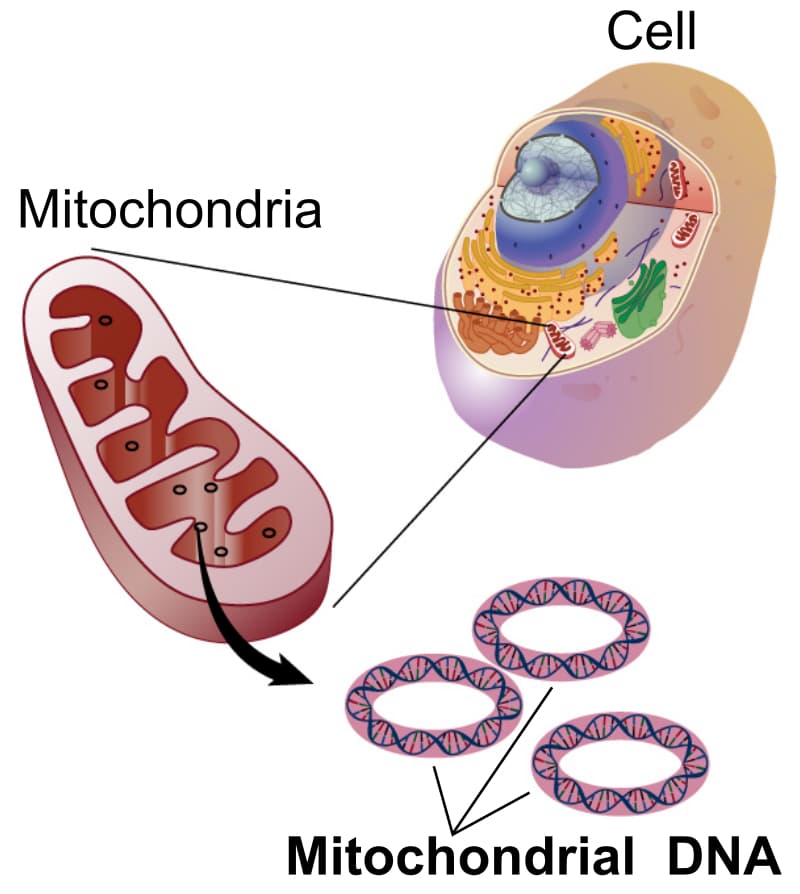
Your cells contain two genomes: the nuclear genome (the main DNA in the cell's nucleus, with roughly 20,000 genes) and the mitochondrial genome (a tiny, circular DNA molecule inside each mitochondrion, with just 37 genes). For decades, scientists assumed the mitochondrial genome only encoded proteins needed for the energy-production machinery inside the mitochondrion itself. It was considered a closed system — a small instruction manual for the cell's power plants.
That assumption turned out to be wrong. In 2015, a research team led by Changhan David Lee at the University of Southern California (USC) published a landmark paper in the journal Cell Metabolism showing that the mitochondrial genome encodes a previously unknown peptide — just 16 amino acids long — hidden within the gene for 12S ribosomal RNA. They named it MOTS-c.
What made the discovery remarkable was not just that the peptide existed, but what it did. When Lee's team injected MOTS-c into mice, the animals showed dramatic improvements in glucose metabolism and insulin sensitivity. The peptide was not staying inside the mitochondria. It was being released into the bloodstream and acting as a signaling molecule — a hormone, effectively — that could reprogram metabolism across the entire body.
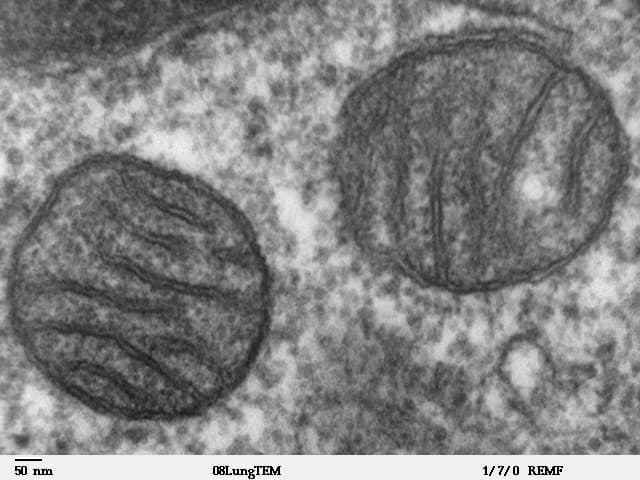
MOTS-c belongs to a family called mitochondrial-derived peptides (MDPs), which also includes Humanin (discovered in 2001) and several small humanin-like peptides (SHLPs). Together, these peptides have overturned the old view of mitochondria as mere batteries. Mitochondria, it turns out, are also endocrine organs — they send hormonal signals that regulate aging, metabolism, and stress responses throughout the body.
How MOTS-c Mimics Exercise
The reason MOTS-c gets called "exercise in a bottle" is not marketing hype. It activates the same core metabolic pathway that physical exercise does.
The AMPK Connection
When you exercise, your muscle cells burn through their energy reserves. Levels of ATP (the cell's energy currency) drop, and levels of AMP (a byproduct of ATP use) rise. This shift triggers an enzyme called AMPK — AMP-activated protein kinase — which acts as the cell's master energy sensor. Think of AMPK as a fuel gauge: when energy runs low, AMPK switches on a cascade of metabolic responses designed to restore the balance.
AMPK activation does several things at once:
- Increases glucose uptake — muscle cells pull more sugar out of the blood for fuel
- Enhances fatty acid oxidation — cells start burning stored fat for energy
- Boosts mitochondrial biogenesis — the cell builds more mitochondria to increase energy capacity
- Improves insulin sensitivity — cells become more responsive to insulin's signal to absorb glucose
This is essentially the metabolic payoff of exercise. It is why regular physical activity protects against type 2 diabetes, obesity, and cardiovascular disease.
MOTS-c activates AMPK directly. It does not require you to deplete your ATP stores through physical effort — it flips the same switch chemically. The downstream effects in laboratory studies look strikingly similar to the metabolic benefits of exercise: better glucose handling, more fat burning, improved insulin responsiveness.
The Analogy and Its Limits
The "exercise in a bottle" analogy is useful but imperfect. Exercise does far more than activate AMPK. It strengthens the heart, builds muscle, improves balance and coordination, releases endorphins, remodels bone, and triggers hundreds of molecular changes that no single peptide can replicate. MOTS-c targets one critical metabolic pathway — the AMPK energy-sensing axis — and targets it well. But it is not a complete substitute for physical movement. Think of it more like this: if exercise flips fifty metabolic switches, MOTS-c flips one of the most important ones.
What the Research Shows
Animal Studies
The strongest evidence for MOTS-c comes from mouse studies, most of them from Lee's lab at USC and collaborating groups.
Glucose and obesity. In the original 2015 paper, mice injected with MOTS-c showed significantly improved glucose tolerance and insulin sensitivity. In mice fed a high-fat diet — a standard model for inducing obesity and metabolic syndrome — MOTS-c treatment prevented diet-induced obesity and reduced fat accumulation. The mice ate the same high-fat food but did not gain as much weight.
Exercise capacity in aged mice. A particularly striking 2020 study in Cell Metabolism showed that MOTS-c treatment improved physical performance in aged mice. Old mice given MOTS-c ran longer on treadmill tests and showed improved skeletal muscle metabolism. The peptide appeared to partially reverse the age-related decline in exercise capacity — a finding with obvious implications for human aging.
Stress resistance. Additional preclinical work has shown that MOTS-c improves cellular resistance to metabolic stress, helps regulate inflammatory responses, and supports healthy mitochondrial function under conditions that would normally cause mitochondrial damage.
Human Observational Data
No large-scale clinical trial of MOTS-c in humans has been published as of early 2026. However, several important observational studies provide human-relevant data.
Fitness correlation. Multiple studies have found that circulating MOTS-c levels in the blood correlate with physical fitness. People who are more physically active tend to have higher MOTS-c levels. Exercise itself triggers a measurable rise in blood MOTS-c concentration — suggesting the peptide is part of the molecular machinery through which exercise delivers its metabolic benefits.
Age-related decline. Blood levels of MOTS-c decline substantially with age. Estimates suggest a roughly 50 percent drop between ages 20 and 70, mirroring the well-documented age-related decline in mitochondrial function. This has led researchers to hypothesize that falling MOTS-c levels contribute to the metabolic deterioration that comes with aging — the increasing insulin resistance, fat accumulation, and loss of muscle function that most people experience in their later decades.
The Japanese centenarian connection. Perhaps the most compelling human data comes from studies of exceptional longevity. Research on Japanese centenarians — people who have lived past 100 — identified a specific mitochondrial DNA variant, m.1382A>C, that is significantly more common in this population than in age-matched controls. This variant falls within the gene region that encodes MOTS-c, and functional studies suggest it produces a more stable version of the peptide — one that resists degradation and remains active longer.
In other words, people who live exceptionally long lives are more likely to carry a genetic variant that gives them better, more durable MOTS-c. That is a strong hint that MOTS-c plays a real role in human aging, not just in mice.
Clinical Trials
As of 2026, clinical investigation of MOTS-c in humans is in its early stages. Changhan David Lee's group at USC has been working toward formal clinical trials, and Phase 1 safety and pharmacokinetic studies are either underway or in preparation. Peer-reviewed human trial data have not yet been published. This is worth emphasizing: the human evidence so far is correlational and observational. We know MOTS-c levels track with fitness and longevity, but we do not yet have randomized, controlled trial data proving that administering MOTS-c to humans produces the same benefits seen in mice.
The Longevity Connection
MOTS-c sits at the intersection of several major themes in aging research.
Mitochondrial Dysfunction and Aging
Mitochondrial dysfunction is recognized as one of the nine canonical hallmarks of aging — the core biological processes that drive the deterioration we associate with growing old. As we age, mitochondria accumulate damage, produce less energy, generate more harmful reactive oxygen species, and gradually lose their ability to keep cells functioning at peak capacity.
MOTS-c is produced by mitochondria. Its levels decline as mitochondrial function declines. And when administered externally, it restores some of the metabolic functions that mitochondrial aging degrades. This makes MOTS-c a particularly elegant intervention target: it is not an external drug fighting against biology, but a naturally produced signal that simply runs low over time.
Metabolic Protection
The metabolic syndrome — insulin resistance, elevated blood sugar, excess abdominal fat, and dyslipidemia — is not just a disease of poor diet. It is, in large part, a disease of aging. Even lean, physically active people develop increasing insulin resistance as they age. MOTS-c's ability to improve insulin sensitivity and glucose handling through the AMPK pathway positions it as a potential countermeasure against this age-driven metabolic decline.
A Family Affair: Other Mitochondrial-Derived Peptides
MOTS-c is not alone. It belongs to a growing family of mitochondrial-derived peptides that are reshaping how scientists think about mitochondria.
- Humanin was discovered in 2001 and has shown neuroprotective effects in models of Alzheimer's disease. Like MOTS-c, Humanin levels decline with age and are higher in long-lived populations.
- SHLPs (Small Humanin-Like Peptides) are a group of six peptides, also encoded by mitochondrial DNA, with various protective functions including anti-apoptotic (preventing cell death) and metabolic regulatory roles.
Together, these peptides suggest that the mitochondrial genome is a much richer source of biological signaling than anyone suspected twenty years ago. MOTS-c may be the most metabolically potent member of the family discovered so far, but the field is young and expanding rapidly.
Availability, Legality, and the Biohacking Community
MOTS-c is not approved by the FDA for any medical indication. It is classified as a research peptide — legal to buy for laboratory research purposes, but not approved for human therapeutic use.
Despite this, MOTS-c has gained a following in the longevity and biohacking community. It is available from peptide suppliers who sell it for research purposes, and some individuals self-administer it as part of anti-aging or metabolic optimization protocols. Typical reported regimens involve subcutaneous injection, often at doses extrapolated from the mouse studies (which used approximately 5 mg/kg).
It is important to be direct about the risks here. Peptides purchased from online suppliers have no guarantee of purity, sterility, or accurate dosing. There is no regulatory oversight of these products. And without published human trial data, the safety profile of exogenous MOTS-c in humans — including potential side effects, drug interactions, and long-term consequences — remains unknown.
Honest Limitations
The enthusiasm around MOTS-c is understandable. A naturally produced peptide that mimics exercise, declines with age, and is linked to exceptional human longevity is a compelling story. But intellectual honesty requires acknowledging what we do not yet know.
Most evidence is preclinical. The core efficacy data comes from mouse studies. Mice are not humans. Many interventions that work spectacularly in mice fail to translate to human benefit. This is especially true for metabolic interventions, where differences in body size, metabolic rate, and physiology between mice and humans are substantial.
Correlation is not causation. The fact that MOTS-c levels correlate with fitness and longevity in humans does not prove that supplementing MOTS-c will improve either. It is possible that high MOTS-c is a marker of good mitochondrial health rather than a cause of it.
It is not a replacement for exercise. Even if MOTS-c delivers on its metabolic promise in future human trials, exercise provides cardiovascular, musculoskeletal, neurological, and psychological benefits that no single peptide can replicate. MOTS-c might complement exercise — or help those who cannot exercise due to disability or illness — but it will not replace it.
Long-term safety is unknown. No one knows what happens when you administer MOTS-c to a human body for months or years. The peptide activates AMPK, which is a powerful and broadly influential signaling pathway. Chronic AMPK activation could, in theory, have unintended consequences that only emerge over time.
Frequently Asked Questions
Is MOTS-c a replacement for exercise?
No. While MOTS-c activates AMPK -- the same master energy-sensing pathway triggered by exercise -- physical activity provides cardiovascular, musculoskeletal, neurological, and psychological benefits that no single peptide can replicate. If exercise flips fifty metabolic switches, MOTS-c flips one of the most important ones. It may complement exercise or help those who cannot exercise due to disability or illness, but it is not a substitute.
Are there human studies on MOTS-c?
No large-scale clinical trial of MOTS-c in humans has been published as of early 2026, though Phase 1 safety studies from Changhan David Lee's group at USC are either underway or in preparation. Human observational studies do show that circulating MOTS-c levels correlate with physical fitness, decline roughly 50% between ages 20 and 70, and a specific mitochondrial DNA variant linked to higher MOTS-c stability is significantly more common in Japanese centenarians.
What is MOTS-c dosing protocol?
There is no established human dosing protocol because MOTS-c is not FDA-approved and no published human trial data exists. In the biohacking community, users typically self-administer subcutaneous injections at doses extrapolated from mouse studies (which used approximately 5 mg/kg), but these doses are not validated by human pharmacokinetic studies. Peptides purchased from online suppliers also have no guarantee of purity, sterility, or accurate dosing.
Is MOTS-c FDA approved?
No. MOTS-c is not approved by the FDA for any medical indication and is classified as a research peptide -- legal to purchase for laboratory research purposes but not approved for human therapeutic use. There is no regulatory oversight of MOTS-c products sold by online peptide suppliers, and the safety profile of exogenous MOTS-c in humans remains unknown.
Why do MOTS-c levels decline with age?
MOTS-c is produced by mitochondria, and mitochondrial dysfunction is recognized as one of the nine canonical hallmarks of aging. As we age, mitochondria accumulate damage, produce less energy, generate more harmful reactive oxygen species, and gradually lose functional capacity -- including the ability to produce signaling peptides like MOTS-c. Blood levels drop roughly 50% between ages 20 and 70, mirroring the broader age-related decline in mitochondrial function that drives increasing insulin resistance, fat accumulation, and loss of muscle function.
The Bottom Line
MOTS-c is one of the most scientifically grounded peptides in the longevity space. It is not a speculative molecule — it is a naturally occurring hormone that your mitochondria already produce, with a clear mechanism of action through the AMPK pathway, strong preclinical data, and intriguing human genetic associations linking it to exceptional lifespan. The discovery that mitochondria send hormonal signals to regulate whole-body metabolism was itself a paradigm shift, and MOTS-c is the flagship example.
But it is early. The human clinical data that will determine whether MOTS-c can deliver real-world benefits for aging, metabolism, and exercise capacity in people — not just mice — has not yet arrived. Until it does, MOTS-c remains a deeply promising research peptide, not a proven therapeutic.
For now, the most reliable way to boost your MOTS-c levels remains the original one: exercise. Your mitochondria already know what to do. The question is whether science can eventually bottle what they produce.