
Imagine two friends who were born on the same day in 1980. Both just turned 45. One runs marathons, sleeps eight hours a night, and has the cardiovascular fitness of someone a decade younger. The other smokes, barely exercises, and already takes medication for high blood pressure. On paper, they are the same age. Biologically, they could be fifteen years apart.
This gap between what the calendar says and what the body says is one of the most important concepts in modern longevity science. Your chronological age -- the number of birthdays you have celebrated -- tells you almost nothing about how healthy you are or how long you are likely to live. Your biological age -- a measure of how well or poorly your cells, tissues, and organs are functioning -- tells you far more.
The good news? Unlike chronological age, biological age is not fixed. You can slow it down, and in some cases, even reverse it.
What Is Chronological Age?
Chronological age is straightforward: it is the amount of time that has passed since you were born. If you were born on March 15, 1985, your chronological age today is a simple calculation. It moves forward at exactly the same rate for every human being on Earth -- one year per year, no exceptions.
Chronological age is what doctors use to screen for diseases, what insurance companies use to set premiums, and what governments use to determine retirement eligibility. But it is a blunt instrument. A 60-year-old ultra-endurance athlete and a 60-year-old with type 2 diabetes, heart disease, and chronic inflammation are treated as the same age by most medical systems, even though their bodies are in vastly different states.
What Is Biological Age?
Biological age is an estimate of how old your body actually is at the cellular and molecular level, based on measurable biomarkers. It reflects the cumulative wear and tear on your DNA, proteins, organs, and metabolic systems -- shaped by genetics, lifestyle, environment, and disease history.
A person who is chronologically 50 but biologically 42 has cells and systems that function more like those of a typical 42-year-old. A person who is chronologically 50 but biologically 58 is aging faster than average and faces elevated risks for age-related diseases including cancer, cardiovascular disease, and neurodegeneration.
As Dr. David Sinclair, professor of genetics at Harvard Medical School and author of Lifespan: Why We Age -- and Why We Don't Have To, has explained: "Aging is not an inevitable consequence of getting older. It is a medical condition, and it is treatable. The first step is measuring it, and biological age gives us the tool to do that" [1].
How Scientists Measure Biological Age
There is no single biomarker that captures biological age perfectly. Instead, researchers use several complementary approaches, each measuring a different dimension of aging.
Epigenetic Clocks: The Gold Standard
The most scientifically validated approach to measuring biological age relies on epigenetics -- specifically, patterns of DNA methylation across the genome.
DNA methylation is a chemical modification where a small molecule called a methyl group attaches to the cytosine bases in your DNA. Think of these methyl groups as tiny molecular tags that tell your cells which genes to turn on and which to keep silent. As you age, these tags shift in predictable patterns: some sites gain methylation, others lose it. By measuring methylation at hundreds of specific locations, algorithms can estimate how old your body truly is.
 DNA methylation -- the addition of methyl groups to cytosine bases -- changes in predictable patterns as we age, forming the basis of epigenetic clocks. Image: National Human Genome Research Institute, Public Domain via Wikimedia Commons [2].
Several epigenetic clocks have been developed, each with different strengths:
-
Horvath Clock (2013): Developed by biostatistician Steve Horvath at UCLA, this was the first multi-tissue epigenetic clock. It analyzes 353 CpG sites and works across blood, brain, liver, and other tissues. Horvath's landmark finding was that biological age acceleration -- the gap between your predicted and actual age -- correlates with mortality risk independently of other factors. As Horvath himself has noted: "The epigenetic clock has given us something we never had before: an objective measure of how fast someone is aging at the molecular level" [3].
-
PhenoAge (2018): Created by Morgan Levine in Horvath's lab, PhenoAge was trained not just to predict chronological age but to predict mortality and disease risk, using clinical biomarkers like C-reactive protein, glucose, and creatinine as intermediate targets. It captures functional decline, not just the passage of time.
-
GrimAge (2019): Also from the Horvath lab, GrimAge uses methylation patterns that predict smoking history and plasma protein levels tied to mortality. An acceleration of just one year on GrimAge is associated with a roughly 10% increase in mortality risk [4].
-
DunedinPACE (2022): Unlike the clocks above, which estimate your total biological age, DunedinPACE measures the pace of aging -- how fast you are currently aging right now. Think of it as a speedometer rather than an odometer. A score of 1.0 means you are aging at the average rate; below 1.0 means slower; above 1.0 means faster. It was developed using decades of longitudinal data from the Dunedin Study in New Zealand [5].
Blood Biomarkers: The Clinical Window
Beyond epigenetics, standard blood tests reveal important information about biological aging. Clinicians and researchers look at markers including:
- C-reactive protein (CRP): A measure of systemic inflammation. Chronically elevated CRP is associated with accelerated aging and higher cardiovascular risk.
- Fasting glucose and HbA1c: Indicators of metabolic health. Insulin resistance and elevated blood sugar accelerate aging at the cellular level.
- Lipid panel (LDL, HDL, triglycerides): Metabolic markers that reflect cardiovascular aging.
- Albumin: A liver-produced protein that declines with age and poor health. Low albumin is one of the strongest predictors of all-cause mortality in older adults.
- GDF-15: A stress-response protein increasingly recognized as a powerful biomarker of biological aging and disease burden.
- White blood cell counts and ratios: Shifts in immune cell populations reflect immunological aging, sometimes called immunosenescence.
Telomere Length: The Chromosome Clock
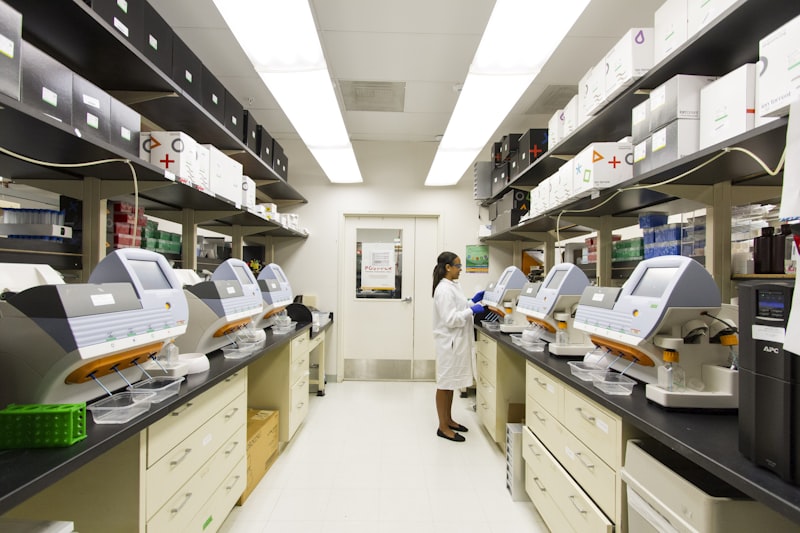
Telomeres are protective caps at the ends of your chromosomes -- often compared to the plastic tips on shoelaces that prevent fraying. Every time a cell divides, its telomeres get slightly shorter. When they become critically short, the cell can no longer divide safely and either dies or enters senescence (a "zombie" state where it stays alive but stops functioning properly and starts damaging its neighbors).
Telomere length was one of the earliest proposed biomarkers of biological aging, and shorter telomeres are associated with higher risks of cardiovascular disease, certain cancers, and earlier death. However, telomere length is noisier than epigenetic clocks -- it varies significantly between tissues and even between cells in the same tissue -- so it is best used alongside other measures rather than as a standalone indicator [6].
How to Test Your Biological Age
Several commercial services now offer biological age testing directly to consumers:
-
TruDiagnostic (TruAge): Uses the DunedinPACE and other epigenetic clocks from a blood sample. Provides a comprehensive report including pace of aging, immune age, and telomere length estimates. Costs approximately $230-500 depending on the panel.
-
Elysium Index: Developed in collaboration with Morgan Levine (creator of PhenoAge), this saliva-based test measures biological age using a proprietary epigenetic algorithm. Priced around $250 per test.
-
myDNAge: Offers Horvath clock analysis from blood or urine samples. One of the more affordable options at around $300.
-
Standard blood panels: While not a complete biological age test, a comprehensive metabolic panel and CBC from your doctor (or services like InsideTracker) can provide many of the biomarkers that feed into biological age algorithms.
For a quick, free estimate based on lifestyle and health data, try our Biological Age Calculator, which uses published research on the key factors that influence aging pace.
What Accelerates Biological Aging?
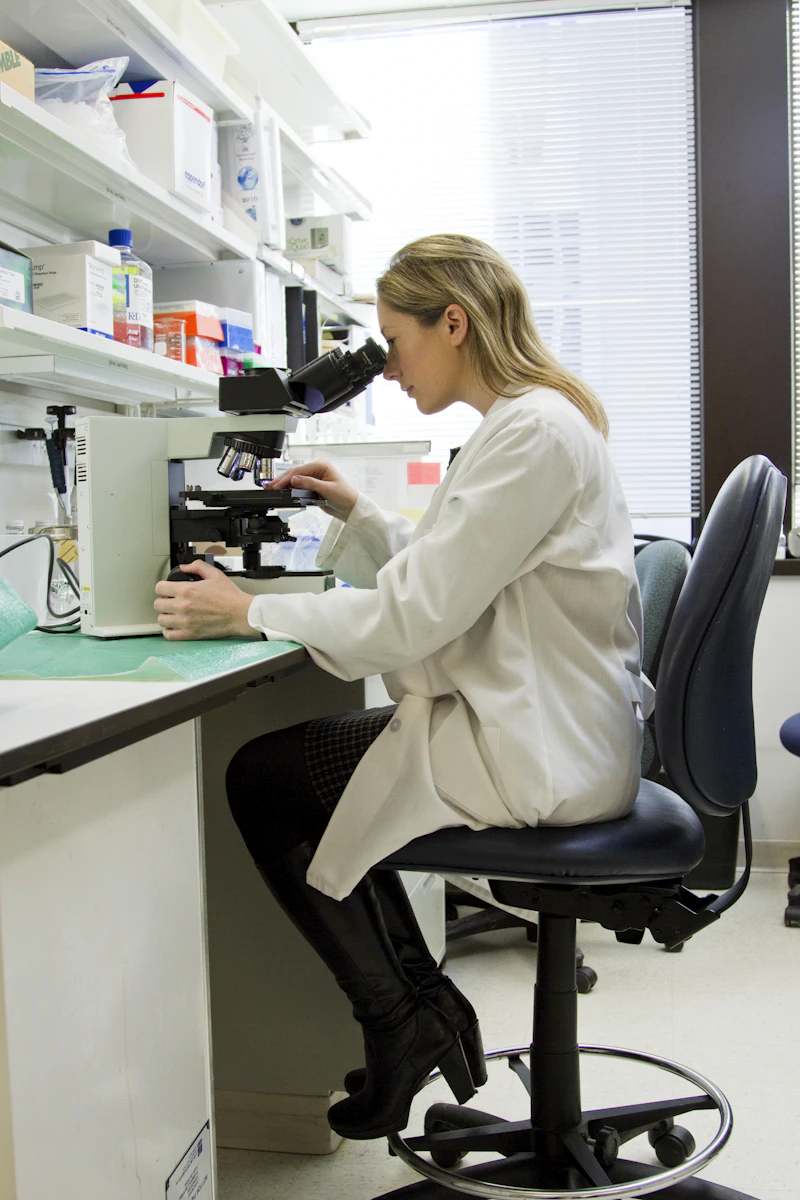
Research using epigenetic clocks and other biomarkers has identified several factors that reliably speed up biological aging:
-
Smoking: One of the most potent aging accelerators. Smokers show 4-7 years of biological age acceleration on average, and the damage is written directly into DNA methylation patterns. GrimAge was partially trained on smoking-related methylation signatures because they are such a strong predictor of death [4].
-
Chronic psychological stress: Prolonged stress elevates cortisol, promotes inflammation, and shortens telomeres. Studies of caregivers, combat veterans, and people who experienced childhood trauma all show measurable acceleration of biological aging [7].
-
Poor sleep: Disrupted or insufficient sleep (consistently under 6 hours) is associated with accelerated epigenetic aging. Sleep is when cells perform critical repair and maintenance functions, and cutting it short means deferred biological maintenance.
-
Ultra-processed food: Diets high in ultra-processed foods are linked to shorter telomeres, higher inflammatory markers, and faster biological aging. A 2020 study in the American Journal of Clinical Nutrition found that consuming more than three servings of ultra-processed food per day was associated with doubled odds of having short telomeres [8].
-
Sedentary behavior: Physical inactivity accelerates nearly every biomarker of aging, from telomere shortening to inflammatory marker elevation to epigenetic age acceleration.
-
Air pollution: Exposure to fine particulate matter (PM2.5) is associated with faster epigenetic aging, particularly through inflammatory pathways.
-
Excessive alcohol consumption: Heavy drinking accelerates epigenetic aging and is associated with increased GrimAge scores.
What Slows -- or Reverses -- Biological Aging?
This is where the science gets genuinely exciting. Unlike chronological age, biological age responds to intervention.
Exercise: The Most Powerful Tool
Regular physical activity is the single most consistently validated intervention for slowing biological aging. Both aerobic exercise and resistance training are associated with younger biological age across multiple clock measurements.
A 2023 study in Aging Cell found that adults who met the WHO physical activity guidelines (150 minutes of moderate or 75 minutes of vigorous activity per week) had DunedinPACE scores indicating they were aging approximately 2-3% slower than sedentary peers. Highly active individuals showed even greater benefits [9].
Exercise works through multiple mechanisms: it reduces inflammation, improves insulin sensitivity, boosts autophagy (cellular cleanup), maintains telomere length, and favorably alters DNA methylation patterns.
Diet: Mediterranean and Caloric Restriction
The Mediterranean diet -- rich in vegetables, fruits, whole grains, olive oil, nuts, and fish -- is consistently associated with younger biological age in population studies. Its benefits likely stem from its anti-inflammatory and antioxidant properties.
Caloric restriction (reducing calorie intake by 15-25% without malnutrition) has shown remarkable results. The landmark CALERIE trial, a randomized controlled study, found that two years of modest caloric restriction (about 12% reduction in practice) significantly slowed the pace of aging as measured by DunedinPACE. Participants on caloric restriction aged 2-3% slower per year than controls [10].
Sleep: The Repair Window
Consistently sleeping 7-9 hours per night is associated with slower biological aging. Sleep is when the body performs critical maintenance: clearing metabolic waste from the brain, repairing DNA damage, releasing growth hormone, and consolidating immune memory. Prioritizing sleep hygiene -- consistent bedtime, cool dark room, limited screen exposure before bed -- is one of the simplest and most impactful longevity interventions.
Stress Management
Chronic stress accelerates aging, but stress-reduction practices can measurably slow it. A 2023 study from Yale found that an eight-week stress management program incorporating mindfulness, sleep improvement, and exercise guidance reduced biological age by an average of 1.5 years as measured by GrimAge [7].

Can You Actually Reverse Biological Age?
Yes -- and there is growing evidence from human studies, not just animal models.
The Fahy Thymus Regeneration Trial (TRIIM)
In 2019, immunologist Greg Fahy published results from the TRIIM trial (Thymus Regeneration, Immunorestoration, and Insulin Mitigation), a small but groundbreaking study. Nine healthy men aged 51-65 received a cocktail of growth hormone, DHEA, and metformin for one year. The goal was to regenerate the thymus gland, which shrinks with age and weakens the immune system.
The results exceeded expectations. MRI scans showed the thymus had regenerated, replacing fat with functional immune tissue. But the real surprise came from the epigenetic analysis: participants showed an average 2.5 years of biological age reversal on the Horvath clock, even though a year of chronological time had passed. In other words, they ended the trial biologically 3.5 years younger than when they started. The effect persisted for at least six months after treatment ended [11].
The follow-up TRIIM-X trial expanded the study to include women and a more diverse participant group, with results continuing to show epigenetic age reversal.
Exercise-Induced Reversal
Multiple studies have demonstrated that starting an exercise program can reverse biological age acceleration. A 2024 meta-analysis found that structured exercise programs lasting 12 or more weeks reduced biological age by 1-3 years on average across various epigenetic clock measures. The effect was dose-dependent -- more exercise generally produced greater reversal, up to a plateau [9].
Lifestyle Interventions Combined
A 2021 pilot study by Kara Fitzgerald found that an eight-week program combining diet (high in folate and polyphenol-rich foods), exercise, sleep optimization, relaxation techniques, and supplemental probiotics reduced biological age by an average of 3.23 years on the Horvath clock compared to controls [12].
While these studies are still small and need larger replication, they point to a remarkable conclusion: biological aging is not a one-way street.
What This Means for Your Health
Understanding the difference between chronological and biological age is not just an academic exercise. It has practical implications for how you manage your health:
Know your baseline. Consider getting a biological age test to understand where you stand. Even a comprehensive blood panel with inflammatory and metabolic markers gives you useful data. Our Biological Age Calculator can provide an estimate based on your lifestyle and health information.
Focus on the controllables. You cannot change your chronological age or your genetics. But the research is clear that the biggest drivers of biological aging -- exercise, diet, sleep, stress, and smoking -- are largely within your control.
Track over time. A single biological age measurement is interesting. Repeated measurements over months and years are powerful. They let you see whether your lifestyle changes are actually working at the molecular level.
Reframe aging. The traditional model of aging says decline is inevitable and linear. The biological age framework says decline is variable, measurable, and modifiable. Two people at 60 can be in radically different biological states -- and the choices you make today influence which side of that gap you will be on.
The Bottom Line
Your birthday tells you how many years you have been alive. Your biological age tells you how well your body has weathered those years. Thanks to advances in epigenetic clocks, blood biomarker analysis, and telomere measurement, we can now quantify this difference with increasing precision.
The most important finding from biological age research is also the most empowering: biological age is not fixed. It responds to how you eat, move, sleep, and manage stress. In some cases, it can even be reversed. The science is still young, and no single test captures every dimension of aging perfectly. But the direction is clear -- measuring and managing your biological age is becoming one of the most powerful tools in preventive medicine.
You do not have to wait for a breakthrough drug or a gene therapy. The most effective biological age interventions available today are the ones you can start this week: move more, eat whole foods, sleep enough, manage stress, and stop smoking if you smoke. Your cells will thank you.
Sources & Further Reading
-
Sinclair, D.A. Lifespan: Why We Age -- and Why We Don't Have To. Atria Books (2019). Publisher page
-
National Human Genome Research Institute. "DNA Methylation." NHGRI Fact Sheet
-
Horvath, S. "DNA methylation age of human tissues and cell types." Genome Biology 14, R115 (2013). DOI: 10.1186/gb-2013-14-10-r115
-
Lu, A.T. et al. "DNA methylation GrimAge strongly predicts lifespan and healthspan." Aging 11, 303-327 (2019). DOI: 10.18632/aging.101684
-
Belsky, D.W. et al. "DunedinPACE, a DNA methylation biomarker of the pace of aging." eLife 11, e73420 (2022). DOI: 10.7554/eLife.73420
-
Blackburn, E.H., Epel, E.S., and Lin, J. "Human telomere biology: A contributory and interactive factor in aging, disease risks, and protection." Science 350, 1193-1198 (2015). DOI: 10.1126/science.aab3389
-
Harvanek, Z.M. et al. "Psychological and biological resilience modulates the effects of stress on epigenetic aging." Translational Psychiatry 11, 601 (2021). DOI: 10.1038/s41398-021-01735-7
-
Alonso-Pedrero, L. et al. "Ultra-processed food consumption and the risk of short telomeres." American Journal of Clinical Nutrition 111, 1259-1266 (2020). DOI: 10.1093/ajcn/nqaa075
-
Gensous, N. et al. "The impact of lifestyle interventions on the epigenetic clocks: a systematic review and meta-analysis." Aging Cell 22, e13903 (2023). DOI: 10.1111/acel.13903
-
Waziry, R. et al. "Effect of long-term caloric restriction on DNA methylation measures of biological aging: CALERIE trial analysis." Nature Aging 3, 248-257 (2023). DOI: 10.1038/s43587-022-00357-y
-
Fahy, G.M. et al. "Reversal of epigenetic aging and immunosenescent trends in humans." Aging Cell 18, e13028 (2019). DOI: 10.1111/acel.13028
-
Fitzgerald, K.N. et al. "Potential reversal of epigenetic age using a diet and lifestyle intervention: a pilot randomized clinical trial." Aging 13, 9419-9432 (2021). DOI: 10.18632/aging.202913
Last updated: November 2025.

