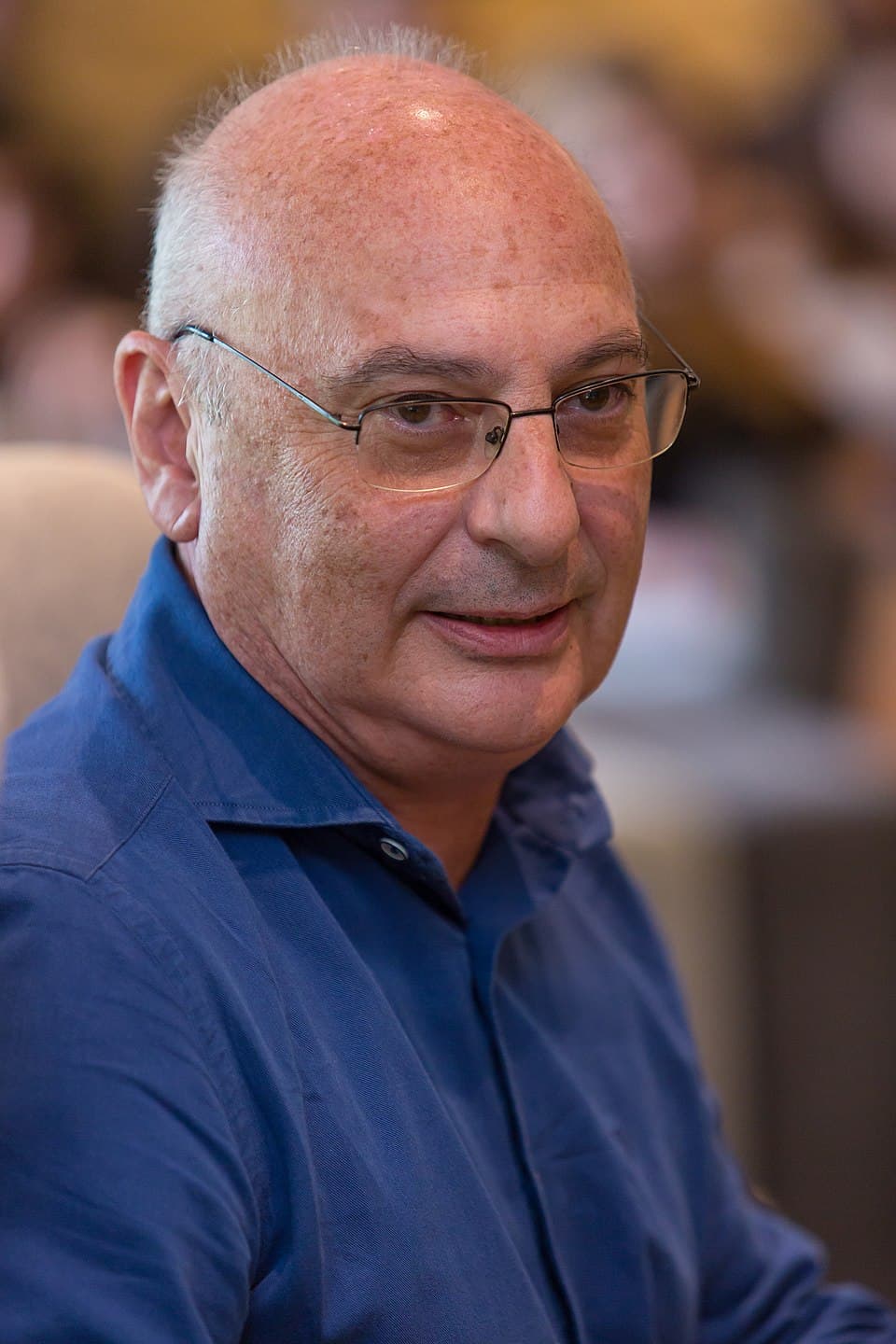
Francisco Mojica: The Unsung Hero Who Discovered CRISPR
The story of Francisco Mojica, the Spanish microbiologist who first identified CRISPR sequences, named them, and proposed their immune function -- yet was passed over for the Nobel Prize.
106 articles on gene editing and biotech
The story of Francisco Mojica, the Spanish microbiologist who first identified CRISPR sequences, named them, and proposed their immune function -- yet was passed over for the Nobel Prize.
The story of Jennifer Doudna -- from her early fascination with RNA to co-inventing CRISPR-Cas9 gene editing, winning the Nobel Prize, and shaping the ethical future of the technology.
How Cynthia Kenyon's discovery that a single gene mutation could double the lifespan of a worm transformed our understanding of aging from inevitable decline to genetically regulated process.
George Church is one of the most influential geneticists alive — a Harvard professor whose work spans from reading the human genome to resurrecting extinct species.
David Sinclair has become the public face of longevity science through his work on sirtuins, NAD+, and epigenetic reprogramming -- and through controversies that have tested his bold claims.
A deep dive into the ethical landscape of gene editing -- from the clear benefits of somatic therapy to the fraught territory of germline modification, designer babies, and the global governance gap.
The FDA's February 2026 'plausible mechanism' pathway could revolutionize how gene therapies reach patients — especially for ultra-rare diseases where traditional trials are impossible.
Victoria Gray volunteered to be the first person in the United States treated with CRISPR gene editing, and her story has become a beacon of hope for millions living with sickle cell disease.

Aubrey de Grey built a global movement to treat aging as a curable disease, popularizing radical ideas about rejuvenation that inspired a generation of longevity researchers -- before personal controversies clouded his legacy.
How lipid nanoparticles -- the same technology behind COVID-19 mRNA vaccines -- are becoming the delivery vehicle of choice for in vivo gene editing therapies.
Katalin Kariko spent decades in obscurity pursuing mRNA therapeutics despite repeated rejection and demotion, until her breakthrough enabled COVID-19 vaccines and earned her the 2023 Nobel Prize.
Demis Hassabis built DeepMind and created AlphaFold, the AI that solved protein structure prediction — earning a Nobel Prize and transforming drug discovery and gene editing.