CRISPR vs Base Editing vs Prime Editing: A Head-to-Head Comparison
A detailed comparison of CRISPR-Cas9, base editing, and prime editing — how each works, their strengths and limitations, and when to use which approach.
106 articles on gene editing and biotech
A detailed comparison of CRISPR-Cas9, base editing, and prime editing — how each works, their strengths and limitations, and when to use which approach.
An in-depth look at how CRISPR components are delivered into cells, from viral vectors and lipid nanoparticles to electroporation and next-generation virus-like particles.
How CRISPR-edited stem cells, iPSC-derived therapies, and gene-edited organoids are creating a new paradigm in regenerative medicine — from FDA-approved therapies to experimental longevity treatments.
An accessible introduction to synthetic biology — the field that applies engineering principles to living systems, with applications ranging from biofuels to programmable medicines.
How programmable RNA editing using ADAR enzymes offers a reversible, potentially safer alternative to permanent DNA modifications, and where the field stands today.
Two groundbreaking gene therapies — Casgevy and Lyfgenia — are transforming treatment for sickle cell disease. Here is how they work, how they compare, and what challenges remain.
Your birthday tells you your chronological age. Epigenetic clocks reveal your biological age — and why the difference matters for longevity science.
A comprehensive look at the CRISPR companies shaping the future of medicine in 2026, from approved therapies to next-generation editing platforms.
Base editing offers a refined approach to gene editing that avoids cutting the DNA double helix entirely — like using a pencil eraser to fix a single typo instead of cutting a page in half.
How Casgevy became the first CRISPR-based gene therapy to win FDA approval, offering a potential cure for sickle cell disease.

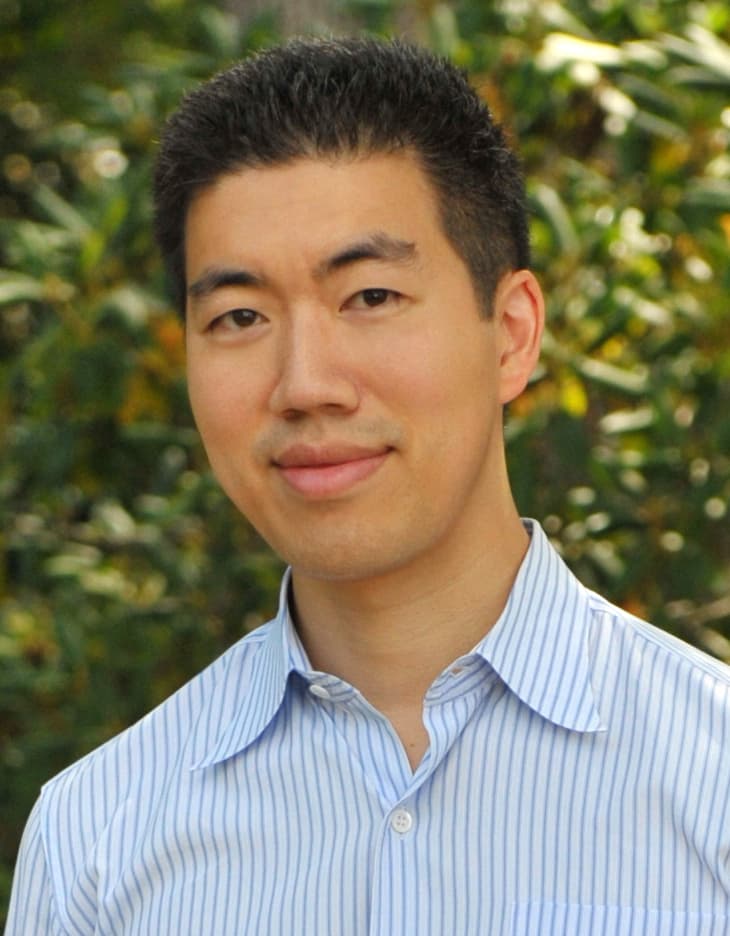
How David Liu invented base editing and prime editing, creating precision gene editing tools that go beyond traditional CRISPR.
Scientists are using Yamanaka factors and partial reprogramming to reverse cellular aging without erasing cell identity. Here is the science, the companies, and the unanswered questions.