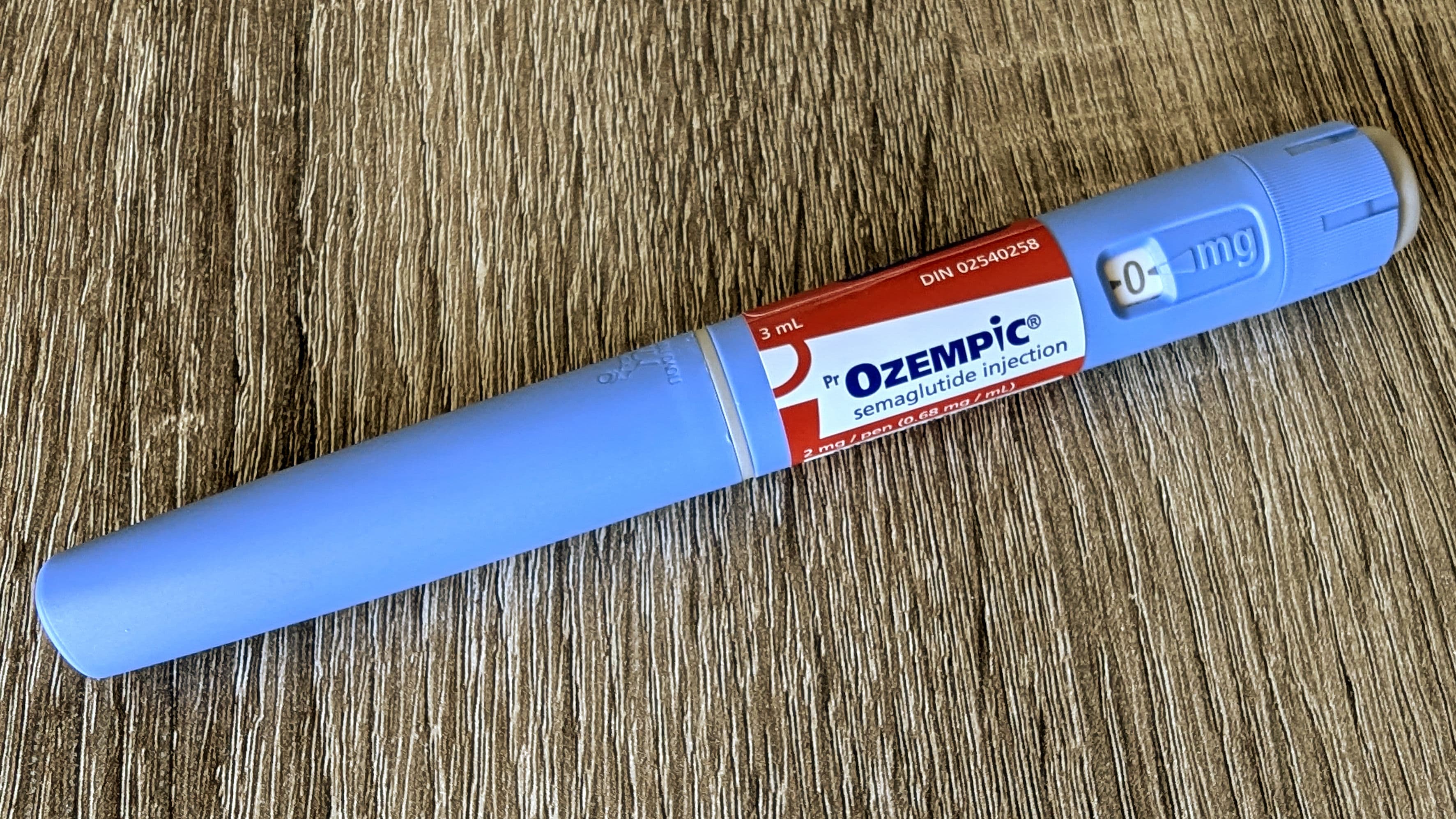
The weight-loss drug landscape has shifted dramatically in just a few years. Semaglutide (Ozempic, Wegovy) showed the world that a single peptide could produce meaningful, sustained weight loss. Tirzepatide (Mounjaro, Zepbound) raised the bar by targeting two receptors instead of one. Now Eli Lilly is testing a molecule that goes one step further: retatrutide, a peptide that activates three metabolic receptors simultaneously.
In Phase 2 clinical trials, retatrutide produced up to 24.2% body weight loss over 48 weeks — numbers that surpass anything previously reported for an anti-obesity medication. If Phase 3 results hold up, retatrutide could redefine what pharmaceutical weight management looks like. Here is what you need to know.
What Is Retatrutide?
Retatrutide (development code LY3437943) is an investigational peptide drug developed by Eli Lilly and Company. It belongs to a new class of molecules called triple agonists — meaning it activates three distinct hormone receptors in the body at the same time.
Those three targets are:
- GLP-1 receptor (glucagon-like peptide-1)
- GIP receptor (glucose-dependent insulinotropic polypeptide)
- Glucagon receptor
Each of these receptors plays a different role in metabolism, appetite regulation, and energy balance. By engaging all three, retatrutide attacks excess body weight from multiple angles — a strategy researchers sometimes call the "triple threat" approach.
Retatrutide is administered as a once-weekly subcutaneous injection, similar to semaglutide and tirzepatide. It is a single synthetic peptide engineered to bind all three receptors with carefully calibrated potency at each one.
The Three Receptors: What Each One Does
To understand why a triple agonist is so compelling, you need to understand what each receptor controls. Think of the body's metabolic machinery as a control panel with many dials. Retatrutide turns three of the most important dials at once.
GLP-1: The Appetite Brake
The GLP-1 receptor is the target behind semaglutide (Ozempic/Wegovy) and the best-studied of the three. GLP-1 is a gut hormone released after eating. When it activates its receptor, several things happen:
- Appetite decreases. GLP-1 signals the brain's hypothalamus that you are full, reducing hunger and food intake.
- Stomach emptying slows. Food stays in the stomach longer, extending the feeling of satiety after a meal.
- Insulin secretion increases. GLP-1 stimulates the pancreas to release insulin in a glucose-dependent manner, helping lower blood sugar after meals.
- Glucagon secretion decreases. This further helps control blood glucose levels.
GLP-1 receptor agonists have proven their worth in both diabetes and obesity. Semaglutide alone produces roughly 15% body weight loss over 68 weeks at the 2.4 mg dose used in the STEP clinical trials. The GLP-1 component of retatrutide provides this well-validated foundation.
GIP: The Metabolic Amplifier
The GIP receptor is the second target and the one that made tirzepatide (Mounjaro/Zepbound) stand out from its predecessor. GIP is another gut hormone, released primarily from the upper small intestine in response to food.
GIP's role in metabolism is complex and, frankly, still being untangled by researchers. What is clear is that activating the GIP receptor alongside GLP-1 amplifies weight loss beyond what GLP-1 alone achieves. Key effects include:
- Enhanced fat metabolism. GIP signaling appears to improve the body's ability to mobilize and burn stored fat, particularly in adipose tissue.
- Improved insulin sensitivity. Working alongside GLP-1, GIP helps the body use insulin more efficiently.
- Possible central nervous system effects. Emerging research suggests GIP receptors in the brain may contribute to appetite regulation in ways distinct from GLP-1.
The proof is in the numbers. Tirzepatide, which targets GLP-1 and GIP together, produced up to 22.5% weight loss at its highest dose in the SURMOUNT-1 trial over 72 weeks — a substantial improvement over semaglutide's single-agonist approach.
Glucagon: The Energy Furnace
The glucagon receptor is the third and newest piece of the puzzle. This is what makes retatrutide unique compared to everything currently approved.
Glucagon is a hormone produced by alpha cells in the pancreas. It is traditionally known as the "opposite of insulin" because it raises blood sugar by telling the liver to release stored glucose. For decades, the idea of deliberately activating the glucagon receptor seemed counterintuitive — why would you want to raise blood sugar in patients who may also have diabetes?
The answer lies in glucagon's other, less appreciated effects:
- Increased energy expenditure. Glucagon ramps up the body's metabolic rate, causing it to burn more calories at rest. This is like turning up the thermostat — the body generates more heat and uses more energy, even without additional exercise.
- Liver fat reduction. Glucagon promotes the breakdown of fat stored in the liver, a process called hepatic lipid oxidation. This is particularly significant for patients with metabolic-associated steatohepatitis (MASH), formerly known as non-alcoholic steatohepatitis (NASH).
- Appetite suppression. Glucagon has its own modest effects on reducing food intake, adding to the appetite suppression already provided by GLP-1 and GIP.
The potential concern — that glucagon could raise blood sugar — is offset by the simultaneous GLP-1 and GIP activity, which powerfully lower blood sugar. In clinical trials so far, this balance has worked: retatrutide improves glycemic control despite including glucagon receptor activation.
The Triple Threat Analogy
Imagine you want to reduce flooding in a valley. You could build a dam upstream to reduce the water flowing in — that is what GLP-1 does by cutting appetite and food intake. You could also dig channels to drain the floodplain more efficiently — that is GIP, improving how the body processes and clears stored fat. But retatrutide adds a third strategy: it installs pumps that actively push water out of the valley. That is the glucagon component, actively increasing energy expenditure and burning liver fat.
No single strategy alone is as effective as all three working together. That is the fundamental logic behind triple agonism.
Phase 2 Trial Results: The Numbers
The key data for retatrutide come from a Phase 2 randomized, double-blind, placebo-controlled trial published in The New England Journal of Medicine in 2023. The study enrolled 338 adults with obesity (BMI of 30 or greater) or overweight (BMI of 27 or greater) with at least one weight-related comorbidity.
Participants received once-weekly subcutaneous injections of retatrutide at varying doses (1 mg, 4 mg, 8 mg, or 12 mg) or placebo for 48 weeks. The results were striking:
- Placebo group: -2.1% body weight change
- 1 mg dose: -8.7% body weight loss
- 4 mg dose: -17.1% body weight loss
- 8 mg dose: -22.8% body weight loss
- 12 mg dose: -24.2% body weight loss
At the highest dose, participants lost nearly a quarter of their body weight in less than a year. Importantly, the weight loss curves at 48 weeks had not yet plateaued — meaning even greater weight loss might be achievable with longer treatment duration.
To put these numbers in context:
| Drug | Receptor Targets | Max Weight Loss | Trial Duration |
|---|---|---|---|
| Semaglutide 2.4 mg | GLP-1 | ~15% | 68 weeks |
| Tirzepatide 15 mg | GLP-1 + GIP | ~22.5% | 72 weeks |
| Retatrutide 12 mg | GLP-1 + GIP + Glucagon | ~24.2% | 48 weeks |
Retatrutide achieved higher absolute weight loss in a shorter time frame. If Phase 3 trials confirm these findings over longer durations, the gap could widen further.
Effects on Liver Fat
A particularly exciting finding from the Phase 2 data involved liver fat. In a sub-study using MRI to measure hepatic fat content, participants with fatty liver at baseline showed dramatic reductions:
- At the 12 mg dose, the mean relative reduction in liver fat was approximately 86% at 48 weeks.
- A substantial proportion of participants achieved what researchers call complete resolution of fatty liver — their liver fat dropped below the 5% threshold that defines steatosis.
This has enormous implications for MASH treatment. Currently, there is only one FDA-approved drug for MASH (resmetirom, approved in 2024), and the field desperately needs additional options. The glucagon receptor component of retatrutide appears to be driving much of this liver fat benefit, making the drug a plausible two-for-one therapy addressing both obesity and MASH.
Side Effects: What the Data Show
Retatrutide's side effect profile is broadly consistent with the GLP-1 receptor agonist drug class. The most common adverse events are gastrointestinal in nature:
- Nausea — the most frequently reported side effect, occurring in roughly 25-45% of participants depending on dose, most common during dose escalation
- Diarrhea — reported in approximately 15-25% of participants
- Vomiting — occurred in about 10-20% of participants
- Constipation — reported in some participants, though less common than nausea or diarrhea
- Decreased appetite — technically a side effect, though also a desired pharmacological action
These side effects were dose-dependent, meaning they were more frequent and sometimes more severe at higher doses. Most were mild to moderate in severity and tended to diminish over time as patients adjusted to the medication. The dose escalation protocol — starting at a low dose and gradually increasing — was specifically designed to mitigate GI side effects, a strategy proven effective with semaglutide and tirzepatide as well.
No major safety signals emerged from the Phase 2 trial that would distinguish retatrutide's risk profile from other incretin-based therapies. However, Phase 2 trials are relatively small. Phase 3 trials with thousands of participants will provide a far more complete picture of rare side effects.
Phase 3 Trials: Where Things Stand in 2026
Eli Lilly launched its Phase 3 clinical program for retatrutide, known collectively as the TRIUMPH trials, across multiple indications:
- TRIUMPH-1: Retatrutide for obesity/overweight in adults without type 2 diabetes
- TRIUMPH-2: Retatrutide for weight management in adults with type 2 diabetes
- TRIUMPH-3: Retatrutide for obesity with specific cardiovascular endpoints
- TRIUMPH-4: Retatrutide in combination with other treatments
These trials began enrolling patients in 2024 and are expected to report primary results in 2027. If successful, Eli Lilly could file for FDA approval shortly after, with a potential commercial launch in 2028 or 2029.
Separately, Lilly is also investigating retatrutide for MASH in dedicated liver-focused trials, recognizing the molecule's distinctive glucagon-mediated effect on hepatic fat.
How Retatrutide Compares: Single, Dual, and Triple
The evolution from single to dual to triple agonist represents a clear trend in obesity pharmacology — and each step up has delivered incrementally better outcomes.
Semaglutide (single agonist, GLP-1 only): Proved that targeting GLP-1 alone could produce clinically meaningful weight loss. Roughly 15% average weight loss at the highest approved dose. Now a household name through Ozempic and Wegovy.
Tirzepatide (dual agonist, GLP-1 + GIP): Showed that adding a second receptor target substantially boosts efficacy. Roughly 22.5% average weight loss. Approved as Mounjaro (diabetes) and Zepbound (obesity).
Retatrutide (triple agonist, GLP-1 + GIP + glucagon): Adds the glucagon receptor to increase energy expenditure and attack liver fat. Up to 24.2% weight loss in Phase 2, with the curve still declining. Not yet approved; Phase 3 ongoing.
The pattern is clear: more targets, more weight loss. But each additional receptor also introduces complexity. Balancing three receptor activities in one molecule requires precise molecular engineering. The glucagon component, in particular, needs to be potent enough to deliver metabolic benefits but calibrated so that the GLP-1 and GIP components prevent any unwanted blood sugar spikes. Based on Phase 2 data, Eli Lilly appears to have threaded this needle successfully.
What This Means for Patients and the Field
Retatrutide is not yet approved and cannot be prescribed. But its Phase 2 results have already reshaped expectations in the obesity and metabolic disease field. Several key takeaways:
The 25% threshold is within reach. For years, bariatric surgery was the only intervention that could produce 25%+ sustained weight loss. Retatrutide suggests that a once-weekly injection could approach — and potentially reach — that benchmark. This does not mean surgery will become obsolete (surgical weight loss can exceed 30-35%), but the gap between pharmaceutical and surgical outcomes is closing rapidly.
Liver disease treatment may come as a bonus. The glucagon-driven reduction in liver fat positions retatrutide as a potential treatment for both obesity and MASH in a single molecule. Given that the two conditions frequently coexist, this is a significant practical advantage.
Combination and personalization are coming. As the field accumulates single, dual, and triple agonists, physicians will eventually have a toolkit that allows them to match the right drug to the right patient — based on how much weight loss is needed, whether liver disease is present, tolerability, and cost.
Phase 3 is the real test. Phase 2 trials are designed to identify the right dose and get a preliminary read on efficacy. Phase 3 trials are larger, longer, and more rigorous. History is full of drugs that looked promising in Phase 2 but stumbled in Phase 3. Until the TRIUMPH program reports results, enthusiasm should be tempered with appropriate caution.
Frequently Asked Questions
When will retatrutide be FDA approved?
Retatrutide is not yet approved and remains investigational. Eli Lilly's Phase 3 TRIUMPH trials began enrolling patients in 2024 and are expected to report primary results in 2027. If successful, an FDA filing could follow shortly after, with a potential commercial launch in 2028 or 2029.
How much weight can you lose on retatrutide?
In the Phase 2 trial, participants on the highest dose (12 mg) lost an average of 24.2% of their body weight over 48 weeks -- nearly a quarter of their starting weight. Importantly, the weight loss curves had not yet plateaued at 48 weeks, suggesting even greater results may be achievable with longer treatment duration in Phase 3 trials.
Is retatrutide better than Ozempic or Mounjaro?
Based on Phase 2 data, retatrutide produced greater weight loss than both. Semaglutide (Ozempic/Wegovy) achieves roughly 15% weight loss over 68 weeks, tirzepatide (Mounjaro/Zepbound) reaches about 22.5% over 72 weeks, while retatrutide hit 24.2% in just 48 weeks. However, Phase 2 trials are smaller and shorter than Phase 3, so direct comparisons should be interpreted with caution until TRIUMPH results are available.
What are the side effects of retatrutide?
The most common side effects are gastrointestinal: nausea (25-45% of participants depending on dose), diarrhea (15-25%), vomiting (10-20%), constipation, and decreased appetite. These were dose-dependent, mostly mild to moderate in severity, and tended to diminish over time, particularly with the gradual dose escalation protocol.
How does retatrutide's triple agonist mechanism work?
Retatrutide simultaneously activates three metabolic receptors: GLP-1 (which suppresses appetite and slows stomach emptying), GIP (which enhances fat metabolism and insulin sensitivity), and the glucagon receptor (which increases energy expenditure and promotes liver fat breakdown). This triple approach attacks obesity from multiple angles -- reducing food intake, improving fat processing, and actively burning more calories at rest -- which is why it outperforms single and dual agonists in clinical trials.
The Bottom Line
Retatrutide is the most potent weight-loss peptide currently in clinical development. By activating three metabolic receptors — GLP-1 for appetite suppression, GIP for enhanced fat metabolism, and glucagon for increased energy expenditure and liver fat reduction — it achieves results that neither single nor dual agonists have matched. Its Phase 2 data showing up to 24.2% weight loss at 48 weeks, with curves still descending, set a new high-water mark for the field.
The molecule also holds promise beyond obesity, with compelling early data in fatty liver disease. If Phase 3 trials confirm these findings, retatrutide could become the most significant addition to the obesity treatment arsenal since the arrival of GLP-1 agonists themselves.
For now, it remains investigational. But the trajectory is clear: the era of multi-receptor metabolic peptides is here, and retatrutide is leading the next wave.