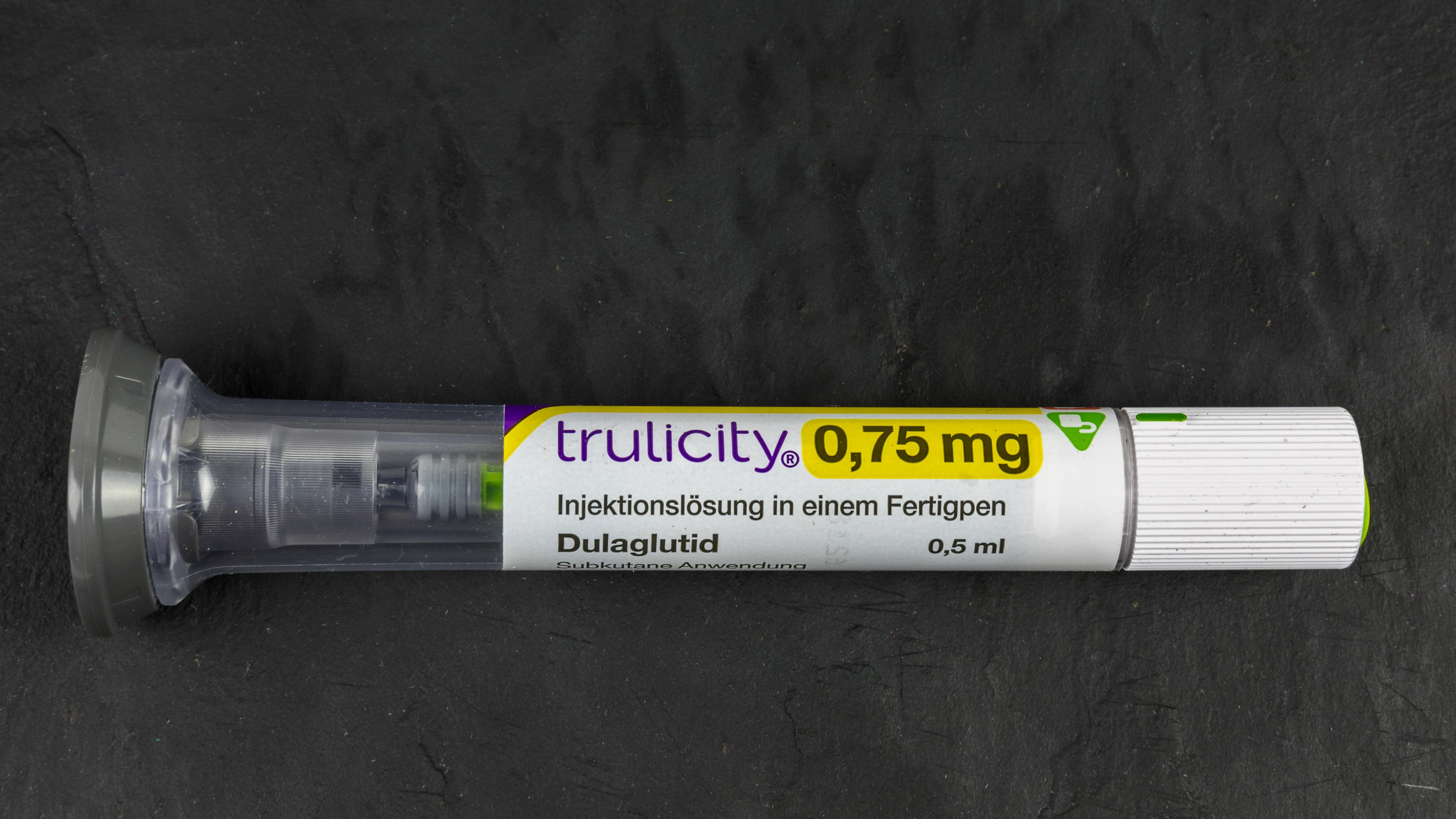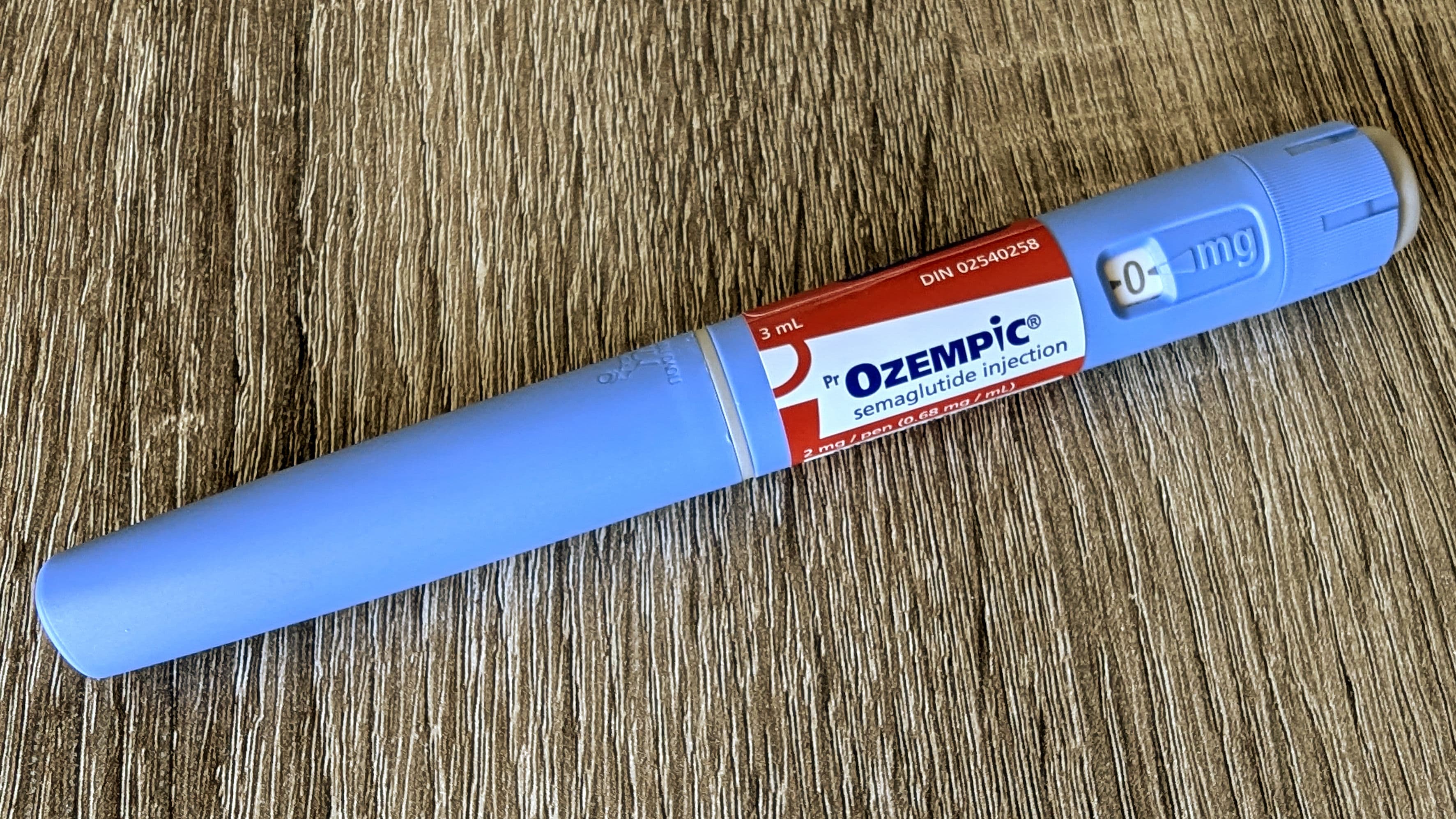
The incretin therapy landscape has transformed obesity and type 2 diabetes treatment faster than almost anyone predicted. In just a few years, we have gone from a single weekly GLP-1 injection to a pipeline of dual- and triple-agonist peptides that are redefining what pharmacological weight loss can achieve. Three drugs now dominate the conversation: semaglutide, tirzepatide, and retatrutide.
Each targets the same family of gut hormone receptors but with increasing breadth. Semaglutide activates one receptor. Tirzepatide activates two. Retatrutide activates three. More receptors does not automatically mean better for every patient, though. This article breaks down what each drug does, how they compare on real clinical endpoints, and who is likely to benefit most from each option.
The Big Picture: One, Two, and Three Receptors
Before diving into specifics, it helps to understand the biology these drugs are built on. After you eat, your gut releases hormones called incretins that tell the brain you are full, tell the pancreas to release insulin, and slow stomach emptying. The three key receptors involved are:
- GLP-1 (glucagon-like peptide-1) receptor -- reduces appetite, slows gastric emptying, increases insulin secretion, lowers glucagon
- GIP (glucose-dependent insulinotropic polypeptide) receptor -- enhances insulin secretion, may improve fat metabolism and energy expenditure
- Glucagon receptor -- increases energy expenditure, promotes fat oxidation, mobilizes glycogen stores
Semaglutide targets only GLP-1. Tirzepatide targets GLP-1 and GIP. Retatrutide targets all three. The question for patients and clinicians is whether stacking more receptor activity translates into meaningfully better outcomes -- and at what cost in side effects.
Head-to-Head Comparison Table
| Feature | Semaglutide | Tirzepatide | Retatrutide |
|---|---|---|---|
| Mechanism | GLP-1 agonist (single) | GLP-1 + GIP agonist (dual) | GLP-1 + GIP + glucagon agonist (triple) |
| Brand names | Ozempic (diabetes), Wegovy (obesity), Rybelsus (oral) | Mounjaro (diabetes), Zepbound (obesity) | Not yet branded (LY3437943) |
| Manufacturer | Novo Nordisk | Eli Lilly | Eli Lilly |
| FDA approval | Approved (2017 diabetes, 2021 obesity) | Approved (2022 diabetes, 2023 obesity) | Phase 3 clinical trials |
| Max weight loss (trials) | ~15-17% body weight (STEP trials) | ~22.5% body weight (SURMOUNT-1) | ~24.2% body weight (Phase 2) |
| Dosing | Weekly injection; 0.25 mg up to 2.4 mg | Weekly injection; 2.5 mg up to 15 mg | Weekly injection; 1 mg up to 12 mg (trial doses) |
| Oral option | Yes (Rybelsus 3-14 mg daily) | Not yet (oral formulation in development) | No |
| Common side effects | Nausea, vomiting, diarrhea, constipation | Nausea, vomiting, diarrhea (similar to semaglutide) | Nausea, vomiting, diarrhea, increased heart rate |
| Monthly cost (US) | ~$900-1,350 (brand) | ~$1,000-1,200 (brand) | Not commercially available yet |
| Cardiovascular benefit | Proven (SELECT trial) | Under investigation (SURPASS-CVOT ongoing) | Unknown |
| Diabetes indication | Yes (Ozempic) | Yes (Mounjaro) | Under investigation |
Mechanism Deep Dive
Semaglutide: The Proven Standard
Semaglutide is a modified GLP-1 peptide with a fatty acid side chain that binds to albumin in the blood, extending its half-life to roughly one week. It mimics the natural GLP-1 hormone your gut releases after eating, but at much higher and more sustained levels than the body produces on its own.
The drug works through several parallel pathways. In the hypothalamus, it activates GLP-1 receptors that suppress appetite and reduce food reward signaling. In the pancreas, it boosts glucose-dependent insulin secretion. In the stomach, it slows gastric emptying, which makes you feel full longer after meals.
Semaglutide was the first incretin therapy to prove that a GLP-1 drug could produce double-digit percentage weight loss in large clinical trials. The STEP program (Semaglutide Treatment Effect in People with Obesity) established the benchmark that every subsequent drug is measured against.
Tirzepatide: Dual Action
Tirzepatide was designed from the ground up as a dual agonist. Its single peptide chain activates both GLP-1 and GIP receptors simultaneously. The GIP component was initially controversial because early research suggested GIP might promote fat storage, but clinical results silenced the skeptics.
The GIP receptor activation appears to add metabolic benefits beyond what GLP-1 alone delivers. Animal and early human data suggest GIP signaling improves insulin sensitivity in adipose tissue, may enhance energy expenditure, and could improve lipid metabolism. The net result in trials has been consistently greater weight loss and better glucose control than semaglutide achieves at its highest approved doses.
Retatrutide: The Triple Threat
Retatrutide adds a third mechanism: glucagon receptor agonism. This is pharmacologically bold because glucagon has historically been seen as the "opposite" of insulin -- it raises blood sugar. Why would you want that in a diabetes or obesity drug?
The answer lies in glucagon's effects on energy expenditure and fat metabolism. Glucagon receptor activation increases resting metabolic rate, promotes hepatic fat oxidation, and may reduce liver fat content. When combined with the appetite-suppressing and insulin-boosting effects of GLP-1 and GIP agonism, the glucagon component appears to accelerate fat loss without causing dangerous blood sugar spikes.
In the Phase 2 trial published in the New England Journal of Medicine, retatrutide at the highest dose (12 mg weekly) produced a mean weight loss of 24.2% of body weight at 48 weeks -- the largest reduction ever reported for any anti-obesity medication in a controlled trial.
Weight Loss Results: The Numbers
Weight loss is the headline metric for these drugs, and the differences are clinically meaningful.
Semaglutide (STEP Trials)
The STEP 1 trial enrolled adults with obesity (BMI 30 or higher) or overweight (BMI 27 or higher) with at least one weight-related comorbidity. At 68 weeks on semaglutide 2.4 mg weekly plus lifestyle intervention, participants lost a mean of 14.9% of body weight compared to 2.4% with placebo. Roughly one-third of participants lost 20% or more of their body weight.
In STEP 5, the longer-term extension study, weight loss was maintained at 15.2% through 104 weeks of treatment, demonstrating durability. However, the STEP 1 extension data also showed that weight regain begins within weeks of stopping the drug, with participants regaining roughly two-thirds of their lost weight by 52 weeks after discontinuation.
Tirzepatide (SURMOUNT Trials)
The SURMOUNT-1 trial tested tirzepatide in adults with obesity or overweight. At the highest dose (15 mg weekly), participants lost a mean of 22.5% of body weight at 72 weeks. Over half the participants in the 15 mg group lost 20% or more, and more than a third lost 25% or more.
That 22.5% figure is roughly 50% greater weight loss than semaglutide achieved in comparable populations. The SURMOUNT-2 trial in people with both obesity and type 2 diabetes showed somewhat lower but still impressive results: 14.7% weight loss at the 15 mg dose at 72 weeks.
Retatrutide (Phase 2)
The Phase 2 dose-ranging study randomized 338 adults with obesity to retatrutide at various doses or placebo. At 48 weeks, the 12 mg dose group achieved a mean weight loss of 24.2%. Weight loss curves were still trending downward at week 48, suggesting that longer treatment could push the number even higher. At the 8 mg dose, weight loss was 22.8%, and at 4 mg it was 17.5%.
These are Phase 2 results with a relatively small sample size, so the numbers could shift in Phase 3 trials. But the trajectory is clear: each generation of incretin therapy is achieving greater weight reduction.
Side Effects: What to Expect
All three drugs share a common side effect profile rooted in their GLP-1 activity. The gastrointestinal effects are the main concern.
Gastrointestinal Effects
Nausea is the most common side effect across all three drugs, typically worst during dose escalation and improving over weeks to months. In the STEP trials, about 44% of semaglutide patients reported nausea at some point, compared to roughly 25% with placebo. For tirzepatide in SURMOUNT-1, nausea rates ranged from 24% to 33% depending on dose. For retatrutide in Phase 2, nausea rates were 26% to 46% depending on dose.
Vomiting and diarrhea are also common, occurring in roughly 15-25% of patients across all three drugs. Constipation affects 10-15% and tends to be more persistent than nausea.
These side effects are the primary reason patients discontinue treatment. In all three drug programs, roughly 4-7% of participants stopped treatment due to adverse events, most of which were GI-related. Slow dose titration -- starting at the lowest dose and increasing gradually over weeks -- is the standard strategy to minimize these effects.
Retatrutide-Specific Concerns
The glucagon receptor activity in retatrutide introduces a few additional considerations. Some participants experienced modest increases in heart rate (2-5 beats per minute on average), which is also seen with GLP-1 agonists but may be slightly more pronounced with the triple agonist. Small, transient increases in LDL cholesterol were observed in some dose groups, likely related to glucagon's effect on hepatic lipid metabolism. These findings will be closely monitored in Phase 3 trials.
Serious but Rare Risks
All GLP-1-based therapies carry warnings for pancreatitis, gallbladder disease (rapid weight loss increases gallstone risk), and a theoretical risk of medullary thyroid carcinoma based on animal studies (not confirmed in humans). These risks appear to be similar across all three drugs based on available data, though retatrutide's longer-term safety profile is still being established.
Cost and Access
Cost is one of the biggest real-world barriers to these therapies. In the United States, list prices for branded incretin drugs are substantial.
Semaglutide costs roughly $900 to $1,350 per month depending on the formulation (Ozempic vs. Wegovy) and pharmacy. With insurance coverage for approved indications, out-of-pocket costs are often significantly lower, and Novo Nordisk offers savings programs. The oral formulation (Rybelsus) is priced similarly. Generic semaglutide is not yet available in the US, though compounding pharmacies have been filling prescriptions with compounded semaglutide at lower cost -- a practice the FDA has been scrutinizing.
Tirzepatide costs approximately $1,000 to $1,200 per month at list price for either Mounjaro or Zepbound. Insurance coverage varies widely, particularly for the obesity indication (Zepbound) versus the diabetes indication (Mounjaro).
Retatrutide has no commercial price because it has not been approved. If it follows the pricing pattern of its predecessors, expect a similar or higher monthly cost at launch. Eli Lilly will likely position it as a premium product given its superior weight loss data.
Insurance coverage remains highly variable and often depends on whether the patient has a type 2 diabetes diagnosis (generally better coverage) versus an obesity-only indication (often denied or subject to prior authorization and step therapy requirements). The passage of anti-obesity medication coverage mandates in some states and the potential for Medicare Part D coverage are slowly improving the access landscape, but significant gaps remain.
Beyond Weight Loss: Additional Benefits
These drugs are increasingly being studied for benefits that extend well beyond the scale.
Cardiovascular Protection
Semaglutide has the strongest evidence here. The SELECT trial (2023) demonstrated that semaglutide 2.4 mg reduced major adverse cardiovascular events (heart attack, stroke, or cardiovascular death) by 20% in people with overweight or obesity and established cardiovascular disease -- even without diabetes. This was a landmark finding that expanded the rationale for prescribing semaglutide beyond weight management.
Tirzepatide's cardiovascular outcomes trial (SURPASS-CVOT) is still ongoing, with results expected in the coming years. Given its metabolic profile, many experts anticipate a positive result, but it has not yet been proven.
Retatrutide's cardiovascular effects are unknown and likely years away from being formally tested in outcomes trials.
Liver Disease (MASH/MASLD)
Metabolic dysfunction-associated steatohepatitis (MASH) is one of the most promising secondary indications for all three drugs. Semaglutide showed significant liver fat reduction and MASH resolution in Phase 2 studies. Tirzepatide demonstrated even greater reductions in liver fat content in the SYNERGY-NASH trial. Retatrutide may be particularly interesting here because glucagon receptor activation directly promotes hepatic fat oxidation -- early Phase 2 data showed dramatic reductions in liver fat, with some patients achieving near-complete normalization.
Kidney Protection
The FLOW trial showed that semaglutide slowed kidney function decline in people with type 2 diabetes and chronic kidney disease. This positions semaglutide as a renal-protective agent in addition to its metabolic benefits. Similar data for tirzepatide and retatrutide are not yet available.
Sleep Apnea
Both semaglutide and tirzepatide have shown significant improvements in obstructive sleep apnea severity in clinical trials, with reductions in the apnea-hypopnea index that rival or exceed those achieved with CPAP in some patients.
Oral Availability
One practical differentiator is the availability of an oral formulation. Rybelsus (oral semaglutide) was approved in 2019 for type 2 diabetes at doses of 7 and 14 mg daily. Novo Nordisk has been developing a higher-dose oral semaglutide (25 and 50 mg) for obesity, with Phase 3 data showing weight loss approaching that of injectable semaglutide 2.4 mg.
Oral semaglutide has limitations: it must be taken on an empty stomach with a small amount of water, and patients must wait at least 30 minutes before eating, drinking, or taking other oral medications. Bioavailability is low (roughly 1%), which is why the oral dose is so much higher than the injectable dose. Still, for patients who strongly prefer not to inject, an oral option is a significant advantage.
Eli Lilly has an oral tirzepatide formulation in development with promising Phase 1/2 data, but it is not yet approved. There is no oral retatrutide in development as of early 2026.
Who Should Choose What: A Decision Framework
Choosing between these therapies depends on individual clinical circumstances, availability, and practical considerations. Here is a simplified framework.
Semaglutide May Be Best If You:
- Have established cardiovascular disease -- semaglutide is the only drug in this class with proven cardiovascular event reduction (SELECT trial)
- Have chronic kidney disease -- the FLOW trial supports renal protection
- Prefer an oral option -- Rybelsus or the forthcoming higher-dose oral formulation avoids injections entirely
- Want the longest safety track record -- semaglutide has been on the market since 2017 with extensive real-world safety data
- Need a drug your insurance will cover -- semaglutide often has the broadest formulary inclusion
Tirzepatide May Be Best If You:
- Need maximum weight loss from an approved drug -- at 22.5%, tirzepatide currently delivers the highest weight reduction among FDA-approved options
- Have type 2 diabetes with challenging glucose control -- the dual mechanism provides superior HbA1c reduction compared to semaglutide
- Did not lose enough weight on semaglutide -- switching to tirzepatide is a reasonable step-up strategy, and real-world data suggest many patients see additional weight loss after switching
- Have MASH or significant liver fat -- early data suggest particularly strong liver fat reduction
Retatrutide May Be Best If You:
- Are willing to participate in or wait for clinical trials -- retatrutide is not yet commercially available
- Have not responded adequately to single or dual agonists -- the triple mechanism may benefit patients who are partial responders to existing therapies
- Have severe obesity requiring maximum possible weight loss -- the 24.2% weight loss in Phase 2 is the highest reported for any pharmacotherapy
- Have significant liver disease -- the glucagon component's hepatic fat oxidation effects are mechanistically compelling
Important Caveats
None of these drugs are magic pills. All three work best when combined with dietary changes and increased physical activity. All three cause weight regain when discontinued, meaning most patients will need long-term treatment. And all three are expensive, with insurance coverage that remains inconsistent and often inadequate.
Patients should also be aware that switching between these drugs is increasingly common in clinical practice. A person who starts on semaglutide and plateaus might step up to tirzepatide. As retatrutide becomes available, it could become a third-line option for non-responders.
What Comes Next
The incretin therapy field is moving fast. Beyond the three drugs compared here, several other candidates are in development, including survodutide (a dual GLP-1/glucagon agonist from Boehringer Ingelheim), orforglipron (a non-peptide oral GLP-1 agonist from Eli Lilly), and amycretin (a GLP-1/amylin dual agonist from Novo Nordisk) that showed 13.1% weight loss in just 12 weeks in Phase 1.
The direction is clear: incretin-based therapies are getting more effective, more convenient, and eventually more affordable as competition increases and patents expire. Semaglutide's composition-of-matter patent expires in 2031-2032, which will open the door to generic versions and likely drive prices down across the class.
Frequently Asked Questions
Which GLP-1 drug causes the most weight loss?
In clinical trials, retatrutide produced the highest weight loss at 24.2% of body weight at 48 weeks in the Phase 2 trial at the 12 mg dose, though this has not yet been confirmed in Phase 3 studies. Among FDA-approved options, tirzepatide leads with 22.5% body weight loss at the 15 mg dose in the SURMOUNT-1 trial at 72 weeks, compared to semaglutide's 14.9% in the STEP 1 trial at 68 weeks. Weight loss curves for retatrutide were still trending downward at 48 weeks, suggesting longer treatment could push numbers even higher.
Is tirzepatide better than semaglutide?
Tirzepatide delivers greater weight loss (22.5% vs 14.9%) and superior HbA1c reduction in type 2 diabetes compared to semaglutide at their respective highest approved doses. However, semaglutide has a broader evidence base including proven cardiovascular event reduction (SELECT trial), kidney protection (FLOW trial), an available oral formulation (Rybelsus), and the longest safety track record since its 2017 approval. The best choice depends on individual clinical priorities — maximum weight loss favors tirzepatide, while cardiovascular or kidney protection favors semaglutide.
When will retatrutide be available?
Retatrutide is currently in Phase 3 clinical trials conducted by Eli Lilly and is not yet commercially available. No FDA approval date has been announced, but based on typical Phase 3 timelines, it could potentially reach the market in 2027 or later, assuming positive trial results. Patients interested in accessing retatrutide now can only do so through participation in clinical trials.
What are the cheapest GLP-1 options?
At US list prices, semaglutide (Ozempic/Wegovy) costs roughly $900-$1,350 per month and tirzepatide (Mounjaro/Zepbound) costs approximately $1,000-$1,200 per month, though insurance coverage for approved indications can significantly lower out-of-pocket costs. Compounding pharmacies have been filling prescriptions with compounded semaglutide at lower cost, though the FDA has been scrutinizing this practice. Longer-term, semaglutide's composition-of-matter patent expires in 2031-2032, which will open the door to generic versions and likely drive prices down across the entire class.
Can you switch between GLP-1 medications?
Yes, switching between GLP-1 medications is increasingly common in clinical practice. A person who starts on semaglutide and plateaus on weight loss may step up to tirzepatide for its stronger dual-agonist effect, and real-world data suggest many patients see additional weight loss after switching. As retatrutide becomes available, it could serve as a third-line option for patients who have not responded adequately to single or dual agonists.
The Bottom Line
For patients and clinicians navigating the current landscape, the practical summary is straightforward. Semaglutide remains the best-proven option overall, with the broadest evidence base spanning weight loss, diabetes, cardiovascular protection, and kidney disease. Tirzepatide is the strongest approved option for pure weight loss and glucose control, making it the first choice for many patients with obesity or hard-to-manage type 2 diabetes. Retatrutide represents the next frontier, with the most impressive weight loss numbers yet, but it is still in clinical trials and not available outside research settings.
The good news is that all three drugs work, and they work substantially better than anything available even five years ago. The therapeutic revolution in obesity medicine is real, and it is accelerating. The challenge now is making these treatments accessible and affordable for the millions of people who could benefit from them.
This article is for informational purposes only and does not constitute medical advice. Treatment decisions should be made in consultation with a qualified healthcare provider based on individual clinical circumstances.