When semaglutide became a household name, the conversation centered almost entirely on weight loss. Ozempic and Wegovy dominated magazine covers, social media debates, and pharmacy shelves. But researchers and clinicians have known for years that glucagon-like peptide-1 (GLP-1) receptor agonists do something far more interesting than shrink waistlines. They appear to protect the heart, preserve kidney function, reduce inflammation across multiple organ systems, and even modulate reward circuits in the brain.
By early 2026, the clinical evidence has matured to the point where weight loss may turn out to be just one chapter in a much longer story. Multiple landmark trials have reported results. The FDA has granted new indications. And dozens of ongoing studies are probing whether GLP-1 drugs can treat conditions ranging from Alzheimer's disease to alcohol addiction to polycystic ovary syndrome.
This article walks through every major non-obesity application of GLP-1 receptor agonists, covering what the evidence shows, what the biological mechanisms are, and where each indication stands on the path from laboratory to clinic.
A Quick Primer: What GLP-1 Actually Does
GLP-1 is a 30-amino-acid peptide hormone produced primarily by L-cells in the small intestine in response to food intake. Its natural functions include stimulating insulin secretion, suppressing glucagon release, slowing gastric emptying, and signaling satiety to the brain. In healthy physiology, GLP-1 is degraded within minutes by the enzyme dipeptidyl peptidase-4 (DPP-4).
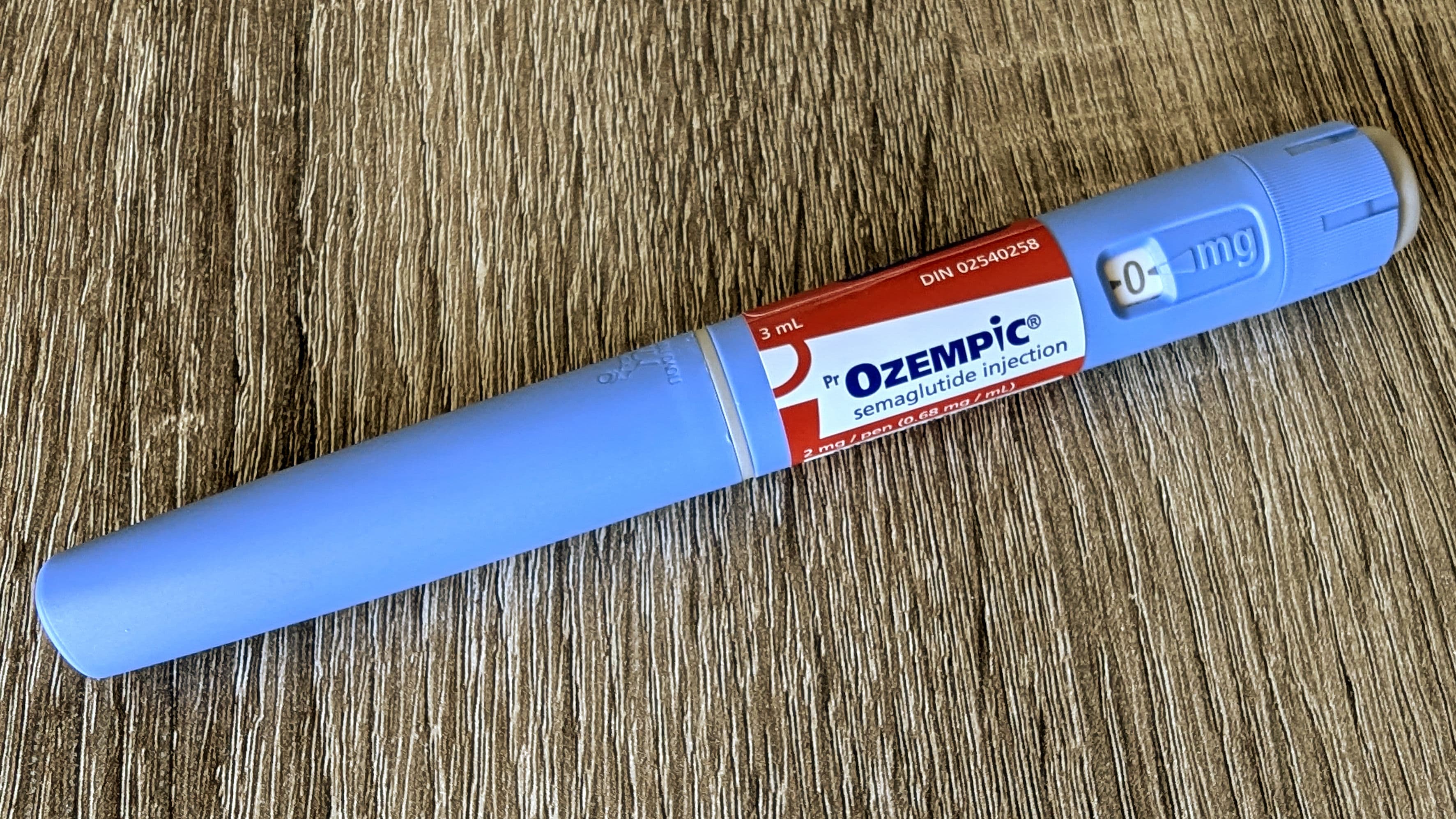
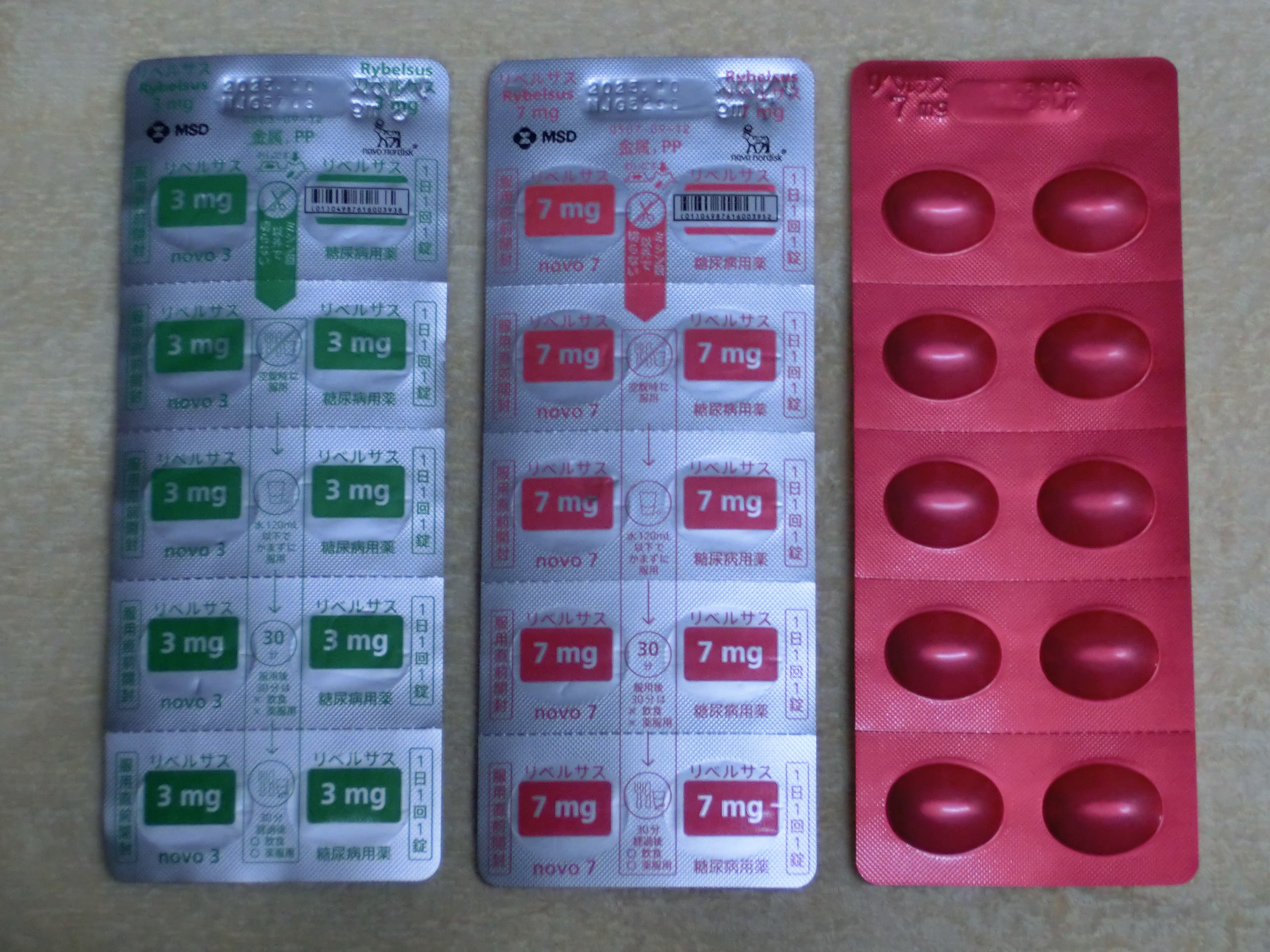
Drugs like semaglutide (Ozempic, Wegovy, Rybelsus), liraglutide (Victoza, Saxenda), dulaglutide (Trulicity), and the dual GIP/GLP-1 agonist tirzepatide (Mounjaro, Zepbound) are engineered to resist DPP-4 degradation, giving them half-lives measured in days rather than minutes. This sustained receptor activation is what produces their dramatic metabolic effects.
But GLP-1 receptors are not confined to the pancreas and gut. They are expressed in the heart, blood vessels, kidneys, liver, lungs, and multiple brain regions including the hypothalamus, hippocampus, and mesolimbic reward pathway. This widespread receptor distribution is the biological foundation for everything that follows.
Cardiovascular Disease: The SELECT Trial and a New FDA Indication
The cardiovascular story is the most mature of all the non-metabolic applications, and it fundamentally changed how clinicians think about GLP-1 drugs.
The SELECT Trial
The SELECT trial (Semaglutide Effects on Cardiovascular Outcomes in People with Overweight or Obesity; NCT03574597) was a randomized, double-blind, placebo-controlled study that enrolled 17,604 adults aged 45 or older. Crucially, participants had established cardiovascular disease (prior heart attack, stroke, or peripheral artery disease) and a BMI of 27 or greater, but they did not have diabetes. This was the key design choice: it isolated the cardiovascular effects of semaglutide from its glucose-lowering benefits.
Participants received subcutaneous semaglutide 2.4 mg weekly or placebo and were followed for a mean of 39.8 months. The primary endpoint was a composite of major adverse cardiovascular events (MACE): cardiovascular death, nonfatal myocardial infarction, or nonfatal stroke.
The results, published in the New England Journal of Medicine in November 2023, showed a 20% relative reduction in MACE (hazard ratio 0.80; 95% CI, 0.72-0.90; P < 0.001). The absolute risk reduction was 1.5 percentage points over the study period. All three components of the composite endpoint trended in favor of semaglutide, with statistically significant reductions in nonfatal myocardial infarction and nonfatal stroke individually.
Importantly, the cardiovascular benefit was observed relatively early — within the first 12 months — and persisted throughout the trial. It was also consistent across prespecified subgroups regardless of baseline BMI, age, sex, or geographic region.
The Mechanism: More Than Weight Loss
If semaglutide merely reduced cardiovascular events by helping patients lose weight, we would expect the benefit curve to track the weight-loss curve, with protection emerging gradually as pounds came off. But that is not what happened. The event curves separated early, suggesting direct biological mechanisms at work.
Several lines of evidence point to how GLP-1 receptor agonists protect the cardiovascular system:
- Anti-inflammatory effects. GLP-1 receptor activation reduces levels of C-reactive protein (CRP), interleukin-6 (IL-6), and tumor necrosis factor-alpha (TNF-alpha). In SELECT, median CRP levels dropped by roughly 38% in the semaglutide group. Chronic low-grade inflammation is a central driver of atherosclerosis, so dampening it directly slows plaque progression.
- Plaque stabilization. Preclinical studies show that GLP-1 receptor agonists reduce macrophage infiltration into arterial plaques, decrease lipid accumulation in the arterial wall, and promote a more stable plaque phenotype with thicker fibrous caps. A stable plaque is less likely to rupture and trigger a heart attack or stroke.
- Endothelial function. GLP-1 improves nitric oxide bioavailability and reduces oxidative stress in vascular endothelial cells, leading to better vasodilation and blood flow regulation.
- Blood pressure reduction. GLP-1 drugs produce a modest but consistent reduction in systolic blood pressure (typically 3-6 mmHg), which accumulates into meaningful cardiovascular protection over years.
- Lipid profile improvements. Semaglutide reduces triglycerides by 15-25% and produces modest improvements in LDL particle composition, shifting toward larger, less atherogenic particles.
FDA Approval: A New Indication
In March 2024, the FDA approved Wegovy (semaglutide 2.4 mg) for reducing the risk of cardiovascular death, heart attack, and stroke in adults with cardiovascular disease and either obesity or overweight. This was the first time a weight-management drug received a cardiovascular risk reduction indication, and it represented a landmark moment in cardiology.
The approval effectively repositioned semaglutide from a lifestyle drug into a cardioprotective medication on par with statins in terms of its public health significance. Major cardiology guidelines from the American Heart Association and European Society of Cardiology have since incorporated GLP-1 receptor agonists into their treatment algorithms for secondary cardiovascular prevention in patients with obesity.
Status: FDA-approved (March 2024). Standard of care for secondary cardiovascular prevention in eligible patients.
Heart Failure with Preserved Ejection Fraction: STEP-HFpEF
Heart failure affects over 6 million Americans, and roughly half of those patients have heart failure with preserved ejection fraction (HFpEF) — a condition where the heart pumps adequately but fills poorly, often in the context of obesity, hypertension, and metabolic dysfunction. HFpEF has historically been one of the most treatment-resistant conditions in cardiology, with very few therapies shown to improve outcomes.
The STEP-HFpEF Trial
The STEP-HFpEF trial (NCT04788511) randomized 529 patients with HFpEF and a BMI of 30 or higher to semaglutide 2.4 mg weekly or placebo for 52 weeks. Published in the New England Journal of Medicine in August 2023, the results were striking:
- Kansas City Cardiomyopathy Questionnaire (KCCQ) score (a validated measure of heart failure symptoms and quality of life): improved by 16.6 points with semaglutide versus 8.7 points with placebo (estimated treatment difference: 7.8 points; 95% CI, 4.8-10.9; P < 0.001). A 5-point change is considered clinically meaningful.
- Body weight: decreased by 13.3% with semaglutide versus 2.6% with placebo.
- 6-minute walk distance: improved by 21.5 meters more in the semaglutide group versus placebo (P < 0.001).
- CRP levels: reduced by 43.5% more with semaglutide, reinforcing the anti-inflammatory mechanism.
A companion trial, STEP-HFpEF DM (NCT04916470), evaluated the same regimen in HFpEF patients who also had type 2 diabetes, and produced similarly positive results, with significant improvements in symptoms, physical limitations, and exercise capacity.
Why This Matters
HFpEF has been called the "greatest unmet need in cardiovascular medicine." Previous trials of drugs that work in heart failure with reduced ejection fraction — ACE inhibitors, beta-blockers, angiotensin receptor blockers — largely failed in HFpEF. The pathophysiology is different: rather than a weak pump, HFpEF involves stiff, inflamed myocardium, often driven by the same metabolic and inflammatory processes that GLP-1 drugs address directly.
Semaglutide appears to tackle HFpEF from multiple angles simultaneously: reducing epicardial and systemic fat, lowering systemic inflammation, improving vascular function, decreasing cardiac loading conditions, and reversing the metabolic dysfunction that drives myocardial stiffness.
Status: Supported by Phase 3 data. FDA supplemental application under review as of early 2026. Already used off-label by many cardiologists in appropriate patients.
Chronic Kidney Disease: The FLOW Trial
Chronic kidney disease (CKD) affects approximately 37 million Americans and is a leading cause of death worldwide. Progression to end-stage kidney disease requiring dialysis is devastating, costly, and often fatal. The search for drugs that slow CKD progression has been a decades-long effort.
The FLOW Trial
The FLOW trial (Evaluate Renal Function with Semaglutide Once Weekly; NCT03819153) was a landmark study that randomized 3,533 patients with type 2 diabetes and CKD (eGFR 25-75 mL/min/1.73 m2 with albuminuria) to semaglutide 1.0 mg weekly or placebo. Most patients were already receiving standard CKD treatments including renin-angiotensin system inhibitors and SGLT2 inhibitors.
The trial was stopped early in October 2023 for overwhelming efficacy. Published in The New England Journal of Medicine in May 2024, the results showed:
- 24% reduction in the primary composite endpoint of onset of kidney failure (dialysis, transplantation, or sustained eGFR below 15), sustained 50% or greater decline in eGFR, or death from renal or cardiovascular causes (hazard ratio 0.76; 95% CI, 0.66-0.88; P = 0.0003).
- Kidney-specific events (excluding cardiovascular death) were reduced by 22%.
- Cardiovascular death was reduced by 29%.
- All-cause mortality was reduced by 20%.
- The annual rate of eGFR decline was significantly slower with semaglutide: a difference of approximately 1.16 mL/min/1.73 m2 per year, which translates into years of preserved kidney function over a patient's lifetime.
The Mechanism in Kidney Disease
The kidneys are particularly vulnerable to the combined insults of hyperglycemia, hypertension, inflammation, and obesity — all of which GLP-1 receptor agonists address. Specific renal mechanisms include:
- Reduced glomerular hyperfiltration. GLP-1 acts on the proximal tubule to promote natriuresis (sodium excretion), which reduces intraglomerular pressure through tubuloglomerular feedback. This is mechanistically similar to how SGLT2 inhibitors protect the kidney.
- Anti-inflammatory and anti-fibrotic effects. GLP-1 receptor activation reduces renal expression of transforming growth factor-beta (TGF-beta) and other fibrotic mediators, slowing the scarring process that drives CKD progression.
- Reduction of albuminuria. Semaglutide reduced urine albumin-to-creatinine ratio by approximately 24% compared to placebo, reflecting improved glomerular barrier integrity.
- Metabolic improvements. Better glycemic control, weight loss, and blood pressure reduction all contribute to renal protection, though the FLOW data suggest benefits beyond what these metabolic improvements alone would predict.
Clinical Implications
The FLOW trial established semaglutide as the first GLP-1 receptor agonist to demonstrate a primary kidney outcome benefit. In early 2025, the FDA approved an expanded indication for semaglutide to reduce the risk of kidney disease progression in patients with type 2 diabetes and CKD. This positions GLP-1 drugs alongside SGLT2 inhibitors and finerenone as the three pillars of modern CKD management in diabetic patients.
The critical question now is whether the kidney benefits extend to patients without diabetes, mirroring the SELECT cardiovascular story. Trials are underway to answer this.
Status: FDA-approved kidney indication (2025). Part of standard CKD management guidelines in patients with type 2 diabetes.
Addiction: Alcohol, Opioids, and the Reward Circuit
Perhaps the most surprising and provocative area of GLP-1 research involves addiction. Over the past several years, a convergence of preclinical neuroscience, epidemiological signals, and early clinical data has pointed to GLP-1 receptor agonists as potential treatments for substance use disorders.
The Neuroscience
GLP-1 receptors are abundantly expressed in brain regions that regulate reward and motivation, including the ventral tegmental area (VTA), nucleus accumbens, and lateral septum — collectively known as the mesolimbic dopamine pathway. This is the same circuitry hijacked by drugs of abuse and alcohol.
In animal models, GLP-1 receptor activation in these brain regions:
- Reduces alcohol consumption by 30-50% in rats bred for high alcohol preference
- Decreases cocaine self-administration and cue-induced reinstatement (a model for relapse)
- Reduces opioid self-administration and attenuates opioid-induced dopamine release in the nucleus accumbens
- Decreases nicotine intake and nicotine-seeking behavior
The proposed mechanism involves dampening of phasic dopamine signaling in the reward circuit. GLP-1 does not block the dopamine system outright (which would cause anhedonia and intolerable side effects) but rather modulates the magnitude of reward signals, effectively turning down the volume on the reinforcing properties of addictive substances.
Epidemiological Evidence
Several large retrospective cohort studies using electronic health record data have found striking associations:
- A 2023 study in Nature Medicine analyzing records from over 83,000 patients with obesity found that those prescribed semaglutide had a 40% lower incidence of alcohol use disorder compared to matched controls on other anti-obesity medications (hazard ratio 0.60; 95% CI, 0.48-0.75).
- A 2024 analysis of a large U.S. claims database found that GLP-1 receptor agonist use was associated with a 39% reduction in opioid overdose events among patients with concurrent obesity and opioid use disorder.
- Swedish registry studies have reported reduced rates of hospitalization for alcohol-related complications among patients on GLP-1 drugs.
These are observational data and subject to confounding, but the consistency of the signal across multiple independent databases, populations, and study designs makes a compelling case for prospective investigation.
Clinical Trials
Multiple randomized controlled trials are now underway:
- Semaglutide for Alcohol Use Disorder (NCT06101225): A Phase 2 trial at the University of North Carolina randomizing patients with alcohol use disorder to semaglutide or placebo, with the primary endpoint of reduction in heavy drinking days. Results expected in 2026.
- Semaglutide for Opioid Use Disorder (NCT05891483): A Phase 2 trial at the University of Pennsylvania examining semaglutide as an adjunct to standard medication-assisted treatment with buprenorphine. Primary endpoint: reduction in opioid use confirmed by urine drug screening.
- Exenatide for Alcohol Use Disorder (NCT06079853): A multicenter European trial testing the GLP-1 agonist exenatide in patients with alcohol dependence.
- Liraglutide for Smoking Cessation: Several smaller trials are examining GLP-1 drugs for nicotine addiction, building on the preclinical nicotine data.
Anecdotal reports from patients and clinicians have described dramatic reductions in alcohol craving and consumption after starting GLP-1 drugs for obesity or diabetes, though these individual accounts cannot substitute for controlled trial data.
Challenges and Caveats
Addiction research with GLP-1 drugs faces several unique challenges. Patients with active substance use disorders were typically excluded from the large cardiovascular and obesity trials, meaning we have limited safety data in this population. The gastrointestinal side effects of GLP-1 drugs (nausea, vomiting) could theoretically confound assessments of alcohol consumption. And the optimal dose for addiction indications may differ from metabolic doses.
Status: Phase 2 clinical trials ongoing. Strong preclinical and epidemiological support. No approved indications for addiction. Earliest possible approval timeline: 2028-2029.
Alzheimer's Disease and Neurodegeneration: The Brain GLP-1 Connection
The idea that a diabetes drug could treat Alzheimer's disease sounds improbable until you consider the biology. The brain is one of the most metabolically active organs in the body, and Alzheimer's disease has been described by some researchers as "type 3 diabetes" because of the profound insulin resistance and impaired glucose metabolism observed in affected brain tissue.
GLP-1 Receptors in the Brain
GLP-1 receptors are expressed throughout the central nervous system, with particularly high density in the hippocampus (the memory center), cortex, hypothalamus, and brainstem. Natural GLP-1 produced by intestinal L-cells and by neurons in the nucleus tractus solitarius can cross the blood-brain barrier, and synthetic GLP-1 agonists like semaglutide and liraglutide have been shown to penetrate brain tissue in both animal models and human imaging studies.
Preclinical Evidence
The preclinical data for GLP-1 neuroprotection is extensive and compelling:
- Amyloid pathology. In transgenic mouse models of Alzheimer's disease, liraglutide and semaglutide reduce amyloid-beta plaque burden by 30-50%, decrease soluble amyloid oligomers, and lower beta-secretase (BACE1) activity.
- Tau pathology. GLP-1 agonists reduce tau hyperphosphorylation, a hallmark of Alzheimer's and other tauopathies, through activation of the PI3K/Akt signaling pathway.
- Neuroinflammation. Treatment with GLP-1 drugs reduces microglial activation, astrocyte reactivity, and levels of pro-inflammatory cytokines in brain tissue. Neuroinflammation is increasingly recognized as a driver rather than a consequence of neurodegeneration.
- Synaptic protection. GLP-1 receptor activation enhances long-term potentiation (LTP) — the cellular basis of learning and memory — and prevents synaptic loss in Alzheimer's mouse models.
- Neurogenesis. GLP-1 promotes the proliferation and differentiation of neural progenitor cells in the hippocampus, potentially supporting brain repair.
- Insulin signaling. GLP-1 restores impaired brain insulin signaling, improving neuronal glucose uptake and energy metabolism.
Clinical Trials
The translation from preclinical promise to clinical evidence is actively underway:
- ELAD Trial (Evaluating Liraglutide in Alzheimer's Disease; NCT01843075): This Phase 2b trial at Imperial College London randomized 204 patients with mild Alzheimer's disease to liraglutide 1.8 mg daily or placebo for 12 months. Results published in 2024 showed that liraglutide reduced the rate of decline in cerebral glucose metabolism (measured by FDG-PET) by approximately 50% compared to placebo. While the trial was not powered for clinical cognitive endpoints, there was a non-significant trend toward slower cognitive decline in the treatment group.
- EVOKE and EVOKE Plus Trials (NCT04777396, NCT04777409): These are the most anticipated trials in the field. Sponsored by Novo Nordisk, EVOKE is a Phase 3, randomized, double-blind trial of oral semaglutide 14 mg daily versus placebo in approximately 1,840 patients with early Alzheimer's disease. EVOKE Plus enrolls a similar population with a longer follow-up period of up to 3 years. The primary endpoint is change from baseline in the Clinical Dementia Rating-Sum of Boxes (CDR-SB), the gold standard clinical measure of Alzheimer's progression. Top-line results from EVOKE are expected in late 2026 or early 2027.
- Semaglutide for Parkinson's Disease (NCT03659682): The Sema-PD trial is a Phase 2 study evaluating subcutaneous semaglutide in patients with early Parkinson's disease, based on preclinical evidence of dopaminergic neuroprotection. The exenatide Parkinson's trial published in The Lancet in 2017 showed a sustained improvement in motor scores, generating considerable excitement.
The Big Picture
If the EVOKE trial produces positive results, the implications would be enormous. Alzheimer's disease affects over 55 million people worldwide and currently has limited treatment options. A repurposed, well-characterized peptide drug with a manageable safety profile would be transformative — particularly because GLP-1 agonists are already mass-manufactured at scale.
However, the field has been burned before by therapies that looked promising in preclinical models and early trials but failed in larger studies. Caution is warranted until the Phase 3 data arrive.
Status: Phase 3 trials ongoing (EVOKE). Phase 2 data supportive. No approved neurological indications. High-priority research area.
MASH and Liver Disease: Tackling the Silent Epidemic
Metabolic dysfunction-associated steatohepatitis (MASH) — formerly known as nonalcoholic steatohepatitis (NASH) — affects an estimated 5-8% of the global adult population. It is characterized by liver inflammation, fat accumulation, and progressive fibrosis that can lead to cirrhosis, liver failure, and hepatocellular carcinoma. Until recently, there were no approved pharmacotherapies for MASH. Weight loss of 10% or more is the most reliable way to achieve histological improvement, making GLP-1 drugs a natural fit.
Phase 3 Data
Novo Nordisk's Phase 3 program for semaglutide in MASH has produced significant results:
- A Phase 2 trial (NCT02970942) published in the New England Journal of Medicine in 2021 showed that semaglutide 0.4 mg daily achieved MASH resolution without worsening fibrosis in 59% of patients versus 17% on placebo (P < 0.001). However, the fibrosis improvement endpoint did not reach statistical significance.
- The Phase 3 ESSENCE trial (NCT04822181) is evaluating semaglutide 2.4 mg weekly in patients with MASH and stage F2-F3 fibrosis. Interim results reported in late 2024 met the co-primary endpoint of MASH resolution without worsening of fibrosis in a significantly greater proportion of treated patients. Results on the fibrosis improvement endpoint showed a statistically significant benefit as well, marking a major advance over the Phase 2 findings.
Mechanism in MASH
GLP-1 receptor agonists address MASH through multiple pathways:
- Weight loss reduces hepatic fat content. A 10-15% weight loss typically produces 60-80% reduction in liver fat.
- Direct hepatic effects. GLP-1 receptors are expressed on hepatocytes, and receptor activation reduces hepatic de novo lipogenesis (new fat synthesis in the liver), increases fatty acid oxidation, and reduces hepatic glucose production.
- Anti-inflammatory effects. GLP-1 reduces liver expression of NF-kB and downstream inflammatory mediators, dampening the hepatic inflammation that drives progression from simple steatosis to steatohepatitis.
- Reduced insulin resistance. Improved systemic and hepatic insulin sensitivity decreases the metabolic drive toward fat accumulation in the liver.
- Gut-liver axis. GLP-1 may improve intestinal barrier function and reduce the translocation of bacterial products that contribute to hepatic inflammation.
Competitive Landscape
In March 2024, the FDA approved resmetirom (Rezdiffra), a thyroid hormone receptor-beta agonist, as the first drug specifically indicated for MASH with moderate to advanced fibrosis. Semaglutide will compete in this space, potentially with advantages related to its broader metabolic benefits (cardiovascular protection, kidney protection, weight loss) that a MASH-specific drug does not provide. Combination approaches using GLP-1 drugs alongside other agents are also under investigation.
Status: Phase 3 (ESSENCE trial) with positive interim data. FDA submission anticipated in 2026. Not yet approved for MASH.
Obstructive Sleep Apnea: SURMOUNT-OSA
Obstructive sleep apnea (OSA) affects an estimated 1 billion people worldwide, with obesity as the single strongest risk factor. Excess fat deposits in the upper airway, neck, and tongue narrow the pharynx and increase its collapsibility during sleep. Standard treatment with continuous positive airway pressure (CPAP) is effective but poorly tolerated, with adherence rates as low as 40-60%.
The SURMOUNT-OSA Trial
The SURMOUNT-OSA trial (NCT05412004) evaluated tirzepatide — the dual GIP/GLP-1 receptor agonist — in patients with moderate-to-severe OSA and obesity. The trial comprised two studies: one in patients not using CPAP (Study 1, n=234) and one in patients using CPAP who had residual disease (Study 2, n=235).
Results published in the New England Journal of Medicine in June 2024 showed:
- Apnea-hypopnea index (AHI) — the standard measure of sleep apnea severity — decreased by approximately 50-55% with tirzepatide versus 5-6% with placebo in both studies (P < 0.001).
- In Study 1, the mean AHI dropped from approximately 51 events/hour to about 24 events/hour with tirzepatide, moving many patients from severe to mild sleep apnea territory.
- Nearly 40-50% of tirzepatide-treated patients achieved an AHI below 15 events/hour (the threshold below which treatment is often considered unnecessary), versus roughly 14% on placebo.
- Patients also experienced significant improvements in hypoxic burden, oxygen saturation, sleepiness (Epworth Sleepiness Scale), and quality of life.
- Body weight decreased by approximately 18-20% with tirzepatide.
Beyond Weight: Structural Airway Changes
While much of the sleep apnea improvement is mediated by weight loss reducing mechanical obstruction, imaging studies suggest that GLP-1 drugs may also reduce tongue fat volume and parapharyngeal fat pad thickness — the specific anatomical fat deposits most responsible for airway collapse. Some researchers have also speculated about direct anti-inflammatory effects on upper airway tissue, though this remains under investigation.
In late 2024, the FDA approved Zepbound (tirzepatide) for the treatment of moderate-to-severe OSA in adults with obesity, making it the first pharmacotherapy approved for sleep apnea.
Status: FDA-approved (late 2024). First drug therapy for obstructive sleep apnea.
Polycystic Ovary Syndrome: Fertility and Hormonal Benefits
Polycystic ovary syndrome (PCOS) is the most common endocrine disorder in women of reproductive age, affecting 8-13% of this population. It is characterized by irregular menstruation, hyperandrogenism (excess male hormones), and polycystic ovarian morphology. Insulin resistance and obesity are central to the pathophysiology in a majority of patients, creating a direct rationale for GLP-1 therapy.
Emerging Evidence
While no large Phase 3 trial has been completed for GLP-1 drugs specifically in PCOS, a growing body of smaller studies and retrospective analyses paints a promising picture:
- A 2023 randomized trial of 60 women with PCOS and obesity found that liraglutide 3.0 mg daily for 26 weeks produced significant reductions in free testosterone (29% decrease vs. 5% with placebo), improvements in menstrual regularity (72% of treated patients achieved regular cycles vs. 28% on placebo), and a decrease in anti-Mullerian hormone (AMH) levels, a marker of polycystic ovarian morphology.
- A Danish registry study published in 2024 found that women with PCOS who used GLP-1 receptor agonists had significantly higher rates of spontaneous ovulation and natural conception compared to women treated with metformin alone.
- Multiple case series have reported restoration of ovulatory cycles and successful pregnancies in women with PCOS-related anovulatory infertility after starting GLP-1 drugs, though these anecdotal data need confirmation in controlled trials.
Mechanism in PCOS
The hormonal improvements in PCOS likely stem from multiple converging effects:
- Reduced insulin resistance. Hyperinsulinemia drives ovarian androgen production by stimulating theca cells. By improving insulin sensitivity, GLP-1 drugs reduce the hormonal stimulus for excess testosterone production.
- Weight loss. Even 5-10% weight loss significantly improves hormonal profiles and ovulatory function in PCOS.
- Direct ovarian effects. GLP-1 receptors have been identified on granulosa cells of the ovary, raising the possibility of direct modulation of follicular development, though this remains poorly characterized.
- Anti-inflammatory effects. Chronic low-grade inflammation contributes to ovarian dysfunction in PCOS, and the anti-inflammatory properties of GLP-1 drugs may help break this cycle.
Safety Considerations in Reproductive-Age Women
A critical issue is that GLP-1 drugs are currently not recommended during pregnancy or in women actively trying to conceive. Semaglutide carries a boxed warning based on animal data showing embryofetal toxicity. Women of reproductive age are advised to use contraception while on GLP-1 therapy and to discontinue the drug at least two months before a planned pregnancy. Paradoxically, the improved ovulatory function means that unintended pregnancies may become more likely, and clinicians are being advised to counsel patients about this "fertility rebound" effect.
Status: Phase 2 and observational data supportive. No FDA-approved PCOS indication. Multiple prospective trials are recruiting (NCT05832827 and others). Growing off-label use.
The Future: Speculative but Plausible Frontiers
The biological versatility of GLP-1 receptor signaling has researchers exploring even more distant therapeutic horizons. While the evidence for these applications is early-stage, the scientific rationale is credible.
Cancer
Obesity is an established risk factor for at least 13 types of cancer, including breast, colorectal, endometrial, kidney, and pancreatic cancers. Epidemiological analyses of GLP-1 drug users have shown reduced incidence of certain obesity-associated cancers, though separating the drug effect from the weight-loss effect is difficult.
More intriguingly, preclinical studies suggest direct anti-tumor effects of GLP-1 receptor activation in certain cancer types, including inhibition of cell proliferation, induction of apoptosis, and reduction of tumor angiogenesis. A 2024 analysis of the TriNetX research network involving over 1.6 million patients found that GLP-1 receptor agonist use was associated with reduced incidence of 10 out of 13 obesity-related cancer types, even after adjusting for BMI and diabetes status.
However, there have also been concerns. The European Medicines Agency investigated a potential signal for thyroid cancer (based on the medullary thyroid carcinoma risk seen in rodents, though epidemiological studies have not confirmed this in humans), and there was an early signal for pancreatic cancer that subsequent large analyses have not substantiated.
Large prospective trials specifically designed to evaluate cancer outcomes are not yet underway, but sub-analyses from SELECT, FLOW, and other ongoing megatrials will provide important data.
Status: Epidemiological and preclinical. No clinical trials for cancer indications. Active pharmacovigilance ongoing.
Parkinson's Disease
Beyond the Sema-PD trial mentioned above, there is a significant body of preclinical work showing that GLP-1 agonists protect dopaminergic neurons in the substantia nigra, reduce alpha-synuclein aggregation, and improve motor function in rodent and primate models of Parkinson's disease. The Phase 2 exenatide trial in Parkinson's (Athauda et al., The Lancet, 2017) showed a 3.5-point improvement in motor scores versus a 3.5-point worsening in the placebo group over 48 weeks — a 7-point difference that was sustained 12 weeks after drug washout, suggesting disease modification rather than symptomatic benefit.
A larger Phase 3 trial of exenatide in Parkinson's disease (Exenatide-PD3, NCT04232969) is underway in the UK and Europe, with results expected in 2026-2027.
Status: Phase 2 positive. Phase 3 ongoing.
Autoimmune and Inflammatory Conditions
The anti-inflammatory properties of GLP-1 receptor agonists have prompted early exploration in autoimmune diseases. Small studies have examined GLP-1 drugs in psoriasis (with improvements in skin lesion scores), inflammatory bowel disease (conflicting preclinical data), and rheumatoid arthritis (reduced joint inflammation markers in animal models). These are speculative areas with minimal clinical data, but they illustrate the breadth of potential applications stemming from a single mechanism — modulation of innate immune inflammatory pathways.
Status: Preclinical and early observational. No clinical trials for autoimmune indications.
Peripheral Artery Disease and Wound Healing
GLP-1 receptor activation improves endothelial function, promotes angiogenesis, and reduces inflammation in peripheral vascular beds. Small studies have reported improved wound healing in patients with diabetic foot ulcers treated with GLP-1 drugs, and there is interest in whether these drugs could benefit patients with peripheral artery disease more broadly.
Status: Preclinical and pilot studies. No large trials.
The Bigger Picture: A Platform Molecule
What emerges from this survey is a picture of GLP-1 receptor agonists not as single-indication drugs but as platform molecules — therapeutics with such broad biological activity that they touch nearly every major organ system and disease process linked to metabolic dysfunction and chronic inflammation.
This breadth is both the promise and the challenge. The promise lies in the possibility that a single well-tolerated medication could simultaneously reduce a patient's risk of heart attack, kidney failure, liver cirrhosis, and possibly dementia. The challenge lies in generating rigorous evidence for each indication, managing supply constraints (which have already proven severe), navigating insurance coverage barriers, and ensuring that the enthusiasm for GLP-1 drugs does not outpace the evidence.
Several structural factors will shape the next chapter of this story:
- Patent cliffs and biosimilars. Semaglutide's composition-of-matter patents begin expiring in the late 2020s, and multiple companies are developing biosimilar versions. Greater availability and lower costs could dramatically expand access.
- Oral formulations. Oral semaglutide (Rybelsus) is already approved for diabetes, but higher-dose oral formulations and oral versions of newer GLP-1 drugs are in development, which could improve patient acceptance.
- Next-generation multi-agonists. Beyond tirzepatide (GIP/GLP-1), triple agonists targeting GIP, GLP-1, and glucagon receptors (such as retatrutide) are in Phase 3 development and may offer even more potent metabolic and organ-protective effects.
- Small-molecule GLP-1 agonists. Oral, small-molecule GLP-1 receptor agonists (such as Pfizer's danuglipron and Roche's orforglipron being developed by Eli Lilly) could eventually replace injectable peptides with pills, further expanding the addressable patient population.
Summary Table: GLP-1 Indications Beyond Weight Loss
| Indication | Key Trial(s) | Key Result | Status (2026) |
|---|---|---|---|
| Cardiovascular (MACE reduction) | SELECT | 20% MACE reduction | FDA-approved (2024) |
| Heart failure (HFpEF) | STEP-HFpEF | 7.8-point KCCQ improvement | Phase 3 complete; FDA review |
| Chronic kidney disease | FLOW | 24% reduction in kidney progression | FDA-approved (2025) |
| Addiction (alcohol, opioids) | Multiple Phase 2 | Epidemiological: 40% lower AUD incidence | Phase 2 ongoing |
| Alzheimer's disease | EVOKE (Phase 3) | ELAD: 50% slower metabolic decline | Phase 3 ongoing |
| MASH/liver disease | ESSENCE | MASH resolution + fibrosis improvement | Phase 3; FDA submission expected 2026 |
| Obstructive sleep apnea | SURMOUNT-OSA | 50-55% AHI reduction | FDA-approved (2024) |
| PCOS | Multiple small trials | Improved ovulation, reduced androgens | Phase 2/observational |
| Parkinson's disease | Exenatide-PD, Sema-PD | 7-point motor score difference | Phase 2-3 |
| Cancer | Epidemiological | Reduced incidence of 10/13 cancer types | Observational only |
Frequently Asked Questions
Can GLP-1 drugs help with heart disease?
Yes, and this is now an FDA-approved indication. The SELECT trial showed that semaglutide 2.4 mg weekly reduced major adverse cardiovascular events (heart attack, stroke, or cardiovascular death) by 20% in people with obesity and established cardiovascular disease, even without diabetes. In March 2024, the FDA approved Wegovy for reducing cardiovascular risk, effectively repositioning semaglutide as a cardioprotective medication alongside statins.
Do GLP-1 medications help with addiction?
Preclinical and epidemiological evidence is compelling but no GLP-1 drug is yet approved for addiction. A 2023 study in Nature Medicine found that patients prescribed semaglutide had a 40% lower incidence of alcohol use disorder compared to matched controls, and a 2024 claims database analysis showed a 39% reduction in opioid overdose events among patients with concurrent obesity and opioid use disorder. Multiple Phase 2 randomized controlled trials for alcohol and opioid use disorders are underway, with the earliest possible approval timeline around 2028-2029.
Is semaglutide being tested for Alzheimer's?
Yes. Novo Nordisk is running the EVOKE and EVOKE Plus Phase 3 trials, which are evaluating oral semaglutide 14 mg daily in approximately 1,840 patients with early Alzheimer's disease, with top-line results expected in late 2026 or early 2027. An earlier Phase 2b trial (ELAD) showed that liraglutide reduced the rate of decline in cerebral glucose metabolism by approximately 50% compared to placebo. The biological rationale is strong, as GLP-1 receptors are highly expressed in the hippocampus and cortex, and GLP-1 agonists reduce amyloid plaques, tau pathology, and neuroinflammation in animal models.
Can GLP-1 drugs protect the kidneys?
Yes. The landmark FLOW trial demonstrated that semaglutide reduced the primary composite kidney endpoint by 24% in patients with type 2 diabetes and chronic kidney disease, including a 22% reduction in kidney-specific events and a 29% reduction in cardiovascular death. The trial was stopped early for overwhelming efficacy, and in early 2025 the FDA approved an expanded indication for semaglutide to reduce the risk of kidney disease progression in patients with type 2 diabetes and CKD. Trials are now underway to determine whether kidney benefits extend to patients without diabetes.
What non-weight-loss uses are FDA approved for GLP-1 drugs?
As of early 2026, FDA-approved non-weight-loss indications for GLP-1 receptor agonists include cardiovascular risk reduction (Wegovy, approved March 2024 based on the SELECT trial), chronic kidney disease progression (semaglutide, approved 2025 based on the FLOW trial), and moderate-to-severe obstructive sleep apnea (Zepbound/tirzepatide, approved late 2024 based on SURMOUNT-OSA). Additional indications for heart failure (HFpEF) and MASH/liver disease are in late-stage review or expected to be submitted in 2026.
The Bottom Line
The GLP-1 receptor agonist class has evolved from a diabetes treatment to a weight-loss phenomenon to what may ultimately become the broadest-spectrum cardiometabolic medication in the history of pharmacology. The evidence base is strongest for cardiovascular disease, kidney disease, and sleep apnea — all now FDA-approved indications. MASH and heart failure approvals appear imminent. Addiction and Alzheimer's represent the most tantalizing frontiers, with rigorous trials underway that could produce practice-changing results within the next two to three years.
For patients and clinicians, the practical takeaway is clear: GLP-1 drugs are not just about the number on the scale. They are emerging as protective agents for the heart, kidneys, liver, and potentially the brain — a therapeutic reach that no one predicted when the first GLP-1 agonist was approved for diabetes in 2005.
Sources & Further Reading
- Lincoff AM, Brown-Frandsen K, Colhoun HM, et al. "Semaglutide and Cardiovascular Outcomes in Obesity without Diabetes." New England Journal of Medicine. 2023;389(24):2221-2232. (SELECT trial)
- Kosiborod MN, Abildstrom SZ, Borlaug BA, et al. "Semaglutide in Patients with Heart Failure with Preserved Ejection Fraction and Obesity." New England Journal of Medicine. 2023;389(12):1069-1084. (STEP-HFpEF)
- Perkovic V, Tuttle KR, Rossing P, et al. "Effects of Semaglutide on Chronic Kidney Disease in Patients with Type 2 Diabetes." New England Journal of Medicine. 2024;391(2):109-121. (FLOW trial)
- Malhotra A, Grunstein RR, Gao L, et al. "Tirzepatide for the Treatment of Obstructive Sleep Apnea and Obesity." New England Journal of Medicine. 2024;391(13):1193-1205. (SURMOUNT-OSA)
- Wang W, Volkow ND, Bhatt DL, et al. "Association of Semaglutide with Risk of Alcohol Use Disorder in Patients with Obesity." Nature Medicine. 2023.
- Edison P, Femminella GD, Ritchie CW, et al. "Liraglutide in Alzheimer's Disease: Results of the ELAD Trial." Alzheimer's Research & Therapy. 2024.
- Athauda D, Maclagan K, Skene SS, et al. "Exenatide once weekly versus placebo in Parkinson's disease: a randomised, double-blind, placebo-controlled trial." The Lancet. 2017;390(10103):1664-1675.
- Newsome PN, Buchholtz K, Cusi K, et al. "A Placebo-Controlled Trial of Subcutaneous Semaglutide in Nonalcoholic Steatohepatitis." New England Journal of Medicine. 2021;384(12):1113-1124.
- Novo Nordisk. EVOKE and EVOKE Plus trial registrations. ClinicalTrials.gov identifiers: NCT04777396, NCT04777409.
- FDA Prescribing Information. Wegovy (semaglutide) injection. Revised March 2024.
- American Diabetes Association. "Standards of Care in Diabetes — 2026." Diabetes Care. 2026;49(Supplement 1).
- Drucker DJ. "The GLP-1 Journey: From Discovery to Clinical Impact." Journal of Clinical Investigation. 2024;134(2):e175634.