For millions of people prescribed Wegovy (semaglutide) for weight management, the routine has been the same: uncap a prefilled pen, pinch some skin, and inject once a week. It works remarkably well, but the needle is a dealbreaker for a surprising number of patients. Studies estimate that up to 20% of people who could benefit from injectable GLP-1 therapies never start them because of needle phobia or simple reluctance.
That barrier dropped in January 2026 when Novo Nordisk launched oral Wegovy -- a once-daily 50 mg semaglutide tablet approved by the FDA for chronic weight management in adults with obesity or overweight with at least one weight-related comorbidity. It is the first oral GLP-1 receptor agonist approved specifically for weight loss, and it represents a genuine turning point in how these therapies reach patients.
This article breaks down what oral Wegovy is, how it works, how it compares to the injection, and who stands to benefit most.
What Is Oral Semaglutide and Where Did It Come From?
Semaglutide is a GLP-1 receptor agonist -- a synthetic version of a natural gut hormone called glucagon-like peptide-1. When you eat a meal, your intestine releases GLP-1, which tells your pancreas to produce insulin, slows stomach emptying, and signals your brain that you are full. Semaglutide is an enhanced version of that hormone, engineered to last much longer in the body than the natural form.
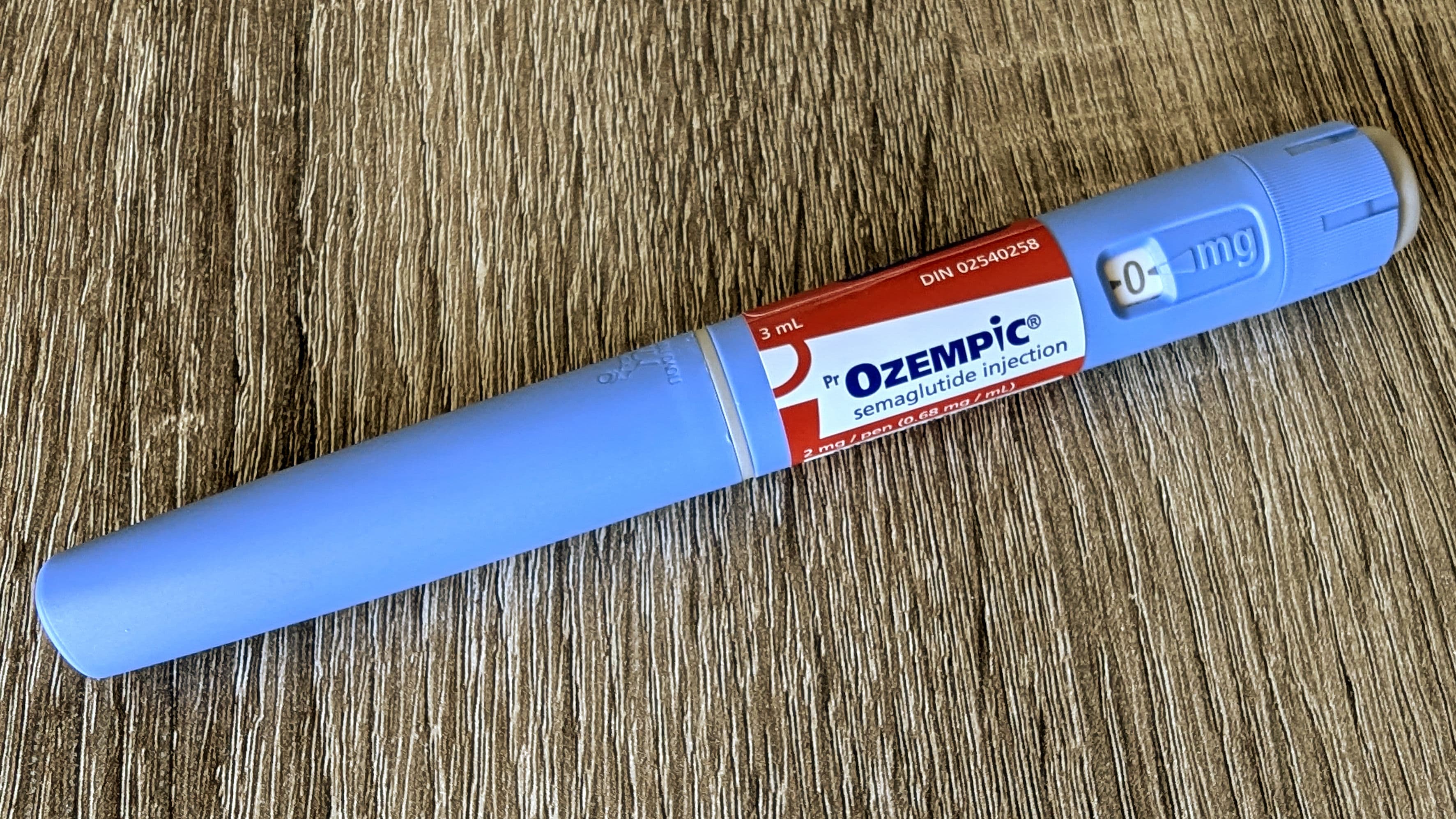
Injectable semaglutide has been on the market since 2017. Novo Nordisk sells it under two brand names: Ozempic (for type 2 diabetes, doses up to 2 mg weekly) and Wegovy (for weight management, at the 2.4 mg weekly dose). Both are subcutaneous injections given once a week.
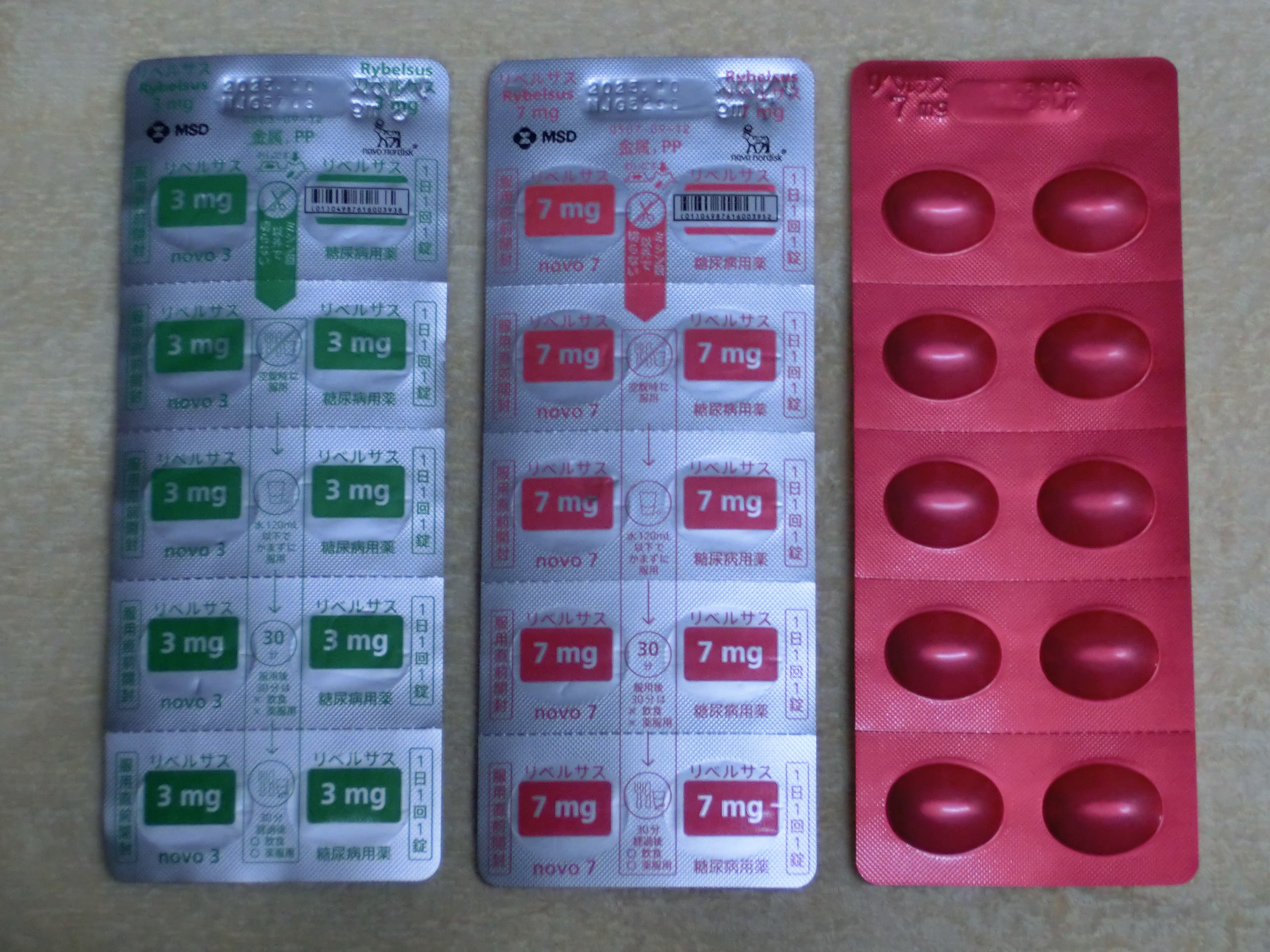
The oral version is not entirely new either. In 2019, the FDA approved Rybelsus (oral semaglutide at 7 mg and 14 mg doses) for type 2 diabetes. Rybelsus proved that a peptide drug could survive the harsh environment of the stomach and reach the bloodstream in pill form -- something that was considered nearly impossible a decade ago. But the Rybelsus doses were too low to produce the dramatic weight loss seen with high-dose injectable Wegovy.
Oral Wegovy at 50 mg daily is the weight-loss-optimized formulation. It delivers enough semaglutide through a pill to rival the efficacy of the 2.4 mg weekly injection.
How Does a Peptide Survive Your Stomach?
This is the central engineering challenge, and the answer is a molecule called SNAC (sodium N-[8-(2-hydroxybenzoyl) amino] caprylate). Think of SNAC as a bodyguard for semaglutide inside your stomach.
Here is the problem: peptide drugs like semaglutide are essentially small proteins. Your stomach is designed to destroy proteins -- that is its job. Hydrochloric acid drops the pH to around 1.5, and enzymes like pepsin chop proteins into fragments. If you swallowed plain semaglutide, almost none of it would make it into your blood.
SNAC solves this in two ways. First, it creates a tiny local buffer zone around the tablet as it dissolves, temporarily raising the pH right at the stomach lining. This protects semaglutide from acid degradation in the immediate vicinity of the absorption site. Second, SNAC enhances the transcellular transport of semaglutide across the stomach epithelium -- it essentially helps semaglutide slip through the cells lining the stomach wall and into the bloodstream.
Think of it like smuggling a VIP through a hostile border crossing. The SNAC creates a small, temporary safe zone at one checkpoint (the stomach wall), shields the VIP (semaglutide) from the guards (acid and enzymes), and escorts it through the gate (the epithelial cells) before the window closes.
This is why the dosing instructions are so specific. Oral Wegovy must be taken:
- On an empty stomach, first thing in the morning
- With no more than 4 ounces (120 mL) of plain water
- At least 30 minutes before eating, drinking, or taking other oral medications
Food in the stomach interferes with the SNAC absorption process. Even coffee or a glass of juice can reduce how much semaglutide gets absorbed. The 30-minute fasting window is not a suggestion -- it is critical for the drug to work properly.
The OASIS Trials: How Effective Is the Pill?
The evidence for oral Wegovy comes from the OASIS clinical trial program (Oral Semaglutide Advancing Science, Innovation, and Solutions), a series of Phase 3 randomized controlled trials that enrolled thousands of adults with obesity or overweight.
OASIS 1: The Headline Trial
OASIS 1 enrolled 667 adults with obesity (BMI of 30 or higher) or overweight (BMI of 27 or higher) with at least one weight-related comorbidity. Participants were randomized to oral semaglutide 50 mg daily or placebo, both alongside lifestyle intervention (diet counseling and exercise guidance).
Results at 68 weeks:
- Oral semaglutide group lost an average of 15.1% of body weight from baseline
- Placebo group lost 2.4%
- 85% of oral semaglutide patients achieved at least 5% weight loss (vs. 26% on placebo)
- 69% achieved at least 10% weight loss
- 54% achieved at least 15% weight loss
For context, the injectable Wegovy Phase 3 program (the STEP trials) showed an average weight loss of roughly 14.9% to 16.9% depending on the specific trial and population. The oral formulation lands squarely in that range.
OASIS 4: Head-to-Head With the Injection
Perhaps the most informative trial was OASIS 4, which directly compared oral semaglutide 50 mg daily against injectable semaglutide 2.4 mg weekly in adults with obesity. At 68 weeks:
- Oral semaglutide: approximately 15.0% body weight loss
- Injectable semaglutide: approximately 17.0% body weight loss
The injection maintained a roughly 2-percentage-point edge, and the trial confirmed statistical non-inferiority of the oral formulation to the injection. In practical terms, the difference between losing 15% and 17% of body weight is clinically modest. For a 220-pound person, that is the difference between losing 33 pounds and 37.4 pounds -- meaningful on a population level, but for an individual patient, both outcomes represent a substantial health improvement.
Other OASIS Trials
- OASIS 2 studied oral semaglutide in adults with type 2 diabetes and obesity, showing significant weight loss and improved glycemic control
- OASIS 3 compared oral semaglutide 50 mg to the lower-dose oral semaglutide (Rybelsus 14 mg), confirming the 50 mg dose provides substantially greater weight loss
- OASIS 5 examined cardiovascular outcomes (results pending full publication)
Pill vs. Injection: A Side-by-Side Comparison
Here is how the two formulations stack up across the dimensions that matter most to patients.
Efficacy
- Injection (Wegovy 2.4 mg weekly): ~15-17% body weight loss in Phase 3 trials
- Oral (Wegovy 50 mg daily): ~15% body weight loss in Phase 3 trials
- Verdict: The injection has a slight edge, but both produce clinically meaningful weight loss. The gap is narrow enough that convenience and adherence factors can easily tip the balance.
Convenience and Adherence
- Injection: Once weekly. Requires a prefilled pen, proper storage (refrigerated until first use), and willingness to self-inject.
- Oral: Once daily. Requires strict empty-stomach dosing with limited water, then a 30-minute fast before eating or drinking anything else.
- Verdict: Neither is perfectly convenient. The pill eliminates needles but introduces a demanding daily morning routine. The injection is less frequent but requires needle comfort. For patients with needle phobia, the pill is transformative. For patients who travel frequently or have unpredictable morning schedules, the weekly injection may actually be simpler.
Side Effects
Both formulations share the same core side-effect profile because the active molecule is identical. The most common adverse events are gastrointestinal (GI):
- Nausea -- the most frequently reported side effect for both. Typically worst during dose escalation and tends to diminish over weeks to months.
- Vomiting
- Diarrhea
- Constipation
- Abdominal pain
In the OASIS trials, GI side effects with oral semaglutide were broadly similar in nature and frequency to those seen with the injection in the STEP trials. Some data suggest that the daily oral dosing may produce a slightly more constant level of GI stimulation compared to the weekly injection's peak-and-trough pattern, but the clinical difference is subtle. Most patients who tolerate one formulation will tolerate the other.
Serious adverse events (pancreatitis, gallbladder disease, thyroid C-cell concerns) carry the same warnings for both formulations.
Cost
- Injectable Wegovy: list price in the US is approximately $1,350 per month (before insurance or savings programs)
- Oral Wegovy: launched at a comparable list price, though Novo Nordisk has signaled that the oral formulation may eventually offer cost advantages at manufacturing scale
- Verdict: At launch, cost is roughly equivalent. Insurance coverage varies. Over time, oral formulations are generally cheaper to manufacture than biologics requiring sterile fill-finish processes, so the oral version may develop a price advantage.
Dose Escalation
Both formulations use a gradual dose escalation schedule to minimize GI side effects:
- Oral Wegovy: Start at 3 mg daily for 4 weeks, then step up through 7 mg, 14 mg, and 25 mg before reaching the maintenance dose of 50 mg daily. The full escalation takes about 16-20 weeks.
- Injectable Wegovy: Start at 0.25 mg weekly, escalating through 0.5 mg, 1.0 mg, and 1.7 mg to reach the 2.4 mg maintenance dose over about 16-20 weeks.
The timelines are similar. Skipping dose escalation steps with either formulation significantly increases the risk of nausea and vomiting.
Who Is Oral Wegovy Best For?
Not every patient should automatically switch to (or start with) the pill. Here are the scenarios where oral Wegovy makes the most sense.
Needle-Phobic Patients
This is the clearest win. Trypanophobia (fear of needles) affects an estimated 20-25% of adults to some degree. For patients who have been avoiding GLP-1 therapy entirely because of injection anxiety, oral Wegovy removes the barrier completely. No needles, no injection sites, no sharps disposal.
Maintenance After Injection-Driven Weight Loss
Some clinicians are exploring a "step-down" strategy: start patients on injectable Wegovy (or even tirzepatide) for aggressive initial weight loss, then transition to oral semaglutide for long-term maintenance. The logic is that the slightly higher efficacy of the injection drives the initial weight loss phase, while the convenience of a daily pill supports years-long adherence during maintenance. This approach has not been validated in a dedicated clinical trial yet, but it reflects how the medications are being used in real-world practice.
Patients Who Want Simplicity in Public
Injectable GLP-1 pens are discreet, but some patients feel self-conscious about injecting in social or workplace settings. A pill taken at home first thing in the morning is completely invisible to others.
Patients Who Struggle With Weekly Scheduling
Missing a weekly injection dose is easy to do during travel, holidays, or schedule disruptions. A daily pill, while more frequent, can become part of an automatic morning routine that some patients find easier to maintain.
Can You Switch Between Pill and Injection?
Yes, though it should be done under medical supervision. The transition is not a direct 1:1 swap because the pharmacokinetics differ (daily oral absorption vs. weekly subcutaneous depot). Clinicians typically allow a washout period or time the switch around the injection schedule.
If switching from injection to oral: start the oral tablets the day after the next scheduled injection would have been due, beginning at the 25 mg or 50 mg oral dose (depending on the clinician's judgment), since the patient is already tolerating full-dose semaglutide.
If switching from oral to injection: the first injection is typically given the day after the last oral dose. Again, patients already tolerating the maintenance oral dose can usually start at a higher injection dose without repeating the full escalation.
The key point: do not take both simultaneously. The total semaglutide exposure would be excessive and would likely cause severe GI side effects.
Common Questions
Does the pill work as well as the shot?
Nearly. Clinical trials show the oral 50 mg formulation produces about 15% body weight loss compared to roughly 17% for the 2.4 mg injection. For most patients, this difference is clinically modest. The best medication is the one a patient actually takes consistently, and for many, that will be the pill.
What happens if I eat or drink before the 30-minute window?
Absorption drops significantly. Food and beverages (other than the small amount of plain water used to swallow the tablet) interfere with SNAC's ability to shuttle semaglutide through the stomach lining. If you regularly eat too soon, you may not get enough drug into your system to produce the expected weight loss.
Are the GI side effects worse with the pill?
Not significantly. The side-effect profiles are comparable across the OASIS and STEP trial programs. Some patients report that daily dosing produces more consistent low-grade nausea compared to the injection's pattern of nausea peaking a day or two after the shot and then fading, but overall tolerability is similar.
Will insurance cover oral Wegovy?
Coverage is evolving rapidly. Many insurers that already cover injectable Wegovy are extending coverage to the oral formulation. Medicare Part D coverage for anti-obesity medications remains a separate and politically active issue. Check with your specific plan.
The Bigger Picture: Why an Oral GLP-1 Matters
The launch of oral Wegovy is not just about one more option on a prescription pad. It signals a structural shift in peptide therapeutics -- the idea that drugs which were once considered "injection-only" can be reformulated for oral delivery.
For decades, the pharmaceutical industry treated peptides and small proteins as inherently non-oral. They are too large to passively diffuse across the gut lining, too fragile to survive stomach acid, and too easily degraded by digestive enzymes. The SNAC absorption enhancer technology proved that these barriers can be overcome for at least some peptides. Novo Nordisk has spent over a decade refining this platform, starting with Rybelsus and culminating in the 50 mg oral Wegovy formulation.
This matters beyond semaglutide. If oral delivery can work for a 4,114-dalton peptide like semaglutide, the approach may extend to other peptide therapeutics -- GIP receptor agonists, amylin analogs, and potentially even some gene-editing delivery challenges where oral bioavailability of targeting ligands could expand access.
For patients, the immediate impact is simpler: more people will now start and stay on GLP-1 therapy. Adherence to chronic medications drops dramatically when injections are involved. Oral formulations historically achieve higher long-term adherence rates than injectables for the same drug class. If that pattern holds for GLP-1 agonists, oral Wegovy could meaningfully expand the number of patients who actually benefit from these therapies, not just the number who fill a first prescription.
Frequently Asked Questions
Is oral Wegovy as effective as the injection?
Nearly. In the OASIS 4 head-to-head trial, oral semaglutide 50 mg produced approximately 15.0% body weight loss compared to 17.0% for the 2.4 mg weekly injection at 68 weeks. The trial confirmed statistical non-inferiority, and for most patients the roughly 2-percentage-point difference is clinically modest.
Can you switch from Wegovy injection to the pill?
Yes, but the switch should be done under medical supervision. When transitioning from injection to oral, you typically start the oral tablets the day after the next scheduled injection would have been due, beginning at the 25 mg or 50 mg oral dose since your body is already tolerating full-dose semaglutide. You should never take both formulations simultaneously, as the combined semaglutide exposure would likely cause severe GI side effects.
Does oral semaglutide need to be taken on an empty stomach?
Yes, this is critical and not optional. Oral Wegovy must be taken first thing in the morning on an empty stomach with no more than 4 ounces (120 mL) of plain water, followed by at least 30 minutes of fasting before eating, drinking, or taking other oral medications. Food and beverages interfere with the SNAC absorption enhancer technology that allows semaglutide to survive your stomach acid and reach the bloodstream.
How much does oral Wegovy cost per month?
At launch, oral Wegovy carries a list price of approximately $1,350 per month, comparable to the injectable formulation. Insurance coverage varies by plan, and Novo Nordisk has signaled that the oral version may eventually offer cost advantages at manufacturing scale since oral formulations are generally cheaper to produce than injectable biologics.
What are the side effects of oral semaglutide?
The most common side effects are gastrointestinal -- nausea (the most frequently reported), vomiting, diarrhea, constipation, and abdominal pain. These are broadly similar in nature and frequency to the injectable formulation since the active molecule is identical. Most GI side effects are worst during the 16-20 week dose escalation period and tend to diminish over time as patients adjust to the medication.
The Bottom Line
Oral Wegovy is not a revolution in efficacy -- the injection still holds a slight edge in raw weight-loss numbers. But it is a revolution in access and adherence. A once-daily pill that produces ~15% body weight loss, with a side-effect profile comparable to the injection, eliminates the single biggest practical barrier to GLP-1 therapy for millions of patients.
The strict dosing requirements (empty stomach, limited water, 30-minute fast) are a real trade-off, and patients should go in with clear expectations about the morning routine. But for people who have been putting off GLP-1 treatment because of needles, or who want a simpler long-term maintenance strategy, oral Wegovy is exactly the option they have been waiting for.
The era of injection-only GLP-1 therapy is over. The peptide pill has arrived.