Roughly 4,000 years ago, on a fog-bound speck of land in the East Siberian Sea called Wrangel Island, the last woolly mammoth died. We don't know if she was old or sick, alone or in the dwindling company of others. We know the herd had shrunk to a few hundred animals, isolated from the mainland after sea levels rose at the end of the last Ice Age. We know their genomes had begun to crumble — inbreeding had produced a "genomic meltdown" of harmful mutations, costly to body and mind. And we know that, when she fell, the species Mammuthus primigenius fell with her. The pyramids at Giza had already been standing for six centuries.
Cut to a glass-walled lab in Dallas, Texas, in 2026. Inside an incubator, a thin pink wash of culture media bathes a colony of cells. They are Asian elephant cells — but their genomes have been edited at dozens of loci to carry mammoth-specific variants for hair density, fat metabolism, cold-tolerant hemoglobin, and ear morphology. Down the hall, induced pluripotent stem cells from another elephant donor are being coaxed toward differentiation. On the wall, a printed timeline reads: "First calves: 2028."
This is Colossal Biosciences, the most ambitious — and most controversial — biotech start-up in the world. Co-founded in 2021 by serial entrepreneur Ben Lamm and Harvard geneticist George Church, the company has raised more than $400 million on a single audacious premise: that the woolly mammoth, last seen on a misty island during the Bronze Age, can walk the Arctic again. Not through cloning. Through gene editing.
The goal is not a perfect copy. The plan is to take Elephas maximus, the Asian elephant, and rewrite key segments of its genome until the resulting animal looks and behaves enough like a mammoth to survive in the cold. Whether that hybrid counts as a "resurrected" mammoth is a question scientists, ethicists and the public are still arguing about. But the underlying science — multiplex CRISPR editing, ancient DNA reconstruction, induced pluripotent stem cells, advanced reproductive biology — is real, and it is moving fast.
This is how Colossal plans to do it, what's already worked, and what could still go wrong.
The Woolly Mammoth: A Quick Biology Refresher
The woolly mammoth, Mammuthus primigenius, was not a hairier elephant. It was a creature exquisitely engineered for the Pleistocene cold. It diverged from the lineage leading to modern Asian elephants roughly 6 million years ago, then radiated across the so-called Mammoth Steppe — a vast, dry grassland that stretched from Spain across Siberia and over the Bering land bridge into Alaska, Yukon, and the American Midwest. At its height, the steppe supported one of the largest assemblages of megaherbivores the planet has ever seen.
What set the woolly mammoth apart from its tropical cousins was a stack of specific cold-weather adaptations:
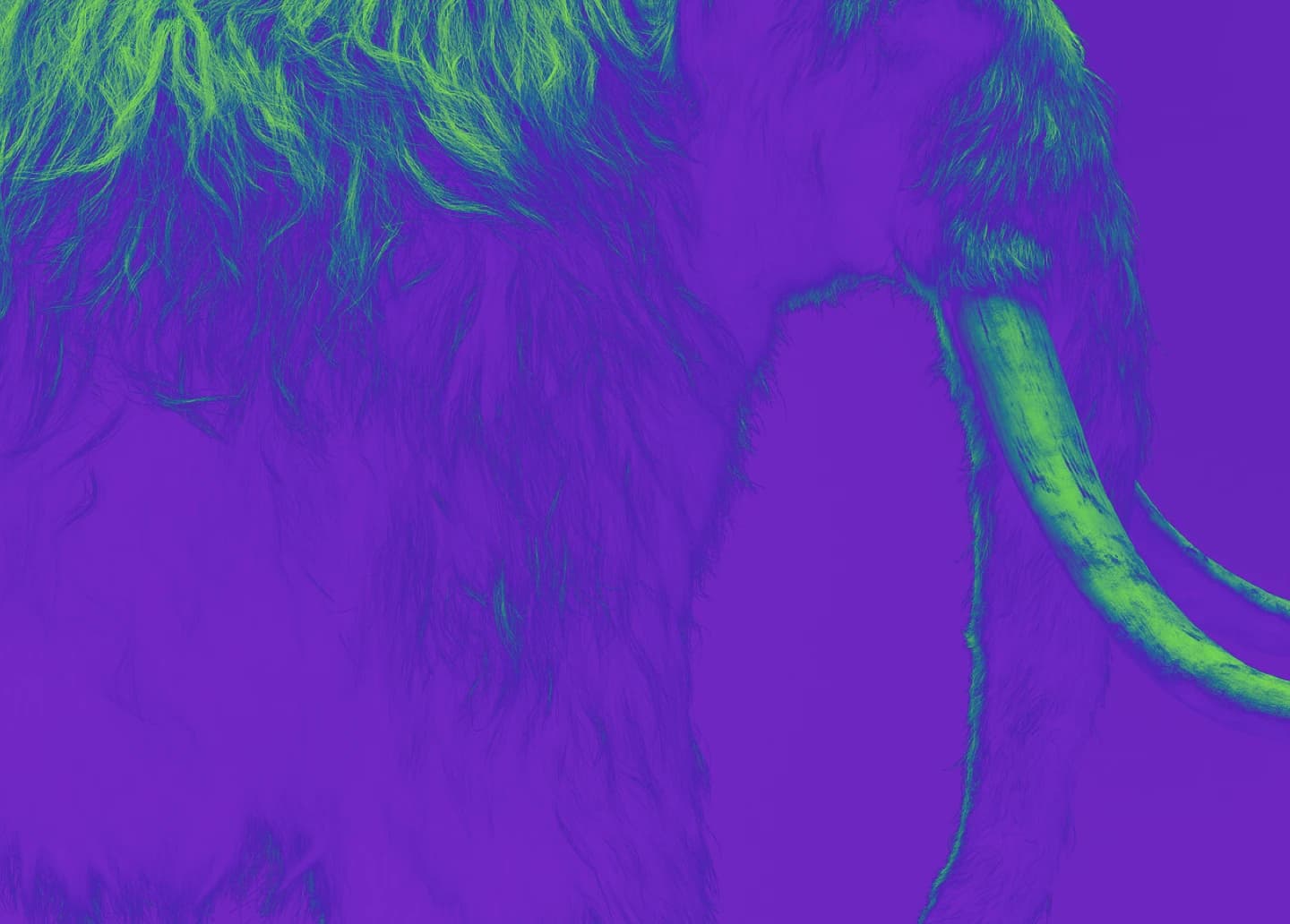
- Two-layer pelage. A coarse outer coat of guard hairs up to 90 cm long, shedding rain and snow, atop a fine, dense undercoat of insulating wool. Sebaceous glands produced an oily secretion that waterproofed the fur — important for an animal that swam, fed on snow-covered grasses, and weathered the Siberian winter.
- Reduced surface area. Small ears (a fraction the size of an African elephant's), a short tail, and a stocky body plan minimized heat loss. The ears alone are diagnostic; in the freezing air of the Mammoth Steppe, the floppy radiator-ears of a modern Loxodonta africana would have been frostbitten in days.
- Subcutaneous fat and brown adipose tissue. A thick fat layer under the skin provided insulation and energy reserves; brown fat enabled non-shivering thermogenesis.
- Cold-tolerant hemoglobin. A handful of amino acid substitutions in the HBB gene altered how oxygen bound and released from red blood cells. In modern elephants, hemoglobin works best near body temperature; mammoth hemoglobin retained efficient oxygen delivery in the cold extremities, where blood temperature could plunge.
- High-domed skull and curved tusks. Long, recurved tusks — sometimes more than 4 m in length — were used to sweep snow off forage and likely in display and defense. The skull profile is so distinctive it can be identified from a single fragment.
These traits did not all evolve at once. They accumulated over millions of years across multiple mammoth species (M. trogontherii, M. columbi, M. primigenius and others) as climate cycles forced repeated adaptation. By the late Pleistocene, the woolly mammoth was perhaps the most cold-specialized large mammal that has ever lived.
Then, between roughly 14,000 and 4,000 years ago, almost all of them disappeared. The retreating ice, a warming and wetting climate that reshaped the steppe into wet tundra and forest, and a steadily expanding human hunter — likely all three — drove the species into extinction. Wrangel Island held out longest, but only because it was a refuge, not because the mammoths there were thriving.
Why the Asian Elephant Is the Key
You cannot clone a woolly mammoth. There is no such thing as an intact mammoth cell. Even the best-preserved permafrost specimens — stunning as they are to look at — contain only fragmented DNA, broken into millions of pieces by 10,000-plus years of freeze-thaw, hydrolysis, and bacterial degradation. The dream of pulling a nucleus from a frozen mammoth and dropping it into an enucleated egg, à la Dolly the sheep, is biologically impossible. The molecule isn't there.
What does exist, in the same genus of giant mammals, is Elephas maximus, the Asian elephant. And here genetics offers Colossal a remarkable gift: the Asian elephant is more closely related to the woolly mammoth than it is to its other living cousin, the African elephant Loxodonta africana. Comparative genomics places mammoths and Asian elephants on the same branch of the elephantid family tree, splitting from each other only around 6 million years ago — a split as recent as the one between humans and chimpanzees. The shared genome between M. primigenius and E. maximus is on the order of 99.6%.
That tiny remainder — roughly 0.4% of the genome — is what Colossal aims to edit. The idea is straightforward to describe and brutally hard to execute: take an Asian elephant cell, identify the genetic differences that gave the woolly mammoth its cold adaptations, and rewrite enough of those differences to produce a calf that can live, thermoregulate and forage in the Arctic.
This is hybridization, in the genomic sense. The animal at the end of the pipeline will be 99-point-something percent Asian elephant, with a curated set of mammoth alleles edited in. It will not be a resurrected mammoth. It will be an Asian elephant that has been engineered to express a mammoth phenotype — a "cold-adapted Asian elephant" or, as Colossal sometimes calls it, a "mammoth-like" or "functional mammoth." The distinction is not pedantic. It bears on what the animal will look like, how it will behave, and whether the project has any meaningful ecological purpose.
How Colossal Reads a 4,000-Year-Old Genome
Before you can rewrite a mammoth's DNA, you have to read it. That work has been led, on the Colossal side, by Beth Shapiro, the paleogeneticist and former UC Santa Cruz professor who joined as Chief Science Officer in 2024. Shapiro spent two decades as one of the world's leading ancient DNA researchers; her lab pioneered techniques for sequencing degraded genomes from bones, teeth, and frozen tissue.
The substrate for mammoth genomics is permafrost. Across Siberia, Yukon, and Alaska, mining and permafrost thaw have turned up extraordinary specimens: the 28,000-year-old "Yuka" mammoth from the Russian Far East; "Lyuba," a one-month-old calf preserved nearly intact for 42,000 years; and dozens more — some fully fleshed, hair still attached, stomach contents identifiable. From samples of bone, tooth dentine, and skin, Shapiro's collaborators extract short, fragmented strands of mammoth DNA and feed them into modern high-throughput sequencers.
Ancient DNA work is forensic and computational. Most fragments recovered are not mammoth at all — they are bacterial, fungal, or environmental DNA. The mammoth signal must be filtered out, then assembled by aligning short reads to a reference genome (initially, the Asian elephant genome; later, increasingly complete mammoth assemblies). Researchers correct for the characteristic damage patterns of ancient DNA — cytosine deamination, end-fraying — and reconstruct each region of the genome by piling thousands of overlapping reads on top of each other.
By 2024, Colossal and its academic collaborators had assembled high-quality reference genomes from multiple woolly mammoth specimens, drawn from animals that lived between roughly 50,000 and 4,000 years ago. Earlier landmark work — the 2015 paper by Vincent Lynch and colleagues, and follow-ups led by Shapiro and the Stockholm-based Centre for Palaeogenetics — had identified the first catalogues of mammoth-specific protein-coding variants. By the mid-2020s the catalog had grown sharper.
The headline numbers: comparing well-assembled mammoth genomes against modern Asian elephant references, researchers identify on the order of 1.4 million genetic differences. The vast majority are in non-coding DNA and likely have no effect on the organism. The interesting subset is a few hundred fixed amino-acid substitutions in protein-coding genes, of which roughly 85 are thought to drive mammoth-specific traits — the cold tolerance, the hair, the fat, the ears.
That 85-gene-or-so list is the editing menu.
The Edit List: Which Genes Get Changed
Colossal does not publish its full target list, but the broad architecture is well documented in the scientific literature and in the company's own communications. The edits cluster around a handful of biological systems:
- TRPV3 — A cation channel involved in temperature sensation in skin. Mammoth-specific variants likely shifted the temperature set-point, blunting cold sensitivity in the periphery. (The same gene, when mutated in mice, produces curly-haired phenotypes — a hint that TRPV3 also plays in hair-follicle biology.)
- EDA / EDAR — Ectodysplasin A and its receptor regulate the development of skin appendages: hair follicles, sweat glands, mammary tissue. Variants here probably underlie the dramatically denser, longer mammoth coat.
- FABP4, PLIN1 — Fatty acid binding protein 4 and perilipin 1 are central regulators of adipocyte biology. Mammoth-specific variants are implicated in altered fat storage, including the thicker subcutaneous layer and the presumed expansion of brown adipose tissue.
- HBB — The beta-globin gene. Three amino acid substitutions in mammoth HBB dramatically change the temperature dependence of oxygen binding. When researchers expressed mammoth hemoglobin in E. coli in 2010, they showed it could deliver oxygen efficiently at temperatures that would render Asian-elephant hemoglobin nearly useless. This is one of the cleanest "smoking gun" mammoth adaptations on record.
- KRT family — Multiple keratin genes shape hair structure: cross-section, scale pattern, mechanical strength. Mammoth keratin variants likely contributed to the thick, woolly undercoat and the tough guard hair.
- Skull, ear and tusk genes — A scattering of variants affect facial development, ear cartilage, and tusk curvature. These are messier targets — many are regulatory rather than coding, and their phenotypic effects are harder to predict — but they're on the wishlist.
To make this many edits in a single cell, Colossal relies on what is called multiplex editing: introducing multiple guide RNAs and Cas enzymes into the same cell simultaneously, so that dozens of loci can be modified in a coordinated fashion. The approach builds on a decade of work, much of it pioneered in George Church's Harvard lab, where it has been used to make pigs with dozens of edits for xenotransplantation. CRISPR-Cas9 remains the workhorse, but the Colossal pipeline also incorporates base editors and prime editors — newer tools that change individual letters of DNA without inducing the double-strand breaks that traditional Cas9 cuts produce.
The challenge is not just hitting each target. It's hitting all of them, in the right cell, with minimal off-target effects elsewhere in the genome. An off-target edit in a tumor suppressor or a developmental gene could derail an embryo or, worse, produce a viable but unhealthy animal. Each new round of multiplex editing is followed by deep whole-genome sequencing to audit what was changed, what was not, and what may have been changed accidentally.
Elephant iPSCs: The 2024 Breakthrough
For most of Colossal's history, the company's biggest technical bottleneck was, surprisingly, not the editing — it was the cells. To rewrite a mammoth phenotype into an Asian elephant, you need a renewable supply of pluripotent elephant cells you can edit, sequence, and ultimately turn into embryos. For mice, humans, pigs, and dozens of other species, those cells are routinely produced as induced pluripotent stem cells (iPSCs): ordinary somatic cells (often skin fibroblasts) reprogrammed to an embryonic-like state by introducing a defined cocktail of transcription factors.
Elephant cells refused to comply. For more than a decade, multiple labs tried and failed to produce elephant iPSCs. The reprogramming process simply did not work.
In March 2024, Colossal announced it had cracked the problem. Its team had derived the first stable lines of induced pluripotent stem cells from Asian elephants — a milestone that had eluded the rest of the field. The breakthrough came from understanding why elephant cells were so resistant: the TP53 gene.
In humans, TP53 — sometimes called the "guardian of the genome" — is present in a single copy. It senses DNA damage and cellular stress and, when triggered, halts the cell cycle or initiates apoptosis. Elephants, oddly, have around 20 copies of TP53 (and its paralogs and retrogenes), an evolutionary expansion that probably contributes to their famously low rates of cancer despite being huge, long-lived animals. But all those TP53 copies make elephant cells exquisitely allergic to the kind of stress that reprogramming inflicts. Push them toward pluripotency and they die.
Colossal's solution was to temporarily silence the TP53 paralogs during the reprogramming window, allowing the cells to survive long enough to convert to a pluripotent state — and then restore TP53 function once they were stable. The resulting elephant iPSCs cleared the standard pluripotency assays: expression of pluripotency-associated transcription factors, formation of embryoid bodies, capacity to differentiate toward all three embryonic germ layers.
Why does this matter for mammoths? Because iPSCs unlock the rest of the pipeline. They can, in principle, be:
- Edited and resequenced repeatedly, allowing the team to tune their multiplex edits, audit off-target effects, and iterate without needing fresh tissue from living elephants every time.
- Differentiated into specific cell types — fibroblasts, neural cells, hair-follicle precursors — to test phenotypic effects of edits in vitro before any embryo is made.
- Coaxed, eventually, into producing primordial germ cells — sperm and egg precursors. If that works (a big if; it has been achieved in mice but is much harder in larger mammals), Colossal could make embryos directly from edited iPSCs, bypassing the need to harvest oocytes from female elephants.
That last possibility is particularly important because of the next problem.
The Surrogacy Problem
Even if Colossal builds a perfect mammoth-edited elephant embryo tomorrow, it needs somewhere for that embryo to grow.
Asian elephant gestation runs about 22 months — the longest of any land mammal. During those nearly two years, the developing fetus needs a placenta, a uterine wall, hormonal signaling, and a body big enough to support a 100-kg newborn. There is no rodent surrogate. There is no in vitro alternative ready off the shelf.
Three approaches are under exploration:
Asian elephant surrogates. The most biologically natural option: implant a mammoth-edited embryo into a captive Asian elephant. The catch is that E. maximus is endangered. Subjecting females to experimental embryo transfer — a procedure that has never been successfully performed in elephants, requiring deep anesthesia or sedation and access to a uterus the size of a barrel — is ethically loaded. A failed transfer or a complicated pregnancy could harm an animal whose wild population is dwindling. Conservation groups have been vocal about this concern.
African elephant surrogates. Loxodonta africana is larger, more numerous in captivity, and arguably more available. But it is genetically more distant from mammoths than its Asian cousin, raising questions about whether placental compatibility — already finicky between subspecies — would even allow a successful pregnancy. Hybrid Asian-African elephant pregnancies have produced live calves only rarely and with high mortality.
Artificial wombs. The most science-fictional and, in some ways, the most attractive option: develop an external gestational chamber capable of supporting a mammoth-elephant fetus through 22 months of development. Lamb fetuses have been kept alive in "biobag" systems for several weeks; human research groups are working toward late-stage neonatal support. But sustaining a multi-ton mammalian pregnancy from blastocyst to term, ex utero, is years if not decades away. Colossal is reportedly funding work in this area, but no one — not Colossal, not any independent lab — has demonstrated anything close to a full ex utero mammalian gestation.
CEO Ben Lamm has publicly stated that the company expects to produce its first calves in 2028. That timeline assumes major breakthroughs in surrogacy logistics, in elephant embryo transfer (which has never worked), and in handling of late-term mammalian pregnancies in captivity. Even sympathetic observers describe it as aggressive.
The Woolly Mouse: A Proof of Concept
In March 2025, Colossal generated headlines — and a viral wave of cute photos — by unveiling what it called the Colossal Woolly Mouse: a laboratory mouse engineered with multiple mammoth-trait-inspired edits, sporting a thick, golden, slightly shaggy coat.
The mice were not chimeras and not transgenic in a flashy way. They were the result of multiplex editing at genes including FGF5 (a known regulator of hair length, with naturally occurring variants in long-haired dogs and cats), MC1R (pigmentation), and several keratin genes — all chosen because their roles in fur biology are well understood and because mammoth-style variants of analogous genes were known. The resulting animals had visibly thicker, longer, paler fur than wild-type laboratory mice.
Why does this matter? Two reasons.
First, it validates the multiplex editing pipeline. Colossal showed that it can stack many edits across different loci into a single mammalian organism, generate live healthy animals, and observe the predicted phenotype. That is a real technical milestone, even if the science underlying mouse fur biology is decades old.
Second, it provides a fast iteration platform. Mice gestate in three weeks. Elephants gestate in 22 months. Every edit decision Colossal can debug in mice — and skip having to debug in elephants — is a year or more saved on the back end.
Why is the woolly mouse limited as a proof of concept? Because mice are not elephants. The genes that produce a long, dense fur coat in Mus musculus are not exactly the same as those that produce a fur coat in M. primigenius, and the developmental contexts in which those genes act differ enormously. A mouse with a shaggy coat does not, by itself, demonstrate that an elephant can be given a mammoth coat. What it demonstrates is that the editing machinery works. The biological extrapolation has to come later, in elephant cells and elephant embryos.
Why Bring Back a Mammoth? The Ecological Argument
Colossal's public rationale for the project is not nostalgia — it is climate. Specifically, it is the Pleistocene Park hypothesis, championed since the 1990s by Russian ecologist Sergey Zimov and his son Nikita.
The argument goes like this. The Mammoth Steppe was not an accident of climate; it was a biome maintained, in part, by megaherbivore disturbance. Mammoths, woolly rhinos, bison, horses and other large grazers trampled mosses and shrubs, packed down snow, fertilized soil with dung, and kept the grass-dominated landscape from succeeding into wet tundra and boreal forest. After the megafauna disappeared, the steppe degraded. The grasses retreated, mosses and shrubs spread, and the deep, carbon-rich permafrost beneath became increasingly vulnerable to thaw.
Today, that thawing permafrost is releasing methane and CO₂ in quantities that worry climate scientists; estimates of stored carbon in the Arctic permafrost run into the hundreds of billions of tonnes. Returning megaherbivores to the Arctic, the Zimovs argue, could partially restore the ancient steppe dynamics. Heavy animals would compress winter snow, exposing the ground to colder air and slowing permafrost warming. Grazing would suppress shrubs and favor grasses, which store more carbon underground. Trampling would knock back trees, returning more land to open steppe.
At Pleistocene Park, an experimental reserve in Yakutia, the Zimovs have already introduced bison, musk oxen, horses, reindeer and other species to test these ideas at small scale. The proposed addition of mammoth-edited elephants is the project's flagship — and its longest shot.
The honest scientific assessment: this is a contested hypothesis. Some ecologists find the megafauna-mediated grassland-stability story compelling and well-supported by paleoecological evidence. Others note that the original mammoth steppe was a product of a much colder, drier climate, and that no number of large herbivores will reproduce that ecosystem under current Arctic conditions. The number of "mammoths" you would need to influence Arctic permafrost dynamics is also a matter of dispute — almost certainly far more than Colossal could ever produce by gene editing.
In other words: even if Colossal succeeds biologically, the ecological case is genuinely uncertain.
The Critics' Case
Plenty of scientists are skeptical of the project on its own terms. Several lines of critique recur in the literature and in interviews:
1. The mammoth wasn't killed by a single thing — and putting one back won't reverse those forces. Climate change and human hunting both contributed to mammoth extinction. The Arctic of 2026 is hotter, wetter, and more humanized than the late-Pleistocene one. The argument that returning mammoth-like animals will fix the climate inverts cause and effect, critics say. The mammoths went away in part because the steppe died; the steppe didn't die because the mammoths went away.
2. An elephant with mammoth traits is not a mammoth. Even if every cold-adapted gene Colossal targets is edited successfully and even if every phenotype emerges as predicted, the animal will be missing something far more difficult to engineer: mammoth culture. Elephants are intensely social, intensely learned creatures. Calves grow up in matriarchal herds, learning migration routes, water sources, foraging knowledge, social customs, and danger responses from older relatives. Mammoths almost certainly had analogous culture — and it died with the last matriarch on Wrangel Island. A mammoth-edited elephant born in Texas to no mother of its own kind will be ecologically and behaviorally an Asian elephant. Tori Herridge, a paleobiologist who has long worked on mammoth biology, has been a particularly clear voice on this point, arguing that "de-extinction" overstates what is actually being achieved.
3. The numbers won't add up to a population. Conservation biologist Joseph Bennett and colleagues have argued that even if a handful of mammoth-edited animals are produced, they will not constitute a viable, self-sustaining population. They will be a curiosity at best — and at worst, a costly distraction from conservation work that could save existing endangered species. Bennett's broader critique is that the dollars and attention pouring into de-extinction would, joule for joule, save more biodiversity if redirected toward protecting habitat for Asian elephants, Sumatran rhinos, or amphibians on the brink.
4. Animal welfare during the development pipeline. Even before the first calf is born, the project requires invasive procedures on female Asian elephants — ovary biopsies, hormone monitoring, possibly egg retrieval, possibly embryo transfer. Whether any institutional review board would approve these procedures on an endangered species is a legitimate open question. And if early calves are born with developmental defects (which is a real possibility for any animal made via dozens of simultaneous edits and novel gestational support), what is owed to them, and to their elephant surrogates?
Colossal's responses to these critiques tend to fall into two categories. On the science, the company argues that the broader gene-editing capabilities being developed — multiplex CRISPR, elephant iPSCs, large-mammal reproductive techniques — will benefit conservation of living species too. (The company has spun out a dedicated conservation arm and is applying related techniques to Asian elephant herpesvirus, a major killer of captive calves.) On the philosophy, it argues that what counts as a "mammoth" is partly a definitional question, and that producing a cold-adapted elephantid that fills a similar ecological role is its own legitimate goal regardless of taxonomic purity.
Both sides are partially right. The science is impressive; the rhetoric is overheated.
The Timeline: 2026-2030
What does the road ahead actually look like? A reasonable, if speculative, sequencing:
- 2024-2025 (already done). Elephant iPSCs derived. Reference mammoth genomes assembled. Woolly mouse generated. Initial multiplex editing of Asian elephant cell lines completed.
- 2026-2027. Refined multiplex edits in elephant iPSCs and fibroblasts. Differentiation experiments to confirm phenotypes — for instance, can edited elephant cells generate hair-follicle organoids with mammoth-like keratin profiles? First serious attempts at producing edited elephant embryos, either by somatic cell nuclear transfer (cloning, into Asian elephant oocytes) or by deriving primordial germ cells from iPSCs.
- 2027-2028. First embryo transfer attempts. Per Lamm's public statements, the company is targeting the first live calves by 2028. Independent reproductive biologists generally consider this aggressive; many would predict that successful embryo transfer in elephants alone — even with unedited embryos — is a multi-year challenge.
- 2028-2030. If a calf is born, monitoring and early-life care become the central activity. A captive-born mammoth-edited calf would be among the most observed mammals in history. Behavioral, immunological, and physiological data would accumulate slowly over years.
- Early 2030s. Juveniles approaching adolescence. Decisions about possible release to monitored Arctic reserves — almost certainly Pleistocene Park or a similar site — would begin to come into focus.
The honest assessment is that 2028 is a marketing date, not a scientific forecast. Even if all the molecular biology works on schedule, the reproductive biology bottleneck — embryo transfer in an elephant has never been done — could push live births to the early 2030s. And the gap between "first calf" and "viable population" is, realistically, decades.
The Bottom Line
What is Colossal actually doing?
It is not cloning a mammoth. There is no intact mammoth DNA, and there will never be.
It is not "bringing the mammoth back from extinction" in any literal sense. The species Mammuthus primigenius — its full genome, its culture, its ecological context — is gone, and gene editing cannot reach into the past to retrieve it.
What Colossal is doing is using CRISPR, ancient DNA, iPSCs, and multiplex editing to engineer a cold-adapted Asian elephant that approximates a mammoth phenotype. Whether such an animal qualifies as a "mammoth" is a semantic question that scientists and the public will keep arguing about. What is not in question is that the underlying capabilities — reading 50,000-year-old genomes, deriving stem cells from a previously refractory species, editing dozens of loci simultaneously, iterating phenotypes through small-mammal models — are real, are advancing, and are likely to have applications far beyond Pleistocene tourism.
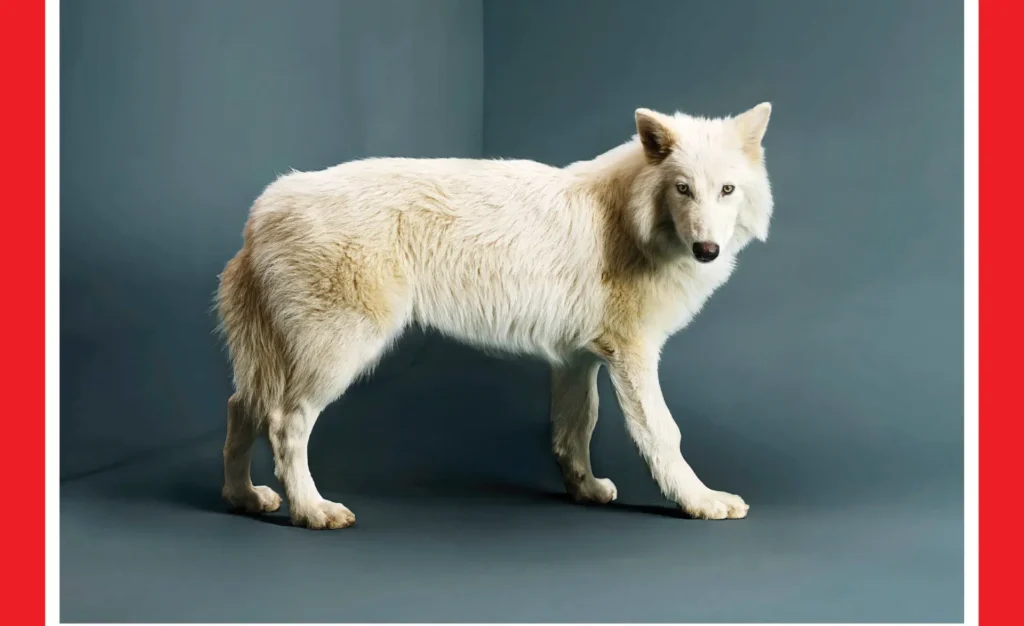
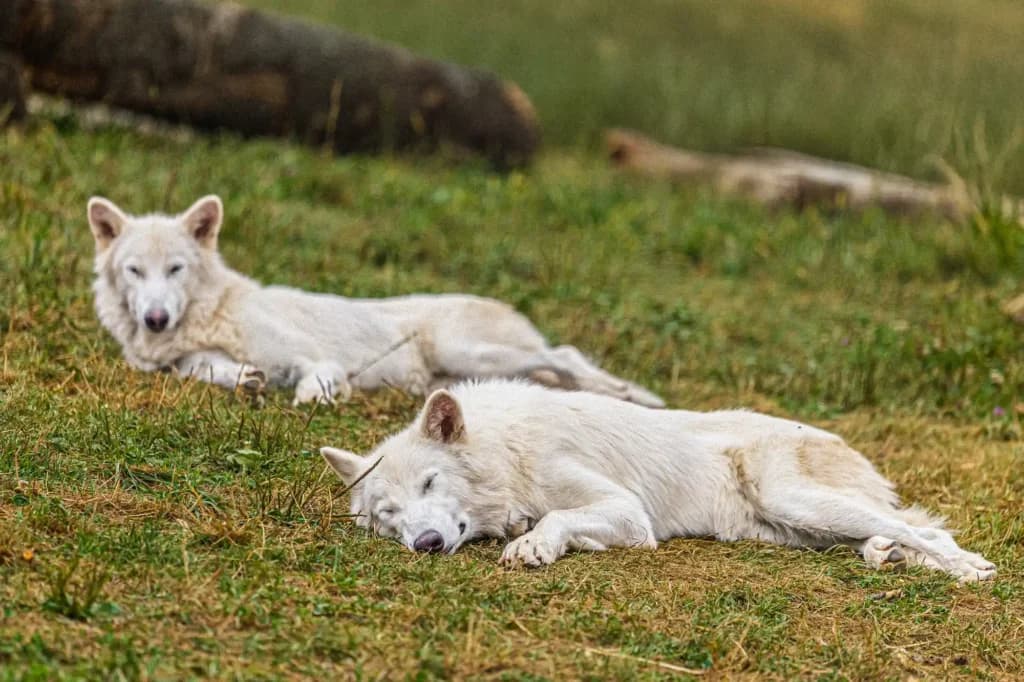
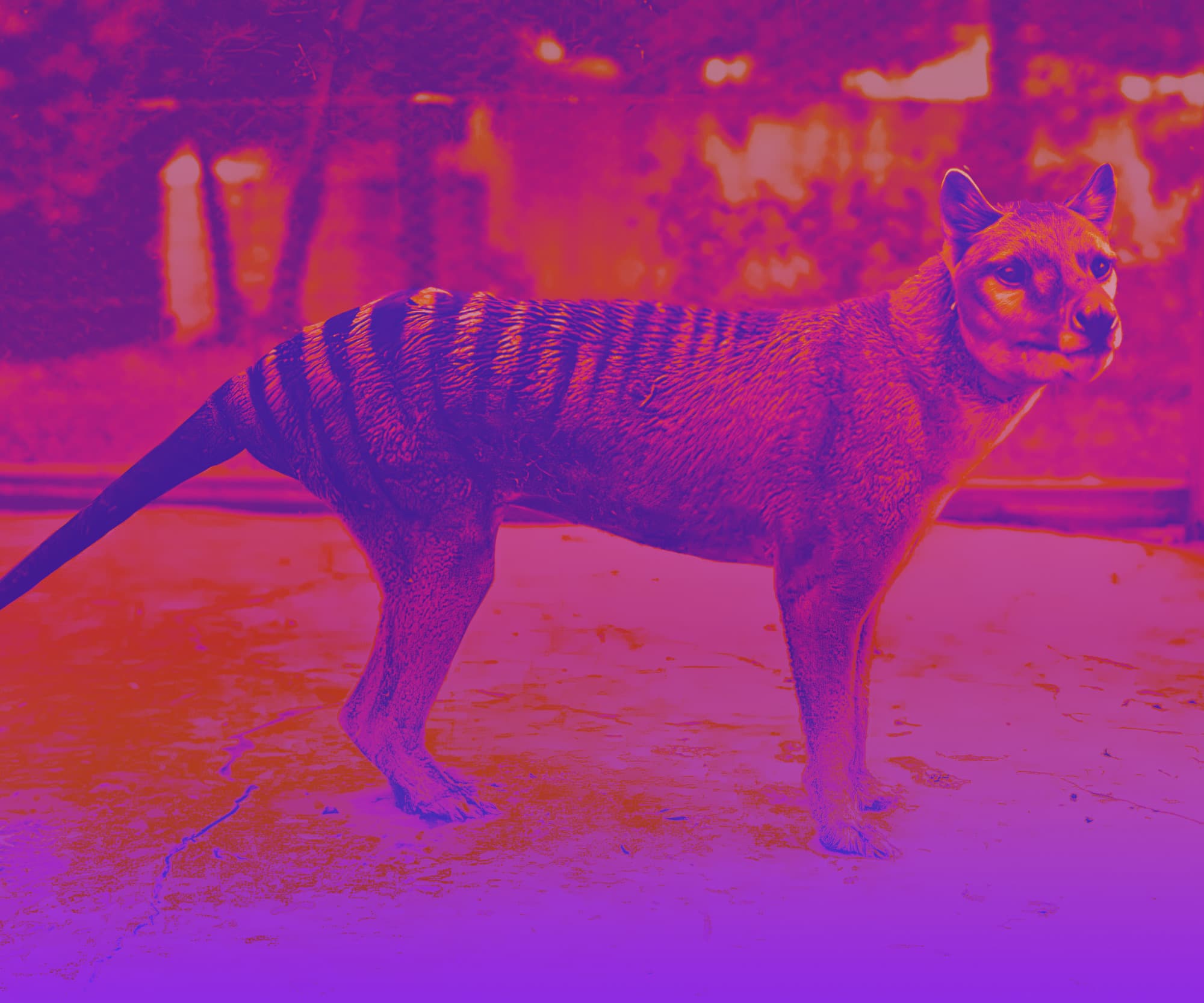
Some of those spillovers are already visible. Elephant iPSCs are useful for vaccine and drug development against elephant herpesvirus. Multiplex editing pipelines refined on mammoth targets will accelerate work on agricultural genetics, on xenotransplantation, on genetic rescue of endangered species. Colossal's parallel projects — the thylacine in Australia, the dodo, the dire wolf — share most of the same underlying tooling.
So what should you take away?
If you are evaluating Colossal as a serious gene-editing company that is pushing the multiplex-CRISPR-and-stem-cell frontier in a charismatic species, the project is impressive and probably consequential. If you are evaluating it as a literal mammoth resurrection on a 2028 timetable, you should adjust expectations. The first "mammoth" calf, when it appears, will be a hybrid. It will be 99-point-something percent Asian elephant. It will not have a mother of its own kind. It may never be released into the wild, and even if it is, it will not by itself reverse climate change or reseed the Mammoth Steppe.
It will, however, be the most genetically engineered mammal ever born. That alone is a thing worth thinking about.
Whether you cheer it on or wince at it, the woolly mammoth project has already changed the field. Ten years ago, de-extinction was a fringe idea backed by a few enthusiasts. Today it is a venture-funded biotech program with hundreds of millions of dollars, a published track record of technical milestones, and a defined timeline. The mammoth, for now, is still gone. But for the first time since Wrangel Island, the question of whether something like her could walk again is no longer rhetorical.
It's an experiment. And the experiment is running.
Sources & Further Reading
- Colossal Biosciences — Woolly Mammoth project page: https://colossal.com/mammoth/
- George Church Lab, Harvard Medical School: https://arep.med.harvard.edu/
- Pleistocene Park (Sergey and Nikita Zimov): https://pleistocenepark.ru/
- Lynch, V. J. et al. (2015). "Elephantid genomes reveal the molecular bases of woolly mammoth adaptations to the Arctic." Cell Reports — foundational paper on mammoth-specific cold-adaptation gene variants.
- Shapiro, B. How to Clone a Mammoth: The Science of De-Extinction (Princeton University Press) — accessible primer by Colossal's Chief Science Officer on the science and limits of ancient-DNA-driven de-extinction.
- Palkopoulou, E. et al. (2015). "Complete genomes reveal signatures of demographic and genetic declines in the woolly mammoth." Current Biology — on the genomic meltdown of the last Wrangel Island population.
- Centre for Palaeogenetics, Stockholm: https://www.palaeogenetics.com/ — independent academic group producing high-coverage mammoth genomes.
- Herridge, T. C. — public commentary and interviews on the scientific limits of mammoth de-extinction.
- Bennett, J. R. et al. (2017). "Spending limited resources on de-extinction could lead to net biodiversity loss." Nature Ecology & Evolution — the conservation-economics critique.
- Colossal Biosciences press materials (2024-2025) on Asian elephant iPSCs and the Colossal Woolly Mouse.
Last updated: April 2026.