Few peptides have generated as much grassroots enthusiasm — or as much frustration among evidence-based clinicians — as BPC-157. Search any biohacking forum, sports-recovery subreddit, or functional-medicine clinic website, and you will find glowing testimonials about tendons healed, guts restored, and injuries resolved in record time. Search PubMed for completed human clinical trials, and you will find nothing.
That gap between anecdotal fervor and clinical evidence defines BPC-157 in 2026. The preclinical data is genuinely interesting — hundreds of rodent studies showing accelerated healing across an unusually broad range of tissues. But almost all of that data comes from a single laboratory in Croatia, and no randomized controlled trial in humans has ever been published. This article lays out exactly what we know, what we don't, and what the regulatory landscape looks like right now.
What Is BPC-157?
BPC-157 (Body Protection Compound-157) is a synthetic pentadecapeptide — a chain of 15 amino acids — derived from a larger protein found in human gastric juice called BPC (Body Protection Compound). The specific sequence is Gly-Glu-Pro-Pro-Pro-Gly-Lys-Pro-Ala-Asp-Asp-Ala-Gly-Leu-Val, often referred to by its molecular weight designation or the shorthand "BPC-157."
The parent BPC protein was first isolated and characterized in the early 1990s by Predrag Sikiric and colleagues at the University of Zagreb, Croatia. The researchers identified a stable fragment — the 15-amino-acid peptide — that retained the protective biological activity of the larger protein, particularly in the gastrointestinal tract. The "157" refers to its position within the research program's peptide library, not the amino acid count.
Key chemical properties
- Molecular weight: approximately 1,419 Da
- Gastric acid stability: Unlike most peptides, BPC-157 is remarkably stable in acidic environments (pH 1-2), which is unusual and biologically significant — it means the peptide can survive the stomach
- No known homology: BPC-157 does not closely resemble any other known signaling peptide, growth factor, or cytokine in standard sequence databases
- Water soluble: Supplied as acetate or arginine salt for research use
That gastric acid stability is worth emphasizing. Most therapeutic peptides are destroyed in the stomach within minutes, which is why insulin and GLP-1 agonists are injected. BPC-157's survival in gastric acid suggests it may have evolved as part of the stomach's own protective machinery — an endogenous mucosal defense peptide. This property also opens the door to oral administration, which sets BPC-157 apart from nearly every other peptide therapeutic.
Mechanism of Action: What BPC-157 Appears to Do
The mechanistic picture of BPC-157 has been assembled primarily from rodent studies. No single, clean "receptor-ligand" mechanism has been identified the way, say, GLP-1 binds GLP-1R. Instead, BPC-157 appears to operate through several interconnected pathways.
Angiogenesis and blood vessel formation
Multiple rat studies demonstrate that BPC-157 promotes the formation of new blood vessels at injury sites. This pro-angiogenic effect appears to involve upregulation of vascular endothelial growth factor (VEGF) and its receptor VEGFR2. New blood supply is fundamental to tissue repair — tendons, muscles, and gut mucosa all heal faster when vascularization improves. Studies using chicken chorioallantoic membrane (CAM) assays and rat corneal micropocket models have confirmed this vessel-forming activity.
Nitric oxide system modulation
BPC-157 interacts with the nitric oxide (NO) system in ways that appear context-dependent. In models of NO depletion (L-NAME administration), BPC-157 counteracts the resulting tissue damage. In models of excessive NO production (L-arginine overdose), BPC-157 also shows protective effects. This bidirectional modulation — sometimes called a "modulatory" rather than "agonist/antagonist" relationship — is unusual and not fully understood mechanistically. The practical implication is that BPC-157 may help restore NO homeostasis rather than simply increasing or decreasing NO levels.
Growth factor upregulation
Beyond VEGF, BPC-157 has been shown in animal models to upregulate:
- Fibroblast growth factor (FGF) — critical for connective tissue repair
- Epidermal growth factor (EGF) receptor expression — relevant to mucosal healing
- Hepatocyte growth factor (HGF) — involved in liver regeneration and tissue repair
These are not minor players. VEGF, FGF, and EGF are among the most powerful tissue-repair signals in the body. If BPC-157 genuinely increases their local expression at injury sites, that alone could explain much of the observed healing acceleration.
FAK-paxillin pathway and cell migration
A 2018 study from the Sikiric group demonstrated that BPC-157 activates the focal adhesion kinase (FAK)-paxillin pathway in fibroblasts. FAK signaling governs how cells adhere to the extracellular matrix and migrate into wound sites. Activation of this pathway would directly promote wound closure by enabling fibroblasts and endothelial cells to crawl into damaged tissue and begin repair.
The gut-brain axis
Some of the most intriguing — and speculative — BPC-157 research involves its effects on the gut-brain axis. In rat models, BPC-157 has demonstrated:
- Dopamine system modulation: counteracting the effects of dopamine-depleting agents and dopamine-receptor manipulations
- Serotonin system effects: reducing serotonin syndrome symptoms in rat models
- Anxiolytic and antidepressant-like behavioral effects in standard rodent behavioral tests (forced swim test, elevated plus maze)
- Protection against NSAID-induced gut-brain damage: reducing both gastric lesions and associated behavioral changes
The proposed mechanism is that BPC-157, as a gastric peptide, may signal through vagal afferents or local enteric nervous system pathways to influence central neurotransmitter systems. This is plausible given what we now know about gut-brain communication, but the evidence base is entirely preclinical and the specific signaling intermediaries remain unclear.
What is NOT known mechanistically
It is important to flag what the mechanism-of-action picture is missing:
- No identified primary receptor. Unlike most bioactive peptides, BPC-157 has no known specific cell-surface receptor. How a 15-amino-acid peptide triggers all these downstream effects without a defined receptor is a genuine scientific puzzle.
- No crystal structure or binding studies. Standard tools for understanding peptide-target interactions (X-ray crystallography, cryo-EM, surface plasmon resonance) have not been applied.
- Dose-response relationships are inconsistent across studies, making it hard to build a pharmacokinetic/pharmacodynamic model.
Research Evidence: What the Studies Actually Show
Strong evidence (multiple rodent studies, consistent results)
Tendon and ligament healing. This is the application with the most consistent preclinical support. Rat studies have shown BPC-157 accelerates healing of transected Achilles tendons, medial collateral ligaments, and quadriceps tendons. The mechanism appears to involve increased collagen organization, improved biomechanical strength at the repair site, and enhanced tendon-to-bone healing. A particularly well-cited 2010 study showed that BPC-157-treated rats with Achilles tendon transection had significantly better functional outcomes than untreated controls.
Gastrointestinal protection and healing. Given that BPC-157 is derived from gastric juice, it is perhaps unsurprising that GI protection is the most extensively studied application. Rodent studies demonstrate protection against:
- NSAID-induced gastric ulcers (indomethacin, diclofenac)
- Alcohol-induced gastric damage
- Inflammatory bowel disease models (TNBS-colitis, cysteamine-induced duodenal ulcers)
- Esophageal reflux damage
- Short bowel syndrome complications
- Anastomotic healing after surgical gut resection
The consistency here is notable. Across dozens of studies using different injury models, BPC-157 has repeatedly shown gastroprotective and gut-healing effects in rats.
Muscle injury repair. Rat studies show accelerated healing of crushed gastrocnemius muscles and transected muscles, with improved functional recovery and reduced fibrosis at the repair site.
Nerve damage and neuroprotection. BPC-157 has shown protective and regenerative effects in several rodent nerve injury models, including sciatic nerve transection, peripheral nerve crush injury, and cerebral ischemia models. Nerve regrowth and functional recovery were improved relative to controls.
Moderate evidence (fewer studies, but promising results)
Bone healing. A smaller number of studies show BPC-157 accelerates bone fracture healing and improves bone-tendon junction repair in rats. The data is less extensive than for soft tissue.
Liver protection. BPC-157 has shown hepatoprotective effects in rat models of liver damage induced by alcohol, NSAIDs, and hepatotoxins. Markers of liver injury (ALT, AST) were reduced, and histological damage was mitigated.
Cardiac protection. A few studies demonstrate reduced arrhythmia incidence and cardioprotective effects in rat models, particularly in the context of drug-induced cardiac toxicity.
Weak or absent evidence
Human clinical trials: zero completed. This is the single most important fact about BPC-157. As of April 2026, no completed, published, peer-reviewed randomized controlled trial of BPC-157 in humans exists. All of the evidence described above comes from animal models — primarily rats and mice, with some rabbit and chicken embryo studies.
Cancer safety data. BPC-157 promotes angiogenesis and cell proliferation — both processes that tumors exploit. Whether BPC-157 could promote tumor growth or metastasis is an open question with minimal data. Some rodent studies have actually suggested anti-tumor effects, but the data is sparse and not designed to answer the cancer safety question rigorously.
Long-term safety in any species. Most rodent studies are short-term (days to weeks). Chronic exposure data is limited.
The Replication Problem
This section may be the most important in the entire article.
The overwhelming majority of BPC-157 research comes from one laboratory: the group led by Predrag Sikiric at the University of Zagreb School of Medicine in Croatia. Sikiric and colleagues have published well over 100 papers on BPC-157 since the 1990s. Their body of work is prolific, internally consistent, and covers an impressively broad range of therapeutic applications.
The problem is that independent replication by other research groups is sparse. In the broader scientific community, a finding is not considered robust until multiple independent laboratories can reproduce it. This is not a criticism of Sikiric's integrity — it is a basic epistemological principle. When a single group produces nearly all the literature on a compound, several risks emerge:
- Methodological blind spots that would be caught by researchers using different experimental setups
- Publication bias — positive results published, negative results potentially filed away
- Unconscious optimization — intimate familiarity with a compound can lead to protocol choices that favor positive outcomes without deliberate intent
- Irreproducibility — some percentage of published findings in any field fail to replicate; this risk is amplified when the base of evidence is narrow
Some independent groups have published supportive findings. A 2021 systematic review identified a small number of non-Sikiric studies that corroborated aspects of BPC-157's healing activity, particularly in tendon and gut models. But the proportion of independent work remains low relative to the total literature.
What would move the needle: Large-scale replication studies by independent groups, funded by neutral sources, using pre-registered protocols. This is what separates a promising lead from validated science.
What About Clinical Trials?
As of April 2026, a search of ClinicalTrials.gov reveals a limited picture. A small number of trials have been registered investigating BPC-157 or BPC-157-related compounds, but none have published final results in peer-reviewed journals.
The gap between preclinical promise and clinical testing is partly economic and partly regulatory. BPC-157 is a naturally occurring peptide fragment — difficult to patent in its native form, which limits the financial incentive for pharmaceutical companies to fund expensive Phase I-III trials. Some companies have attempted to develop proprietary analogs or formulations, but the pathway from interesting preclinical compound to FDA-approved drug typically requires hundreds of millions of dollars and a decade of work.
The absence of clinical trials does not mean BPC-157 is ineffective in humans. It means we genuinely do not know. Extrapolating from rat physiology to human outcomes is notoriously unreliable — the graveyard of drug development is filled with compounds that worked beautifully in rodents and failed in people.
Oral vs. Injectable: Routes of Administration
BPC-157 is used (in research and in the gray market) via two primary routes. Each has different implications.
Oral administration (capsules)
Advantages:
- Convenience and safety: No injection technique required, no sterility concerns
- Gastric acid stability: BPC-157 survives the stomach environment, unlike most peptides
- May be optimal for GI indications: Direct exposure to gut mucosa makes oral dosing logical for conditions like gastritis, IBD, or NSAID-induced gut damage
- Some systemic absorption: Animal studies suggest oral BPC-157 does reach systemic circulation, though the degree of bioavailability is not precisely characterized
Limitations:
- Uncertain systemic bioavailability: While BPC-157 survives gastric acid, absorption through the intestinal epithelium and first-pass hepatic metabolism have not been rigorously quantified in any species
- Dose uncertainty: Without clear pharmacokinetic data, optimal oral dosing is guesswork
- Most musculoskeletal studies used injection: Extrapolating injection results to oral dosing is uncertain
Subcutaneous injection
Advantages:
- Bypasses GI absorption uncertainty: Peptide enters systemic circulation directly
- Targeted delivery: Injection near the injury site (e.g., near an injured tendon) may provide higher local concentrations
- Most consistent with the preclinical literature: The majority of musculoskeletal and wound-healing studies administered BPC-157 by injection (intraperitoneal in most rat studies, but subcutaneous is the closest human analog)
Limitations:
- Requires sterile technique: Risk of infection, abscess, or contamination if done improperly
- Source quality concerns: Research-grade peptides from unregulated suppliers may contain impurities, incorrect concentrations, or degradation products
- Legal and regulatory risk: Self-injection of unapproved compounds carries legal implications in many jurisdictions
A note on dosing
Rat studies typically use doses in the range of 10 micrograms per kilogram (mcg/kg) body weight, administered intraperitoneally. Human users in the gray market commonly report using 250-500 mcg per injection, once or twice daily, or 500-1000 mcg orally. These doses are extrapolated from rat data using crude allometric scaling. They are not validated by human pharmacokinetic studies, and the true effective dose in humans — if BPC-157 is effective at all — is unknown.
Legality in 2026: A Complex and Shifting Landscape
The legal status of BPC-157 sits in a gray zone that varies by country, context, and intended use.
United States — FDA status
BPC-157 is not approved by the FDA for any therapeutic indication. It is not classified as a dietary supplement (it is a synthetic peptide, not a vitamin, mineral, or botanical). It is not a scheduled controlled substance. It occupies the category of a "research chemical" — legal to manufacture and sell "for research purposes only" or "not for human consumption," but not legal to market as a drug or therapeutic.
In practice, this means:
- Purchasing BPC-157 from peptide suppliers for "research" is technically legal
- Using it on yourself exists in a regulatory gray area — not explicitly illegal for personal use, but not sanctioned by any regulatory framework
- Prescribing it as a physician falls into compounding pharmacy territory (see below)
- Marketing it with therapeutic claims is clearly illegal and has attracted FDA enforcement
Compounding pharmacies — the gray area
The most medically supervised pathway to BPC-157 in the U.S. involves 503A and 503B compounding pharmacies. Under certain conditions, physicians can prescribe compounded peptides — including BPC-157 — for individual patients when no FDA-approved alternative exists for that patient's condition.
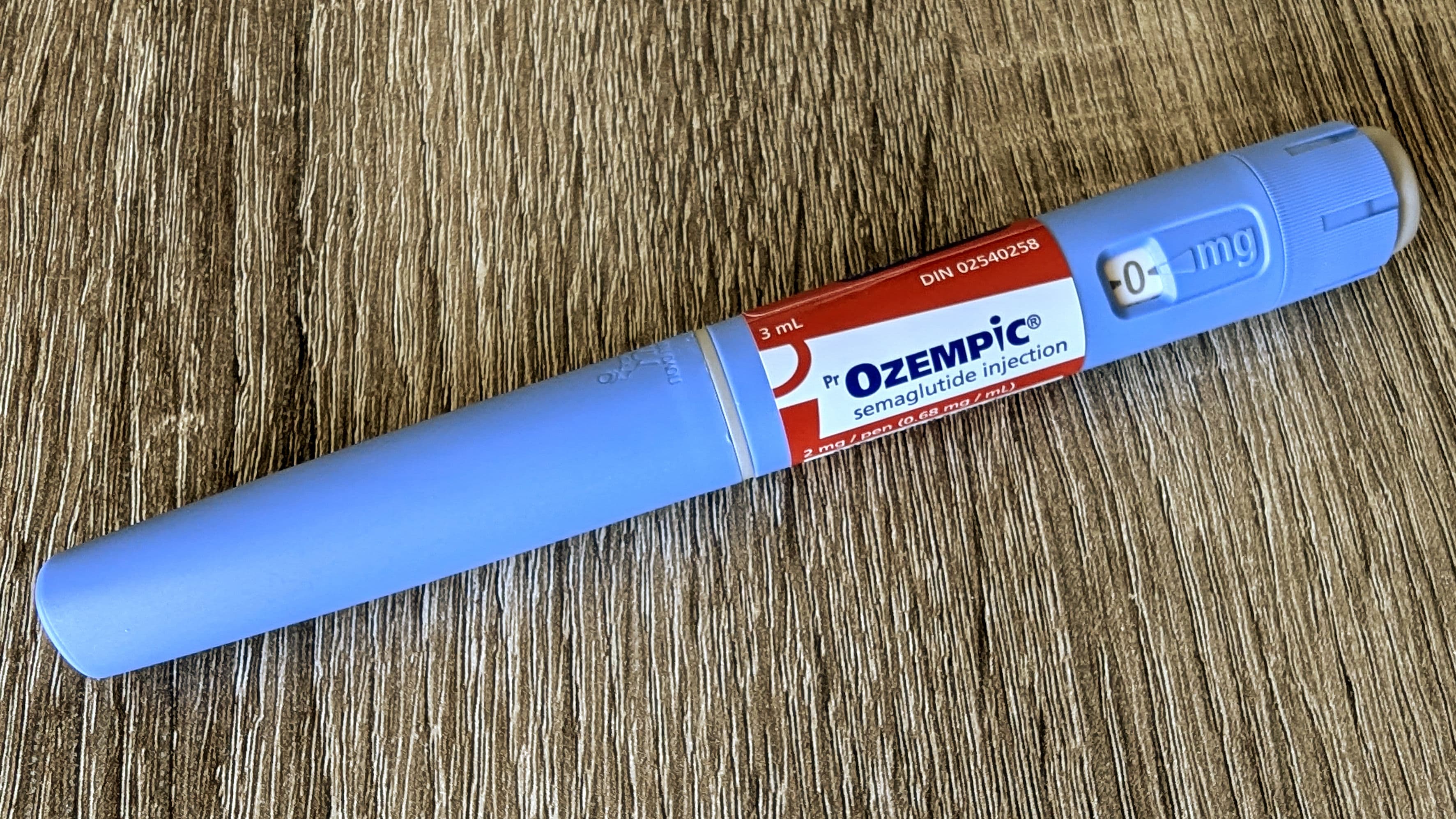
However, this pathway has come under increasing scrutiny. The FDA has been tightening oversight of compounding pharmacies throughout 2025 and 2026, particularly in the wake of the semaglutide compounding controversy. The agency has signaled broader concern about peptide therapeutics being compounded without adequate safety data. BPC-157 is among the peptides that could face explicit restrictions if the FDA publishes an updated bulk drug substance list that excludes it.
As of April 2026, BPC-157 has not been placed on the FDA's "difficult to compound" list or explicitly prohibited from compounding, but the regulatory environment is shifting in a more restrictive direction. Practitioners who prescribe compounded BPC-157 operate in a space of legal ambiguity that could narrow at any time.
WADA — banned in sport
The World Anti-Doping Agency (WADA) added BPC-157 to its prohibited list effective January 1, 2022, under category S0 (Non-Approved Substances). Any athlete subject to WADA testing who tests positive for BPC-157 faces sanctions. The ban applies to both in-competition and out-of-competition use.
This is significant because it means competitive athletes cannot legally use BPC-157 under any circumstances, regardless of its legal status in their home country. WADA's prohibition reflects concern about the peptide's performance-enhancing potential (accelerated recovery from injury is a competitive advantage) rather than a judgment about its safety or efficacy.
International status
- Canada: Similar gray area to the U.S.; not approved by Health Canada, available through some compounding channels
- Australia: Classified as a Schedule 4 (prescription-only) substance by the TGA; stricter than the U.S. framework
- European Union: Varies by member state; generally treated as an unapproved medicinal product
- United Kingdom: Not licensed by the MHRA; available from peptide suppliers as a research chemical
The enforcement reality
In practice, BPC-157 is widely available online from peptide supply companies based in the U.S. and internationally. Regulatory enforcement has focused on companies making explicit therapeutic claims rather than on individual purchasers or users. This creates a de facto situation where the peptide is accessible to anyone willing to order it, while remaining officially unapproved for human use.
Safety: What We Know and What We Don't
What the animal data suggests
Across hundreds of rodent studies, BPC-157 has shown a remarkably clean safety profile:
- No reported lethal dose (LD50): Researchers have not been able to establish a lethal dose in rats, even at very high multiples of the therapeutic dose
- No mutagenicity in standard in vitro genotoxicity assays
- No organ toxicity reported in short-to-medium-term studies at therapeutic doses
- No significant adverse effects reported in any published animal study
This is genuinely unusual. Most bioactive peptides show some dose-limiting toxicity at supratherapeutic levels. BPC-157's apparent lack of toxicity in rodents is one of its more remarkable properties — if it holds up under broader scrutiny.
What we do NOT know
- Human safety profile: No controlled human safety data exists. Anecdotal reports from self-experimenters generally describe BPC-157 as well-tolerated, with occasional reports of nausea, dizziness, or injection-site reactions, but anecdotal reports cannot establish a safety profile.
- Drug interactions: BPC-157's modulation of NO, dopamine, and serotonin systems raises theoretical concerns about interactions with nitrates, dopaminergic drugs, SSRIs, and other medications. No interaction studies have been conducted.
- Cancer risk: As discussed above, the pro-angiogenic and proliferative properties of BPC-157 create a theoretical concern for tumor promotion. This has not been adequately studied.
- Pregnancy and lactation: No data whatsoever.
- Pediatric safety: No data.
- Long-term chronic use: Most animal studies last days to weeks. People using BPC-157 often take it for months. No data addresses this timeframe.
Contamination and quality control
A practical safety concern that is separate from the molecule itself: product quality from unregulated suppliers is highly variable. Independent analyses of peptides purchased from online research chemical vendors have found:
- Incorrect peptide content (sometimes significantly more or less than labeled)
- Bacterial endotoxin contamination
- Residual solvents from synthesis
- Degradation products
- Incorrect peptide sequences
If someone experiences an adverse reaction from a purchased BPC-157 product, it may be due to the contaminant rather than the peptide itself. This is an inherent risk of using unapproved compounds from unregulated sources.
The Honest Assessment: Putting It All Together
BPC-157 is one of the most interesting peptides in preclinical research. The breadth of tissue-repair effects across different organ systems is unusual and suggests a fundamental biological mechanism rather than a narrow pharmacological trick. The gastric acid stability and oral bioavailability potential are attractive properties for a therapeutic peptide. The safety profile in animal studies is remarkably clean.
At the same time, the evidence base has serious structural weaknesses:
- No human clinical trial data. This alone prevents any responsible claim of efficacy in humans.
- Dominated by a single research group. Independent replication is insufficient to consider the preclinical findings validated.
- No identified receptor. The mechanism of action remains more descriptive than explanatory.
- Regulatory limbo. The compound exists in a gray zone that offers neither the safety of approved drugs nor the freedom of demonstrated-safe supplements.
For researchers
BPC-157 warrants serious, well-funded clinical investigation. The preclinical signal is strong enough to justify Phase I safety studies and Phase II efficacy trials, particularly for tendon repair and inflammatory bowel conditions. The scientific community would benefit enormously from independent replication of the Sikiric group's foundational findings.
For clinicians
Prescribing compounded BPC-157 is a judgment call that should weigh the absence of human efficacy data against the patient's clinical situation, the availability of proven alternatives, and the regulatory risk. Informed consent should explicitly address the preclinical-only evidence base.
For individuals considering use
You are making a decision with limited information. The animal data is promising. The human data is absent. The product quality from unregulated sources is uncertain. If you choose to proceed, doing so under medical supervision, with pharmaceutical-grade product from a licensed compounding pharmacy, is meaningfully safer than self-administering research chemicals purchased online. Be honest with yourself about what you know and what you are guessing.
What to Watch For: The Road Ahead
Several developments could substantially change the BPC-157 landscape in the near future:
- Clinical trial results: Any published human trial data — even a small Phase I safety study — would dramatically reshape the evidence base
- FDA compounding guidance: New FDA rules on peptide compounding could either restrict or clarify access
- Independent replication studies: Large, well-powered replications by non-Sikiric groups would either strengthen or weaken the preclinical case
- Receptor identification: Discovering BPC-157's molecular target would transform it from a mysterious healing peptide into a rational drug candidate
- Pharmaceutical development: A company that successfully patents a BPC-157 analog or delivery system could fund the clinical trials the field desperately needs
Until these developments materialize, BPC-157 remains what it has been for three decades: a fascinating preclinical compound with a devoted following and an evidence gap that no amount of anecdotal enthusiasm can fill.
Frequently Asked Questions
Is BPC-157 legal in the United States?
BPC-157 occupies a regulatory gray area. It is not FDA-approved for any therapeutic indication, not classified as a dietary supplement, and not a scheduled controlled substance. It can be legally purchased as a "research chemical" labeled "not for human consumption," and some physicians prescribe it through 503A and 503B compounding pharmacies, though the FDA has been tightening oversight of peptide compounding throughout 2025-2026.
Are there any human clinical trials for BPC-157?
As of April 2026, no completed, published, peer-reviewed randomized controlled trial of BPC-157 in humans exists. A small number of trials have been registered on ClinicalTrials.gov, but none have published final results. All efficacy evidence comes from animal models -- primarily rats and mice -- across hundreds of preclinical studies.
Is BPC-157 safe to take?
In rodent studies, BPC-157 shows a remarkably clean safety profile with no reported lethal dose, no mutagenicity, and no organ toxicity at therapeutic doses. However, no controlled human safety data exists, long-term effects are unknown, and the pro-angiogenic properties raise theoretical concerns about tumor promotion. Product quality from unregulated suppliers is also highly variable, with independent analyses finding contamination and incorrect dosing in some products.
Should I take BPC-157 orally or by injection?
The choice depends on the intended application. Oral administration is more convenient, avoids sterility concerns, and may be optimal for gastrointestinal conditions since BPC-157 is remarkably stable in gastric acid. Subcutaneous injection bypasses GI absorption uncertainty and is more consistent with the preclinical literature on musculoskeletal healing, but carries risks of infection and contamination from unregulated sources. Most musculoskeletal studies in animals used injection, while the peptide's natural origin in gastric juice supports the oral route for gut-related applications.
Is BPC-157 banned in sports?
Yes. The World Anti-Doping Agency (WADA) added BPC-157 to its prohibited list effective January 1, 2022, under category S0 (Non-Approved Substances). The ban applies to both in-competition and out-of-competition use, meaning any athlete subject to WADA testing who tests positive for BPC-157 faces sanctions regardless of the peptide's legal status in their country.
Sources and Further Reading
- Sikiric P, et al. "Brain-gut axis and pentadecapeptide BPC 157: theoretical and practical implications." Current Neuropharmacology. 2016;14(8):857-865.
- Seiwerth S, et al. "BPC 157's effect on healing." Journal of Physiology-Paris. 1999;93(6):441-447.
- Sikiric P, et al. "Pentadecapeptide BPC 157 and its effects on a NSAID toxicity model: diclofenac-induced gastrointestinal, liver, and encephalopathy lesions." Life Sciences. 2013;93(5-6):145-154.
- Chang CH, et al. "BPC-157 promotes muscle regeneration by inhibiting inflammation via the MAPK signaling pathway." Journal of Cellular Physiology. 2020.
- Hsieh MJ, et al. "Therapeutic potential of BPC 157 for tendon injuries: a systematic review." BMC Musculoskeletal Disorders. 2021.
- Vukojevic J, et al. "Pentadecapeptide BPC 157 and the central nervous system." Neural Regeneration Research. 2022;17(3):482-487.
- Sikiric P, et al. "Stable gastric pentadecapeptide BPC 157-NO system relation." Current Pharmaceutical Design. 2014;20(7):1126-1135.
- Kang EA, et al. "BPC 157 as potential treatment for inflammatory bowel disease: review of preclinical evidence." Journal of Gastroenterology and Hepatology. 2023.
- World Anti-Doping Agency. 2022 Prohibited List. S0: Non-Approved Substances.
- U.S. Food and Drug Administration. Compounding Quality Act, Section 503A and 503B guidance documents.
- Gwyer D, Wragg NM, Wilson SL. "Gastric pentadecapeptide body protection compound BPC 157 and its role in accelerating musculoskeletal soft tissue healing." Cell and Tissue Research. 2019;377(2):153-159.