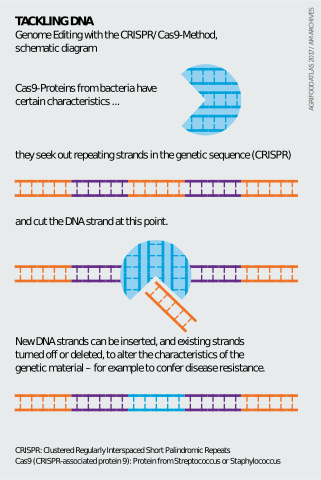
DNA editing is permanent. Once CRISPR makes its cut and the repair machinery finishes its work, the change is written into the genome for life — passed down through every cell division, inherited by every daughter cell. That permanence is the whole point when you are correcting a lethal genetic defect in a newborn. But what about the vast majority of diseases where you might want to dial a treatment up, dial it down, or stop it entirely?
Enter RNA editing — the approach that uses a whiteboard marker instead of a chisel. You can erase and rewrite, and the original DNA stays untouched. In 2026, this "gentler" form of genetic medicine is proving it can do things that permanent DNA editing simply cannot: tunable dosing, reversible intervention, and programmable gene switches that respond to small molecules like a thermostat responds to temperature. Three breakthroughs — Wave Life Sciences' AIMer platform, adaptamers from Daniel Bryant's lab, and the editopes approach to cancer immunotherapy — are defining what may be the most consequential year RNA editing has ever had.
RNA Editing 101: What Makes It Different
The Fundamental Distinction: Temporary vs Permanent
Every mainstream gene editing tool — CRISPR-Cas9, base editing, prime editing — writes changes directly into the DNA. Those changes are permanent and heritable within cell lineages. RNA editing, by contrast, modifies the messenger RNA (mRNA) that the cell transcribes from DNA. Because mRNA is a transient molecule with a lifespan measured in hours to days, any edit made at the RNA level is inherently temporary. The underlying DNA remains completely intact.
Think of it this way: DNA is the master blueprint locked in a vault. mRNA is the photocopy sent to the factory floor. RNA editing marks up the photocopy. If the mark is wrong, the cell simply prints a fresh copy from the unchanged original.
ADAR Enzymes: The Cell's Built-In Editors
The key players in RNA editing are ADAR enzymes — Adenosine Deaminases Acting on RNA. Humans naturally express two catalytically active forms: ADAR1 (widely expressed across tissues) and ADAR2 (enriched in the brain). These enzymes have been performing RNA editing in human cells for hundreds of millions of years of evolution.
ADARs catalyze a specific chemical reaction: the deamination of adenosine (A) to inosine (I) in double-stranded RNA. The cellular translation machinery reads inosine as guanosine (G), so the functional result is an A-to-G change at the RNA level. This single reaction can:
- Recode proteins by changing the amino acid specified by a codon
- Alter RNA splicing by modifying splice site recognition sequences
- Regulate innate immunity by preventing the immune system from attacking the cell's own double-stranded RNA
- Modulate gene regulation by editing microRNA target sites or regulatory elements
The human transcriptome contains millions of natural A-to-I editing sites. Most reside in repetitive Alu elements within non-coding regions, but dozens of sites in coding sequences are functionally critical. A landmark example: ADAR2-mediated editing of the GluA2 glutamate receptor subunit is required for normal brain function, and its loss is implicated in amyotrophic lateral sclerosis (ALS).
Why "No Foreign Proteins" Matters
One of RNA editing's most compelling advantages is that it can work by recruiting endogenous ADAR — the ADAR enzymes already present in the patient's own cells. Unlike CRISPR, which requires delivering a foreign bacterial protein (Cas9) that can trigger immune responses, endogenous ADAR recruitment delivers only a short guide RNA. No foreign protein means:
- Lower immunogenicity — reduced risk of immune reactions, especially with repeat dosing
- Simpler delivery — a small RNA molecule is easier to deliver than a large protein-RNA complex
- Better safety profile — no risk of the foreign protein integrating or persisting in unintended ways
The Advantages at a Glance
Reversibility. If an RNA edit causes an unwanted effect, stopping the guide RNA allows the cell to return to its unedited baseline within hours. No permanent alteration lingers.
Titratability. The degree of editing can be controlled by adjusting the dose of guide RNA. More guide RNA means more editing; less means less. This dose-response relationship is nearly impossible to achieve with permanent DNA editing, which is essentially all-or-nothing at the single-cell level.
No permanent genome changes. The DNA stays pristine. This eliminates the risk of heritable off-target mutations — a concern that has dogged CRISPR from its earliest clinical applications.
Repeat dosing. Because the effect wears off, patients can receive multiple doses over time, with the treatment adjusted based on clinical response. This is closer to the pharmacological model that clinicians are already comfortable with.
The ADAR Toolkit
The field has developed several distinct strategies for harnessing ADAR-mediated RNA editing therapeutically. Understanding the toolkit is essential for appreciating where each company and research group fits.
Guide RNA-Directed ADAR Recruitment
The core concept is straightforward: design a short antisense RNA that binds to the target mRNA at the desired editing site, creating a double-stranded RNA structure. This duplex recruits endogenous ADAR enzymes, which then perform the A-to-I edit at the target adenosine. The guide RNA sequence and structure determine both specificity (which adenosine gets edited) and efficiency (what fraction of target transcripts are edited).
Engineered vs Endogenous ADAR Approaches
Two broad philosophies have emerged:
Endogenous ADAR recruitment relies entirely on the patient's own ADAR enzymes. The therapeutic delivers only a guide RNA — no foreign protein. This is the approach favored by Wave Life Sciences, ProQR Therapeutics, and several academic labs. Its advantages include simplicity, lower immunogenicity, and compatibility with chemically modified oligonucleotides that can be dosed subcutaneously.
Engineered ADAR delivery involves delivering a modified ADAR enzyme (or the catalytic domain of ADAR fused to a programmable RNA-binding domain) along with a guide RNA. This can achieve higher editing efficiency, especially in tissues where endogenous ADAR expression is low. However, it requires delivering a foreign protein, which raises immunogenicity and delivery challenges. Groups at the Broad Institute, University of Tokyo, and companies like Korro Bio have explored this path.
Short Guide RNAs vs Long Antisense RNAs
Guide RNA design has evolved considerably:
-
Short guide RNAs (15-40 nucleotides) are compatible with chemical synthesis and modifications like 2'-O-methyl, phosphorothioate, and locked nucleic acid (LNA) backbones. They can be conjugated to targeting ligands (e.g., GalNAc for liver delivery) and dosed subcutaneously like antisense oligonucleotides. Wave Life Sciences' AIMers fall into this category.
-
Long antisense RNAs (>100 nucleotides) can recruit endogenous ADAR with high efficiency by forming extensive duplex structures. They are typically delivered via adeno-associated virus (AAV) vectors, which provide long-term expression from a single dose. Academic labs have shown robust editing with these longer constructs, but AAV delivery limits repeat dosing due to anti-AAV immune responses.
GalNAc Conjugation for Liver Targeting
N-acetylgalactosamine (GalNAc) conjugation is a proven technology borrowed from the antisense oligonucleotide and siRNA fields. GalNAc binds the asialoglycoprotein receptor (ASGPR), which is highly expressed on hepatocytes, enabling efficient and specific liver uptake after subcutaneous injection. Alnylam's GalNAc-siRNA drugs (Onpattro, Leqvio) validated this delivery approach, and Wave Life Sciences has adapted it for ADAR-recruiting guide RNAs.
AAV-Delivered vs Chemically Modified Approaches
The choice between AAV delivery and chemical modification defines two distinct therapeutic paradigms:
| Feature | Chemically Modified RNA (e.g., GalNAc-ASO) | AAV-Delivered Guide RNA |
|---|---|---|
| Dosing | Repeat subcutaneous injections | Single intravenous dose |
| Duration | Weeks to months per dose | Potentially years |
| Tissues | Primarily liver (GalNAc) | Liver, CNS, muscle (serotype-dependent) |
| Immunogenicity | Low | Anti-AAV antibodies limit re-dosing |
| Regulatory path | Well-established (ASO/siRNA precedent) | Gene therapy regulatory framework |
| Cargo capacity | Guide RNA only | Guide RNA + optional engineered ADAR |
Wave Life Sciences: The AIMer Platform
If any single company embodies the RNA editing moment of 2026, it is Wave Life Sciences. The Cambridge, Massachusetts-based company has built what may be the most advanced clinical-stage endogenous ADAR editing platform in the world.
What Is an AIMer?
An AIMer — short for ADAR-mediated RNA editing oligonucleotide — is a chemically modified, GalNAc-conjugated short guide RNA designed to recruit endogenous ADAR1 to a specific adenosine in a target transcript within hepatocytes. The name reflects the platform's precision: each AIMer is "aimed" at a single nucleotide.
Key design features of the AIMer platform include:
-
Stereopure chemistry: Wave's proprietary approach to controlling the stereochemistry of phosphorothioate linkages in the oligonucleotide backbone. Unlike conventional synthesis, which produces a mixture of stereoisomers, Wave's stereopure manufacturing produces a single, defined stereoisomer. This improves potency, reduces toxicity, and enhances pharmacokinetic predictability.
-
GalNAc conjugation: Trivalent GalNAc targeting enables efficient hepatocyte uptake after subcutaneous injection, following the validated delivery path of GalNAc-siRNA drugs.
-
Endogenous ADAR recruitment: No foreign enzyme is delivered. The AIMer creates the double-stranded RNA structure needed to attract the patient's own ADAR1 enzyme to the target site.
-
Subcutaneous administration: Patients can self-inject at home, similar to existing GalNAc-conjugated therapies.
Hepatocyte-Specific A-to-I Editing
The AIMer platform is designed for diseases caused by G-to-A point mutations in genes expressed in the liver. Because ADAR performs A-to-I editing (functionally A-to-G), it can correct these mutations at the RNA level, restoring wild-type protein production without touching the genome.
Wave has demonstrated editing efficiencies of 40-70% in preclinical models — a level sufficient for therapeutic benefit in many liver diseases. The editing is specific to hepatocytes due to GalNAc-mediated delivery, minimizing off-target editing in other tissues.
Advantages for Repeat Dosing and Safety
Because AIMers are chemically synthesized oligonucleotides — not gene therapies — they fit neatly into the established regulatory and clinical framework for antisense therapeutics. This brings several practical advantages:
-
Repeat dosing without immune barriers: Unlike AAV gene therapies, which trigger neutralizing antibodies that prevent re-dosing, AIMers can be administered repeatedly. Dose adjustments are possible based on clinical response.
-
Reversibility as a safety feature: If a patient experiences an adverse effect, stopping AIMer dosing allows the edited RNA to be replaced by fresh, unedited transcripts within days. This is fundamentally different from permanent DNA editing, where an unwanted change cannot be undone.
-
Manufacturing scalability: Oligonucleotide manufacturing is well-established and scalable, avoiding the bespoke, small-batch production challenges that plague AAV gene therapies.
Current Pipeline and Clinical Progress
As of early 2026, Wave Life Sciences' RNA editing pipeline includes:
-
WVE-006 for alpha-1 antitrypsin deficiency (AATD): The lead program targets the SERPINA1 E342K (PiZ) mutation, which causes the liver to produce misfolded alpha-1 antitrypsin protein. WVE-006 aims to correct this G-to-A mutation at the RNA level, restoring functional protein production. Phase 1/2 clinical data have shown dose-dependent editing with a favorable safety profile.
-
Programs in liver-expressed diseases: Wave has disclosed preclinical work targeting additional G-to-A mutations responsible for other liver diseases, leveraging the modular nature of the AIMer platform to address multiple indications with the same core technology.
-
AATD partnership with GSK: Wave's collaboration with GlaxoSmithKline, announced in late 2024 and expanded in 2025, provides up to $3.4 billion in potential milestone payments and validates the platform's commercial potential.
Wave's progress has drawn comparisons to the early trajectory of Alnylam Pharmaceuticals, which pioneered GalNAc-siRNA therapeutics and is now a multi-billion-dollar company. The parallels are striking: both companies built proprietary chemistry platforms for liver-targeted RNA therapeutics, both faced years of skepticism before clinical validation, and both leveraged the GalNAc-ASGPR delivery pathway.
Adaptamers: Programmable Gene Switches
If Wave Life Sciences represents the industrialization of RNA editing, adaptamers represent its most imaginative frontier: using RNA editing to build programmable, drug-responsive switches for gene therapy.
The Problem Adaptamers Solve
Traditional gene therapy has a binary problem. Once an AAV vector delivers a therapeutic gene, that gene is always on. There is no way to turn it off if the patient is producing too much protein, no way to adjust the dose, and no way to stop treatment if something goes wrong. This lack of control has limited gene therapy to diseases where constitutive expression of the transgene is clearly beneficial and the therapeutic window is wide.
What if gene therapy could work like a prescription drug — taken when needed, adjusted based on response, and stopped if necessary?
Daniel Bryant's Breakthrough
In a landmark 2025 publication, Daniel Bryant and colleagues at the Broad Institute of MIT and Harvard described a new class of RNA devices called adaptamers — compact RNA switches that couple small-molecule-responsive aptamers with ADAR-recruiting guide RNA domains. The name is a portmanteau of "aptamer" and "adapter."
Here is how they work:
-
The aptamer domain is a short RNA sequence that folds into a specific three-dimensional structure capable of binding a small molecule (the "trigger drug") with high affinity and specificity.
-
The ADAR-recruiting domain is a guide RNA sequence designed to form a double-stranded RNA structure with the target mRNA — but only when the aptamer is bound to its trigger drug.
-
In the absence of the trigger drug, the adaptamer folds into an inactive conformation that cannot recruit ADAR. The target mRNA remains unedited, and the therapeutic gene is silenced.
-
When the patient takes the trigger drug, the drug binds the aptamer domain, causing a conformational change that activates the ADAR-recruiting domain. ADAR is recruited to the target site, edits a stop codon in the mRNA to a sense codon, and the therapeutic protein is produced.
-
When the patient stops the drug, the adaptamer returns to its inactive conformation, ADAR is no longer recruited, and new mRNA transcripts are produced with the original stop codon intact. Protein production ceases.
The result is a gene therapy with an off switch — or more precisely, an on/off switch that responds to an orally available small molecule.
AAV-Delivered Adaptamer-Controlled FGF21 Expression
Bryant's group demonstrated the adaptamer concept in vivo using a mouse model of metabolic disease. They packaged an adaptamer-controlled fibroblast growth factor 21 (FGF21) expression cassette into an AAV vector and delivered it to mice fed a high-fat diet.
- Without the trigger drug, the mice produced negligible FGF21 from the transgene. The stop codon in the mRNA prevented translation.
- When the trigger drug was administered orally, the adaptamer activated, ADAR edited the stop codon to a sense codon, and FGF21 protein was produced at therapeutic levels.
- FGF21 expression was dose-dependent: higher drug doses produced more FGF21, lower doses produced less. The researchers achieved tunable, titratable gene expression — a first for AAV gene therapy.
- When the drug was withdrawn, FGF21 levels returned to baseline within days as edited mRNA was degraded and replaced by unedited transcripts.
Reversing Obesity and Metabolic Comorbidities
The metabolic results were striking. Mice receiving the adaptamer-controlled FGF21 gene therapy and the trigger drug showed:
- Significant weight loss comparable to that achieved by GLP-1 receptor agonists
- Improved glucose tolerance and insulin sensitivity
- Reduced hepatic steatosis (fatty liver)
- Reversal of dyslipidemia
- All effects reversed when the trigger drug was withdrawn, confirming tunability
Critically, mice that received the AAV vector but not the trigger drug showed no metabolic changes — demonstrating that the switch was truly off in the absence of the drug.
The Significance: Gene Therapy Becomes "Tunable"
The implications of adaptamers extend far beyond obesity. If a gene therapy can be turned on and off with a pill, the entire risk-benefit calculus of the field changes:
- Safety: Adverse effects can be managed by stopping the trigger drug, rather than being permanent consequences of an irreversible intervention.
- Dosing: Protein levels can be titrated by adjusting the drug dose, enabling personalized therapy.
- Indications: Diseases that require intermittent or cyclical protein expression become accessible to gene therapy for the first time.
- Regulatory acceptance: Regulators may be more willing to approve gene therapies that come with a built-in off switch, especially for non-life-threatening conditions.
- Patient acceptance: The psychological barrier to receiving a permanent, irreversible gene therapy is substantially lowered when the treatment can be controlled and stopped.
The adaptamer paper was published in Nature Biotechnology and immediately recognized as one of the year's most significant advances in genetic medicine.
Editopes: RNA Editing Meets Immunotherapy
While Wave and the adaptamer team are using RNA editing to fix or control gene expression, a third line of research is using it for an entirely different purpose: creating new targets for the immune system to attack cancer.
The Concept: Creating Tumor Neoantigens via ADAR Editing
Editopes — a term coined to describe ADAR-edited epitopes — represent a novel approach to cancer immunotherapy. The strategy works as follows:
-
Deliver short guide RNAs to tumor cells that recruit endogenous ADAR to edit specific sites in tumor mRNA.
-
The A-to-I edits change codons in the mRNA, causing the tumor cells to produce proteins with altered amino acid sequences — sequences not found anywhere in the normal human proteome.
-
These altered proteins are processed by the tumor cell's proteasome and presented on MHC class I molecules as neoantigens — peptides that the immune system has never encountered and recognizes as foreign.
-
T cells recognize these editopes as tumor-specific antigens and mount an immune response against the tumor.
Low Efficiency Is Enough
One of the most surprising findings in editope research is that even low editing efficiency is sufficient to prime a meaningful immune response. While drug-like applications of RNA editing (such as correcting a disease-causing mutation) typically require editing efficiencies of 30-50% or higher, the editope approach works at efficiencies as low as 5-10%.
Why? Because the immune system is exquisitely sensitive. A single tumor cell presenting a neoantigen on its surface can be recognized and killed by a cytotoxic T cell. Moreover, once T cells are primed against an editope, they can survey the entire tumor for cells presenting that antigen — including cells where the editing event was transient. The immune response, once initiated, is self-amplifying through clonal T cell expansion.
Recognition as Tumor-Specific Antigens
Editopes have several properties that make them attractive compared to other neoantigen strategies:
-
Predictability: Because ADAR performs a defined A-to-I (functionally A-to-G) edit, the resulting amino acid changes are predictable from the guide RNA sequence. This enables rational design of editopes with favorable MHC binding properties.
-
Tumor specificity: The guide RNA is delivered specifically to tumor cells (via lipid nanoparticles, intratumoral injection, or tumor-targeted delivery vehicles), ensuring that editopes are presented only on tumor cells, not healthy tissue.
-
Multiplexing: Multiple guide RNAs can be delivered simultaneously to create multiple editopes in the same tumor, reducing the risk of immune escape through antigen loss.
-
Combination with checkpoint inhibitors: Editopes can be combined with anti-PD-1/PD-L1 checkpoint inhibitors to amplify the T cell response, particularly in tumors that are "immunologically cold" and lack endogenous neoantigens.
Potential for Personalized Cancer Immunotherapy
The editope approach opens a path to personalized cancer immunotherapy that is simpler than current neoantigen vaccine approaches. Instead of sequencing each patient's tumor, identifying patient-specific mutations, and manufacturing a custom vaccine (a process that takes weeks and costs tens of thousands of dollars), the editope strategy uses a pre-designed library of guide RNAs that can create neoantigens in any tumor.
Research groups at the University of California, San Diego and the German Cancer Research Center (DKFZ) have published preclinical data showing that editope-based immunotherapy can:
- Slow tumor growth in syngeneic mouse models
- Synergize with checkpoint blockade
- Generate durable T cell memory that prevents tumor rechallenge
- Work across multiple tumor types
Clinical translation is expected to begin with Phase 1 trials in solid tumors, likely in combination with existing checkpoint inhibitors, by late 2026 or early 2027.
RNA Editing vs DNA Editing: When to Choose Which
The emergence of RNA editing as a mature therapeutic modality does not mean DNA editing is obsolete. The two approaches have distinct strengths, and the choice between them depends on the disease, the patient, and the therapeutic goal.
Head-to-Head Comparison
| Feature | RNA Editing (ADAR) | DNA Editing (CRISPR/Base/Prime) |
|---|---|---|
| Permanence | Temporary (hours to days) | Permanent |
| Reversibility | Fully reversible | Irreversible |
| Dose adjustment | Yes, via guide RNA dosing | No (all-or-nothing per cell) |
| Repeat dosing | Yes, compatible with chronic therapy | Limited (immune responses to delivery vectors) |
| Off-target risk | Off-target RNA edits (temporary) | Off-target DNA mutations (permanent) |
| Immune response | Low (endogenous ADAR, no foreign protein) | Higher (foreign Cas9 protein) |
| Edit types | A-to-G only (A-to-I read as G) | All possible base changes, insertions, deletions |
| Delivery | GalNAc-ASO (liver), AAV, LNP | AAV, LNP, RNP electroporation |
| Current tissues | Liver (most advanced), CNS, others emerging | Liver, eye, blood (ex vivo), CNS |
| Regulatory model | Antisense/siRNA precedent | Gene therapy/gene editing framework |
| Manufacturing | Chemical synthesis (scalable) | Biologic manufacturing (complex) |
Best Use Cases for RNA Editing
RNA editing is likely the better choice when:
- The disease requires ongoing treatment rather than a one-time cure — chronic conditions where protein levels need to be maintained within a therapeutic window over years or decades.
- Dosage control is critical — diseases where too much or too little of the therapeutic protein is harmful (e.g., coagulation factors, hormones, growth factors).
- Reversibility is a safety requirement — indications in pediatric patients or non-life-threatening conditions where the risk of permanent genome alteration is hard to justify.
- Repeat dosing is anticipated — conditions where the treatment may need to be adjusted over time based on disease progression or patient response.
- The target is a G-to-A point mutation — the subset of genetic diseases where the causal mutation can be corrected by ADAR's A-to-I editing activity.
Best Use Cases for Permanent DNA Editing
DNA editing remains the better choice when:
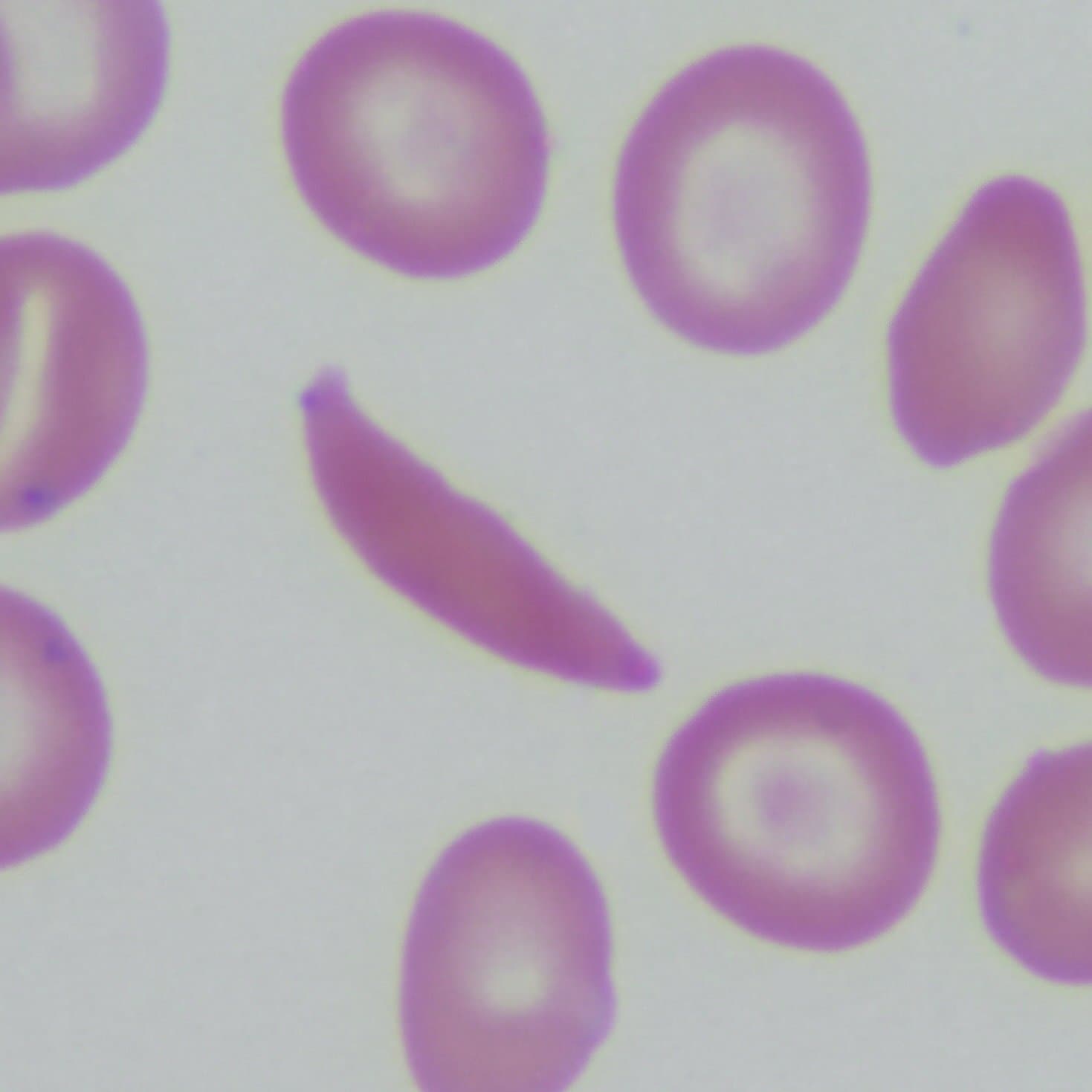
- A one-time cure is the goal — severe genetic diseases like sickle cell disease or beta-thalassemia where a single permanent correction eliminates the disease.
- The edit type is not A-to-G — diseases caused by deletions, insertions, or base changes other than G-to-A.
- Ex vivo editing is possible — blood disorders where stem cells can be edited outside the body and returned to the patient, avoiding in vivo delivery challenges.
- The affected tissue is accessible — conditions where the target cells can be reached effectively with current delivery technology.
Combination Approaches
An emerging paradigm is the sequential use of both modalities: RNA editing to validate that correcting a specific mutation produces therapeutic benefit (a "reversible proof of concept"), followed by permanent DNA editing once the approach is confirmed to be safe and effective. This "try before you buy" strategy reduces the risk of permanent interventions and may become standard practice in genetic medicine.
Challenges and the Road Ahead
For all its promise, RNA editing faces real obstacles that the field must overcome before it can fulfill its potential.
Efficiency Limitations
Current endogenous ADAR recruitment strategies achieve editing efficiencies of 30-70% in the liver — sufficient for many indications but potentially inadequate for diseases requiring near-complete correction. Efficiency in non-liver tissues is generally lower due to variable ADAR expression levels. Improving efficiency without sacrificing specificity remains a central challenge.
Off-Target RNA Editing
ADAR enzymes are not perfectly specific. Guide RNAs can create double-stranded RNA structures at unintended sites, leading to off-target A-to-I edits elsewhere in the transcriptome. While these off-target edits are temporary (unlike permanent DNA off-targets), they could have functional consequences if they occur in critical transcripts. The field needs better computational tools for predicting and minimizing off-target editing, as well as more sensitive methods for detecting low-level off-target events across the transcriptome.
Delivery Beyond the Liver
GalNAc conjugation has solved liver delivery, but most diseases affect non-liver tissues. Delivering guide RNAs to the central nervous system, heart, lung, kidney, and skeletal muscle remains a major challenge. Strategies under investigation include:
- Intrathecal injection for CNS delivery
- Lipid nanoparticles (LNPs) with tissue-tropic lipid compositions
- Antibody-oligonucleotide conjugates for targeted delivery to specific cell types
- AAV vectors expressing guide RNAs for long-term editing in non-liver tissues
- Inhaled formulations for lung delivery
Each approach brings its own set of delivery efficiency, toxicity, and manufacturing challenges.
Durability and Repeat Dosing
The transience of RNA editing is both its greatest advantage and its most significant practical limitation. Patients will need repeat dosing — likely subcutaneous injections every few weeks to months for GalNAc-conjugated approaches. While this is standard for many chronic therapies, it contrasts with the "one and done" appeal of permanent gene editing or gene therapy. Patient adherence, long-term safety of chronic oligonucleotide exposure, and cumulative cost will all be important factors.
The Clinical Trial Landscape
The RNA editing clinical pipeline is expanding rapidly:
-
Wave Life Sciences' WVE-006 for AATD is the most advanced clinical program, with Phase 1/2 data demonstrating proof of concept for endogenous ADAR-mediated editing in humans.
-
Korro Bio has advanced programs targeting liver diseases using proprietary ADAR-recruiting oligonucleotides, with IND-enabling studies underway.
-
Prime Medicine's PM577a — while technically a prime editing program — has filed an IND for H1 2026, reflecting the broader momentum in precision RNA-level therapeutics. Prime Medicine's approach uses prime editors to make precise DNA changes, but the company's progress is indicative of the regulatory and clinical infrastructure being built for nucleotide-level precision therapies.
-
ProQR Therapeutics continues to advance its RNA editing programs for genetic eye diseases, where local delivery via intravitreal injection bypasses the systemic delivery challenge.
-
Academic-stage programs in editopes and adaptamers are expected to enter clinical development by 2027, pending successful completion of IND-enabling preclinical studies.
Expanding the Edit Repertoire
ADAR naturally performs only A-to-I (A-to-G) editing. This limits the mutations that can be corrected. Efforts to expand the repertoire include:
- APOBEC-mediated C-to-U RNA editing: Recruiting cytidine deaminase enzymes to perform C-to-U changes at the RNA level, analogous to what cytosine base editors do at the DNA level.
- Engineered ADAR variants: Modifying ADAR's catalytic domain to accept non-natural substrates or perform novel chemistry.
- Dual-enzyme approaches: Combining ADAR and APOBEC recruitment to enable both A-to-G and C-to-U editing at the RNA level.
These approaches are still in early research stages but could dramatically expand the therapeutic scope of RNA editing.
Frequently Asked Questions
What is RNA editing and how does it differ from DNA editing?
RNA editing modifies the messenger RNA (mRNA) that cells transcribe from DNA, rather than altering the DNA itself. Because mRNA is a transient molecule with a lifespan of hours to days, RNA edits are inherently temporary and reversible — the underlying DNA remains completely intact. DNA editing tools like CRISPR-Cas9, base editing, and prime editing make permanent, irreversible changes to the genome.
How does ADAR-based RNA editing work and why is it safer than CRISPR?
ADAR (Adenosine Deaminases Acting on RNA) enzymes are naturally present in human cells and convert adenosine (A) to inosine (I) in double-stranded RNA, which the cell reads as a G. Therapeutic approaches like Wave Life Sciences' AIMer platform deliver only a short guide RNA that recruits the patient's own ADAR enzymes — no foreign protein is needed. This means lower immunogenicity, simpler delivery, and no risk of permanent off-target DNA mutations.
Is RNA editing permanent or does it wear off?
RNA editing is not permanent — it is inherently temporary because mRNA molecules are degraded and replaced within hours to days. This means patients need repeat dosing, typically subcutaneous injections every few weeks to months for GalNAc-conjugated approaches. However, this transience is also a key safety feature: if an unwanted effect occurs, simply stopping the guide RNA allows the cell to return to its unedited baseline.
What companies are developing RNA editing therapeutics?
Wave Life Sciences leads the field with its AIMer platform and a clinical-stage program (WVE-006) for alpha-1 antitrypsin deficiency, backed by a GSK partnership worth up to $3.4 billion in milestones. Korro Bio is advancing proprietary ADAR-recruiting oligonucleotides for liver diseases. ProQR Therapeutics is developing RNA editing for genetic eye diseases. Academic groups at the Broad Institute developed adaptamers (drug-responsive gene switches), and researchers at UC San Diego and DKFZ pioneered editopes for cancer immunotherapy.
What diseases can RNA editing treat?
RNA editing is currently best suited for diseases caused by G-to-A point mutations in liver-expressed genes, with Wave's lead program targeting alpha-1 antitrypsin deficiency (AATD). Beyond correcting mutations, adaptamers enable tunable, drug-controlled gene therapy (demonstrated with FGF21 for metabolic disease in mice), and editopes use ADAR editing to create tumor-specific neoantigens for cancer immunotherapy, with Phase 1 trials expected by late 2026 or early 2027.
The Bottom Line
RNA editing in 2026 is no longer a niche curiosity confined to academic labs and early-stage biotech companies. It is a maturing therapeutic modality with its own clinical-stage platform (Wave's AIMers), its own breakthrough application (adaptamer-controlled gene switches), and its own emerging frontier in immuno-oncology (editopes).
The whiteboard marker is proving mightier than the chisel — not for every application, but for a large and growing set of diseases where reversibility, tunability, and repeat dosing matter more than permanence. The field's progression from concept to clinic has been faster than many predicted, driven by the convergence of three enabling technologies: chemically modified oligonucleotide chemistry refined over decades by the antisense and siRNA fields, GalNAc-mediated liver delivery validated by multiple approved drugs, and deep understanding of ADAR biology accumulated over thirty years of basic research.
For patients, the practical implications are significant. RNA editing therapeutics look and feel more like conventional drugs than like gene therapy: subcutaneous injections, dose adjustments, the ability to stop treatment. For the field of genetic medicine, RNA editing fills a critical gap between small-molecule drugs (which cannot address most genetic diseases) and permanent DNA editing (which is irreversible and difficult to dose). And for the future of gene therapy, adaptamers promise to transform one-shot, always-on treatments into controllable, tunable interventions that clinicians and patients can manage like any other medicine.
The year 2026 will be remembered as the year RNA editing moved from proof of concept to therapeutic reality. The question is no longer whether RNA editing works — it does. The question is how far it can go.
Sources & Further Reading
-
Merkle, T. et al. "Precise RNA editing by recruiting endogenous ADARs with antisense oligonucleotides." Nature Biotechnology, 37, 133-138 (2019).
-
Cox, D.B.T. et al. "RNA editing with CRISPR-Cas13." Science, 358, 1019-1027 (2017).
-
Monian, P. et al. "Endogenous ADAR-mediated RNA editing in non-human primates using stereopure chemically modified oligonucleotides." Nature Biotechnology, 40, 1093-1102 (2022).
-
Wave Life Sciences. "WVE-006 Phase 1/2 Clinical Data: Alpha-1 Antitrypsin Deficiency." Investor presentation (2025).
-
Bryant, D.H. et al. "Programmable RNA editing switches for tunable gene therapy." Nature Biotechnology (2025).
-
Rauch, S. et al. "Programmable RNA-guided RNA effector proteins built from human parts." Cell, 178, 122-134 (2019).
-
Katrekar, D. et al. "In vivo RNA editing of point mutations via RNA-guided adenosine deaminases." Nature Methods, 16, 239-242 (2019).
-
Qu, L. et al. "Programmable RNA editing by recruiting endogenous ADAR using engineered RNAs." Nature Biotechnology, 37, 1059-1069 (2019).
-
Vogel, P. & Stafforst, T. "Critical review on engineering deaminases for site-directed RNA editing." Current Opinion in Biotechnology, 55, 74-80 (2019).
-
Booth, B.J. et al. "RNA editing: expanding the potential of RNA therapeutics." Molecular Therapy, 31, 1533-1549 (2023).
-
ProQR Therapeutics. "Axiomer RNA Editing Technology Platform." Company website (2026).
-
Korro Bio. "Endogenous ADAR-Mediated RNA Editing Pipeline." Company website (2026).
-
Rees, H.A. & Liu, D.R. "Base editing: precision chemistry on the genome and transcriptome of living cells." Nature Reviews Genetics, 19, 770-788 (2018).