What if you could silence a disease gene or reactivate a protective one — without permanently altering a single letter of DNA? No cuts, no deletions, no insertions. Just a quiet chemical nudge that tells a gene to shut up or wake up.
That is no longer a thought experiment. In 2026, a growing arsenal of epigenetic editing tools is giving researchers the ability to control gene activity by rewriting the chemical annotations that sit on top of DNA, leaving the underlying genetic code completely intact. Think of it as adding or removing sticky notes on a cookbook — the recipe stays the same, but you change which recipes the cell reads.
The implications are enormous. If traditional CRISPR is genome surgery, epigenetic editing is genome software programming. And the most exciting part? The changes are potentially reversible. If something goes wrong, you might be able to undo it.
This deep dive explores how epigenetic editing works, why the field is accelerating in 2026, and what it could mean for patients with sickle cell disease, cancer, neurological disorders, and beyond.
What Is Epigenetic Editing?
Every cell in your body carries the same DNA — roughly 3 billion base pairs encoding about 20,000 genes. Yet a neuron behaves nothing like a liver cell. The difference lies not in the DNA sequence itself but in the epigenome: the constellation of chemical tags and structural modifications that determine which genes are switched on or off in any given cell.
The Epigenome: DNA's Software Layer
The two most studied epigenetic marks are:
- DNA methylation — the addition of a small methyl group (CH3) to cytosine bases, typically at CpG dinucleotides. Heavy methylation in a gene's promoter region generally silences that gene.
- Histone modifications — chemical tags (acetyl groups, methyl groups, phosphate groups, and others) attached to the histone proteins around which DNA is wound. These modifications loosen or tighten the chromatin structure, making genes more or less accessible to the cell's transcription machinery.
Together, these marks form a layer of regulatory information that sits on top of the DNA sequence. A useful analogy: if DNA is the hardware of the cell — the fixed circuitry — then epigenetics is the software that tells the hardware what to do. Epigenetic editing, therefore, is reprogramming the software without replacing the hardware.
How It Differs from Traditional CRISPR
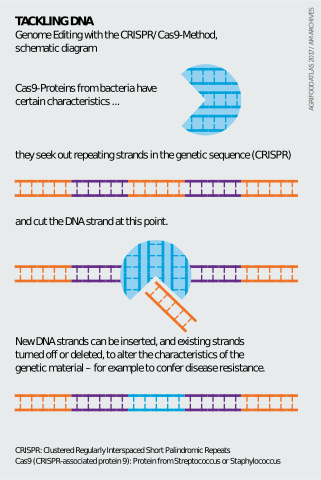
Standard CRISPR-Cas9 editing makes permanent changes to the DNA sequence. The Cas9 nuclease cuts both strands of the double helix at a targeted location, and the cell's repair machinery patches the break — sometimes introducing insertions, deletions, or precise corrections in the process. These changes are irreversible.
Epigenetic editing, by contrast, does not cut DNA at all. Instead, it uses engineered proteins to add or remove chemical marks at specific genomic locations. The DNA sequence remains untouched. The gene is simply told to be quiet or to speak up.
Beyond CRISPRi and CRISPRa
Readers familiar with the CRISPR field may know about CRISPRi (CRISPR interference) and CRISPRa (CRISPR activation), which use a catalytically dead Cas9 (dCas9) fused to transcriptional repressors or activators to dial genes down or up. These systems work, but their effects are generally transient — they require continuous expression of the dCas9 fusion protein to maintain gene silencing or activation. Once the protein is gone, the gene returns to its original state.
The new generation of epigenetic editors aims for something different: durable but reversible changes. By writing genuine epigenetic marks — methylation, demethylation, histone modifications — these tools can alter gene expression in ways that persist through cell divisions, much as natural epigenetic programs do during development. Yet because the DNA itself is uncut, the changes remain, in principle, reversible with a second round of editing.
This combination of durability and reversibility is what makes epigenetic editing so compelling as a therapeutic strategy.
The Molecular Toolkit
The core architecture of most epigenetic editors follows a simple modular design: a DNA-targeting domain that navigates to a specific genomic address, fused to an effector domain that writes or erases an epigenetic mark once it arrives.
DNA-Targeting Platforms
Three main platforms are used to guide effectors to the right genomic location:
- dCas9 (dead Cas9) — the most widely used platform. dCas9 carries mutations in both nuclease domains (D10A and H840A), rendering it unable to cut DNA while retaining its ability to bind any target specified by a guide RNA. Its ease of reprogramming — just change the guide RNA — makes it the workhorse of the field.
- Zinc finger proteins (ZFPs) — engineered arrays of zinc finger domains, each recognizing a 3-base-pair DNA triplet. ZFPs predate CRISPR and offer a smaller protein footprint, which can be advantageous for delivery. However, designing new ZFP arrays for each target is more laborious than swapping a guide RNA.
- TALEs (transcription activator-like effectors) — modular DNA-binding proteins from plant pathogenic bacteria. Each TALE repeat recognizes a single base pair, allowing highly specific targeting. Like ZFPs, TALEs must be engineered for each new target, but they offer excellent specificity.
Effector Domains
The effector domain determines what the editor does once it reaches its target. Here are the major classes:
| Effector Domain | Function | Effect on Gene Expression |
|---|---|---|
| DNMT3A / DNMT3L | DNA methyltransferases — add methyl groups to CpG sites | Silencing (turns genes off) |
| TET1 / TET2 / TET3 | Ten-eleven translocation enzymes — remove methyl groups (oxidize 5mC to 5hmC) | Activation (turns genes on) |
| KRAB (Kruppel-associated box) | Recruits the KAP1/SETDB1 complex to deposit H3K9me3 (repressive histone mark) | Silencing |
| p300 (histone acetyltransferase) | Adds acetyl groups to histone H3 at lysine 27 (H3K27ac), an active enhancer mark | Activation |
| EZH2 | Histone methyltransferase — deposits H3K27me3 (Polycomb-mediated repression) | Silencing |
| LSD1 | Histone demethylase — removes H3K4me1/me2 marks from enhancers | Silencing (enhancer decommissioning) |
| VP64 / p65 / Rta (VPR) | Strong transcriptional activators (note: these are CRISPRa-style, not true epigenetic writers) | Activation (transient) |
Combinatorial Approaches
Researchers have discovered that combining multiple effector domains can dramatically improve the durability and magnitude of epigenetic editing. For example:
- Fusing DNMT3A with its cofactor DNMT3L increases methylation efficiency at target sites by mimicking the natural de novo methylation complex.
- Combining KRAB with DNMT3A/DNMT3L (the so-called CRISPRoff system, developed by Luke Gilbert's and Jonathan Weissman's labs) can achieve gene silencing that persists through dozens of cell divisions — and even through differentiation of induced pluripotent stem cells — because it deposits both repressive histone marks and DNA methylation simultaneously.
- The inverse system, CRISPRon, uses TET1 fusions to remove methylation and reactivate silenced genes.
These combinatorial tools represent the state of the art in early 2026 and are central to the most exciting preclinical breakthroughs.
The 2026 Breakthrough: Reactivating Fetal Hemoglobin Without DNA Cuts
In January 2026, a team at the University of New South Wales (UNSW) Sydney published research that electrified the gene therapy community. Using epigenetic editing, they demonstrated that removing methyl tags from specific regulatory regions could reactivate HBF — the gene encoding fetal hemoglobin (HbF) — in adult red blood cell precursors.
Why Fetal Hemoglobin Matters
During fetal development, humans produce a form of hemoglobin (HbF) that binds oxygen more tightly than the adult form (HbA). Shortly after birth, the body naturally silences HBF and switches to producing adult hemoglobin. This developmental switch is governed largely by the transcription factor BCL11A, which represses HBF expression in adult erythroid cells.
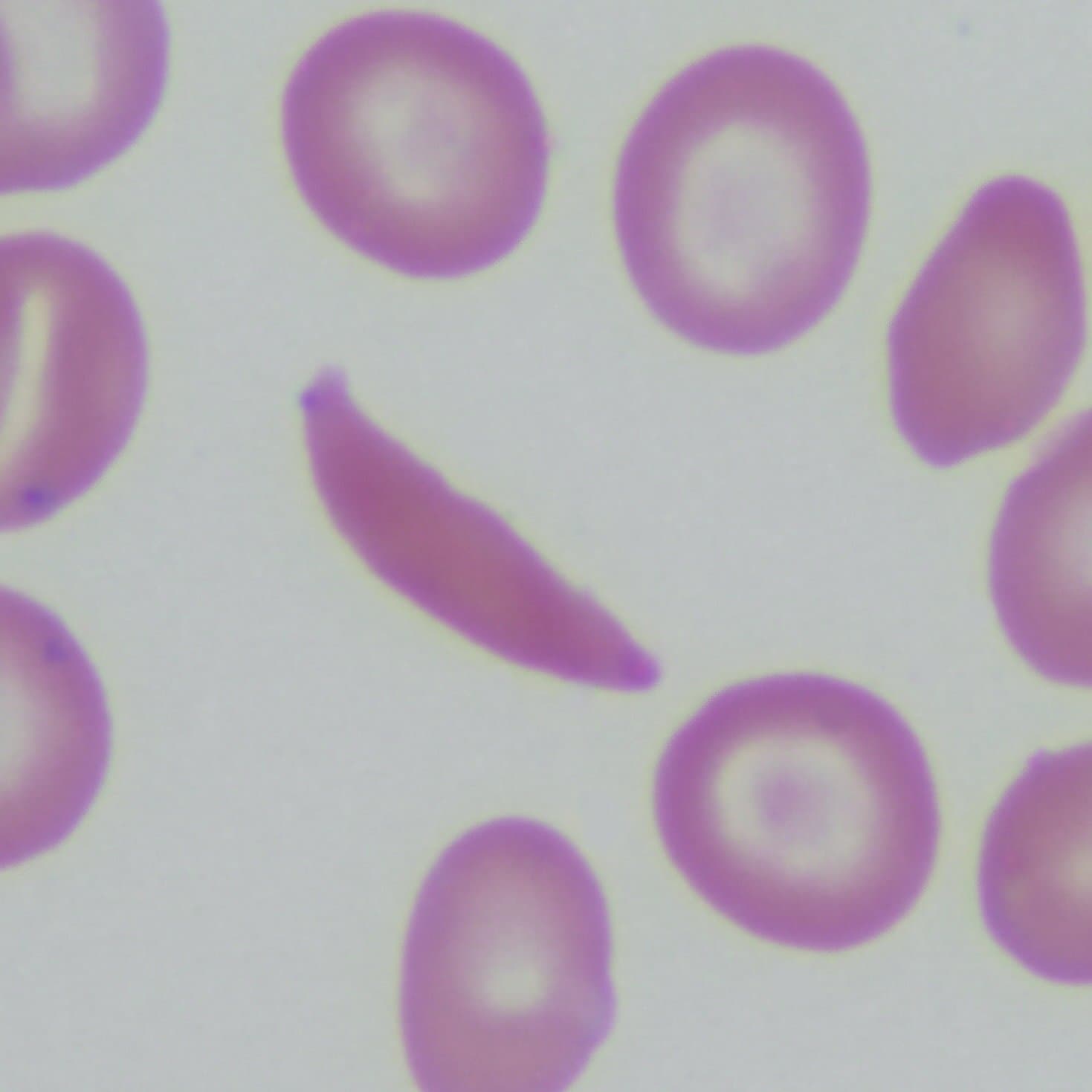
For most people, the fetal-to-adult hemoglobin switch is medically irrelevant. But for patients with sickle cell disease (SCD) or beta-thalassemia, reactivating fetal hemoglobin is a potential cure. HbF does not sickle, and even modest increases in HbF levels can dramatically reduce disease severity.
The Current Gold Standard: Casgevy
The existing approved approach to HbF reactivation is Casgevy (exagamglogene autotemcel), developed by Vertex Pharmaceuticals and CRISPR Therapeutics. Casgevy uses standard CRISPR-Cas9 to make a permanent double-strand break in the erythroid-specific enhancer of BCL11A, disabling the repressor and allowing HBF to reactivate. It was the first CRISPR-based therapy approved by the FDA (December 2023) and has shown remarkable clinical results.
However, Casgevy's mechanism involves irreversible DNA cuts. This carries inherent risks:
- Off-target mutations — Cas9 can cut at unintended genomic sites, potentially disrupting other genes.
- Chromosomal rearrangements — Double-strand breaks can occasionally trigger large-scale genomic rearrangements, including translocations.
- On-target damage — Even at the intended site, the repair process is imprecise, producing a heterogeneous mixture of insertion and deletion mutations.
The Epigenetic Alternative
The UNSW team took a fundamentally different approach. Instead of cutting BCL11A or any other gene, they used a dCas9-TET1 fusion to remove methyl groups from the HBF promoter region. By erasing the methylation marks that help keep HBF silent in adult cells, they coaxed the gene back into activity — without touching the DNA sequence.
Key findings from the UNSW research:
- No DNA cuts were made. The dCas9 protein was catalytically dead; the TET1 domain performed targeted demethylation only.
- Fetal hemoglobin was reactivated to therapeutically meaningful levels in erythroid progenitor cells.
- The effect was durable, persisting through multiple rounds of cell division in culture — consistent with genuine epigenetic reprogramming rather than transient transcriptional activation.
- Reversibility was preserved. In principle, a second round of editing with a DNMT3A fusion could re-silence HBF if needed.
Why This Matters
The significance of this work extends far beyond sickle cell disease. It provides a proof of concept that epigenetic editing can achieve clinically relevant changes in gene expression without any of the safety risks associated with DNA double-strand breaks. If the approach translates to in vivo settings and eventually to patients, it could offer a safer alternative to Casgevy — one that preserves the integrity of the genome while still delivering a functional cure.
The reversibility angle is particularly important. With permanent DNA editing, if an unintended consequence emerges months or years after treatment, there is no way to undo the edit. With epigenetic editing, at least in theory, errors could be corrected by a subsequent round of targeted methylation or demethylation.
Advantages Over Permanent Gene Editing
The UNSW fetal hemoglobin work highlights several broader advantages that epigenetic editing holds over conventional genome surgery.
No Double-Strand Breaks
This is the single most important safety advantage. Double-strand breaks (DSBs) are the most dangerous form of DNA damage a cell can experience. The cell's repair pathways — non-homologous end joining (NHEJ) and homology-directed repair (HDR) — are error-prone in different ways. NHEJ introduces small insertions and deletions; HDR, while precise, is inefficient in most therapeutically relevant cell types. Occasionally, DSBs trigger large deletions, inversions, or translocations — events that can be oncogenic.
Epigenetic editing avoids DSBs entirely. The DNA backbone is never cut. This eliminates an entire category of genotoxic risk.
No Off-Target Mutations in the DNA Sequence
Standard CRISPR can cut at off-target sites that share partial sequence homology with the intended target. Even with high-fidelity Cas9 variants, the risk of off-target cleavage is never zero. Epigenetic editors, because they do not cut, cannot introduce off-target mutations in the DNA sequence. They can, however, deposit unwanted epigenetic marks at off-target sites — a form of "epigenetic off-target" effect — but these marks do not permanently alter the genome and may be correctable.
Reversibility
Perhaps the most philosophically important advantage. Permanent genome editing is, by definition, irreversible. Once a base is changed or a segment is deleted, it cannot be restored (short of a second round of editing that reintroduces the original sequence, which is technically challenging). Epigenetic marks, by contrast, can be written and erased. A gene silenced by targeted methylation can be reactivated by targeted demethylation, and vice versa.
This reversibility provides a crucial safety net for therapeutic applications. If a treatment produces unexpected side effects, clinicians could, in principle, administer a "corrective" epigenetic edit to restore the original gene expression pattern.
Tunable Gene Expression
Traditional gene editing is largely binary: a gene is knocked out or it is not. Epigenetic editing offers a dimmer switch rather than an on/off toggle. By varying the number and placement of guide RNAs, the choice of effector domain, and the dosage of the editing complex, researchers can titrate gene expression to desired levels. This is critical for genes where complete silencing would be harmful but partial reduction would be therapeutic — a common scenario in diseases involving gene dosage sensitivity.
Biological Precedent
Epigenetic changes are not foreign to biology. Every cell in the body uses DNA methylation and histone modifications to regulate gene expression during development, differentiation, and homeostasis. Epigenetic editing is, in a sense, speaking the cell's native regulatory language. This biological naturalness may translate to better tolerability compared to approaches that introduce unnatural DNA lesions.
Clinical Applications Taking Shape
While epigenetic editing is still largely preclinical, several therapeutic areas are advancing rapidly toward translational milestones.
Blood Disorders
The fetal hemoglobin reactivation work described above is the most clinically advanced application. Beyond sickle cell disease and beta-thalassemia, researchers are exploring epigenetic approaches to other hemoglobinopathies and bone marrow failure syndromes where modulating gene expression — rather than correcting a specific mutation — could be therapeutic.
Cancer
Cancer is, in many ways, a disease of the epigenome. Tumor cells exhibit widespread epigenetic dysregulation: oncogenes are often hypomethylated (and therefore overactive), while tumor suppressor genes are frequently hypermethylated (and therefore silenced). Epigenetic editing offers two compelling strategies:
- Silencing oncogenes — using dCas9-DNMT3A/DNMT3L or dCas9-KRAB fusions to methylate and silence cancer-driving genes like MYC, KRAS, or HER2.
- Reactivating tumor suppressors — using dCas9-TET1 or dCas9-p300 fusions to demethylate and reactivate genes like p16/CDKN2A, BRCA1, or MLH1 that have been epigenetically silenced in tumor cells.
Several academic groups are pursuing these strategies in preclinical models of breast cancer, colorectal cancer, glioblastoma, and hematological malignancies. The challenge, as always, is achieving sufficient delivery and specificity in vivo.
Neurological Diseases
The central nervous system is an attractive target for epigenetic editing because many neurological diseases involve aberrant gene silencing:
- Fragile X syndrome — caused by a CGG trinucleotide repeat expansion in the FMR1 gene that triggers hypermethylation and silencing. Epigenetic editing with TET1 fusions has been shown to reactivate FMR1 in patient-derived neurons in the laboratory, restoring production of the FMRP protein.
- Huntington's disease — researchers are exploring whether epigenetic silencing of the mutant HTT allele (while preserving the normal allele) could reduce toxic huntingtin protein levels without the risks of DNA cutting.
- Angelman syndrome — caused by loss of the maternal UBE3A gene. The paternal copy is epigenetically silenced by an antisense transcript. Epigenetic reactivation of the paternal UBE3A could restore protein production.
Immune Dysregulation
Epigenetic editing may prove valuable in modulating immune cell function. Applications under investigation include:
- Enhancing T cell persistence and anti-tumor activity in CAR-T cell therapy by epigenetically reprogramming exhaustion-associated gene expression patterns.
- Silencing genes involved in autoimmune activation to treat conditions like lupus or rheumatoid arthritis.
- Modulating regulatory T cell (Treg) stability by reinforcing the epigenetic program that maintains FOXP3 expression.
Drug Screening and Regenerative Medicine
Beyond direct therapeutic use, epigenetic editing tools are transforming the drug discovery pipeline. Researchers can now create precise disease models by epigenetically silencing or activating specific genes in cell lines or organoids, enabling high-throughput screening for compounds that reverse pathological epigenetic states. In regenerative medicine, epigenetic editing is being explored as a means to improve the efficiency and safety of cellular reprogramming — for example, by erasing aberrant epigenetic memories in induced pluripotent stem cells (iPSCs).
Challenges and Limitations
For all its promise, epigenetic editing faces substantial hurdles on the road to clinical application.
Durability: How Long Do Edits Last?
The central question. Natural epigenetic marks are maintained through cell division by maintenance methyltransferases (like DNMT1, which copies methylation patterns to newly synthesized DNA strands). However, artificially deposited marks may not always be faithfully maintained. Some studies have shown durable silencing lasting months in cell culture; others have observed gradual erosion of epigenetic marks over time.
The CRISPRoff system (combining KRAB with DNMT3A/DNMT3L) has demonstrated impressive durability — silencing persisting through iPSC differentiation, which involves extensive epigenetic reprogramming. But whether this durability will hold in a living organism over years remains an open question.
If edits fade, patients might require periodic re-dosing — a significant practical challenge given the complexity of current delivery methods.
Delivery
This may be the single greatest obstacle. The dCas9 protein alone is already large (~160 kDa). Fusing it to an effector domain like DNMT3A/DNMT3L creates a construct that exceeds the packaging capacity of standard adeno-associated virus (AAV) vectors, the most clinically validated gene delivery platform.
Current delivery strategies include:
- Lipid nanoparticles (LNPs) carrying mRNA encoding the dCas9-effector fusion and the guide RNA. This approach avoids the size limitations of AAV and provides transient expression (the mRNA is degraded after translation), which may actually be desirable — a brief burst of epigenetic editor expression may be sufficient to write lasting marks.
- Split-intein systems that divide the dCas9-effector fusion across two AAV vectors, which reassemble inside the cell.
- Virus-like particles (VLPs) and engineered extracellular vesicles for direct protein delivery.
- Ex vivo editing of patient cells (as in the fetal hemoglobin approach), followed by transplantation back into the patient.
Each approach has trade-offs in terms of efficiency, immunogenicity, tissue tropism, and manufacturing scalability.
Specificity
Epigenetic editors guided by dCas9 inherit the same off-target binding tendencies as active Cas9 — the guide RNA can direct the complex to unintended genomic sites with partial sequence complementarity. While no DNA cuts occur at these sites, unwanted epigenetic marks could still be deposited, potentially altering expression of off-target genes.
Improving specificity remains an active area of research. Strategies include using high-fidelity dCas9 variants, optimizing guide RNA design, and employing split-effector architectures that require two guide RNAs to converge at the same locus before the effector becomes active.
Limited Clinical Data
As of early 2026, no epigenetic editing therapy has entered a human clinical trial. All data come from cell culture experiments and animal models. The translation from bench to bedside will require rigorous demonstration of safety, efficacy, durability, and manufacturing consistency — a process that typically takes years.
Epigenetic Context Dependency
Not all genomic regions respond equally to epigenetic editing. The pre-existing chromatin state, the density of CpG islands, the presence of insulator elements, and the activity of endogenous chromatin remodelers can all influence whether an artificially deposited mark "sticks" or is rapidly erased by the cell's own epigenetic maintenance machinery.
Companies and Programs to Watch
The epigenetic editing landscape in 2026 includes a mix of established biotech companies, newly funded startups, and leading academic laboratories.
Companies
- Chroma Medicine (Cambridge, MA) — Founded in 2021 by a team including pioneering epigenetic editing researchers, Chroma Medicine is building a pipeline of epigenetic editors targeting liver diseases, hematological disorders, and neurological conditions. The company uses a proprietary platform combining dCas9 with optimized effector domains and has raised substantial venture capital to advance its lead programs toward IND-enabling studies.
- Tune Therapeutics (Durham, NC) — Spun out of Duke University research, Tune focuses on programmable epigenetic control of gene expression. Their platform emphasizes the tunability of epigenetic editing — the ability to dial gene expression up or down to precise levels. Lead programs target oncology and immunology.
- Navega Therapeutics (San Diego, CA) — Focused on epigenetic approaches to chronic pain, Navega is developing non-addictive pain treatments that epigenetically silence pain-related genes in sensory neurons.
- Epicrispr Biotechnologies — Working on next-generation CRISPRoff/CRISPRon systems for durable gene silencing and reactivation, with a focus on liver-directed therapies.
Academic Laboratories
- Luke Gilbert's lab (Yale University) and Jonathan Weissman's lab (MIT/Whitehead Institute) — co-developers of the CRISPRoff/CRISPRon platform, which remains one of the most influential epigenetic editing tools.
- Angelo Bhatt's group (UNSW Sydney) — responsible for the 2026 fetal hemoglobin reactivation breakthrough.
- Rudolf Jaenisch's lab (MIT/Whitehead Institute) — long-standing leader in epigenetics and reprogramming, now applying these tools to disease modeling and therapeutic development.
- Marianne Rots' group (University Medical Center Groningen, Netherlands) — a pioneer in the field who has been refining zinc finger- and dCas9-based epigenetic editors for over a decade.
Timeline for Clinical Trials
The most optimistic estimates place the first epigenetic editing clinical trials in late 2026 or 2027, likely for ex vivo applications in blood disorders or cancer where edited cells can be characterized extensively before transplantation. In vivo applications — direct delivery to organs like the liver or brain — will likely follow in 2028-2029, pending resolution of delivery and durability challenges.
Frequently Asked Questions
What is epigenetic editing and how does it work?
Epigenetic editing is a technique that turns genes on or off by adding or removing chemical tags — such as DNA methylation and histone modifications — on top of the DNA, without cutting or altering the underlying genetic sequence. It uses engineered proteins like dCas9 fused to effector domains (e.g., DNMT3A for silencing or TET1 for activation) to modify these chemical annotations at specific genomic locations.
How does epigenetic editing differ from traditional CRISPR gene editing?
Standard CRISPR-Cas9 makes permanent double-strand breaks in the DNA sequence, which are repaired by error-prone cellular machinery and carry risks of off-target mutations and chromosomal rearrangements. Epigenetic editing uses a catalytically dead Cas9 (dCas9) that cannot cut DNA — it only modifies the chemical marks that regulate gene expression, leaving the DNA sequence completely intact.
Is epigenetic editing reversible?
Yes, in principle. Because epigenetic editing does not alter the DNA sequence, the changes can be reversed with a second round of editing. For example, a gene silenced by targeted methylation using a dCas9-DNMT3A fusion could be reactivated by a subsequent treatment with a dCas9-TET1 fusion that removes the methyl groups. This reversibility provides a crucial safety net that permanent DNA editing cannot offer.
What diseases could epigenetic editing treat?
Epigenetic editing is being explored for sickle cell disease and beta-thalassemia (by reactivating fetal hemoglobin), cancer (silencing oncogenes or reactivating tumor suppressors like p16 and BRCA1), neurological disorders including Fragile X syndrome, Huntington's disease, and Angelman syndrome, and immune dysregulation conditions. The UNSW Sydney team demonstrated in January 2026 that epigenetic editing could reactivate fetal hemoglobin to therapeutically meaningful levels without DNA cuts.
When will epigenetic editing clinical trials begin?
The most optimistic estimates place the first epigenetic editing clinical trials in late 2026 or 2027, likely for ex vivo applications in blood disorders or cancer. In vivo applications targeting organs like the liver or brain will likely follow in 2028-2029. Companies like Chroma Medicine, Tune Therapeutics, and Navega Therapeutics are advancing programs toward IND-enabling studies.
The Bottom Line
Epigenetic editing represents a fundamental shift in how we think about therapeutic gene modulation. Instead of permanently rewriting the genetic code, it works within the cell's own regulatory framework — adding and removing the chemical annotations that control which genes are active and which are silent.
The advantages are clear: no DNA cuts, no risk of permanent off-target mutations, potential reversibility, and the ability to tune gene expression rather than simply switching genes on or off. The 2026 fetal hemoglobin breakthrough from UNSW Sydney demonstrated that these advantages are not merely theoretical — epigenetic editing can achieve clinically meaningful changes in gene expression in a disease-relevant context.
The challenges are equally real: durability remains uncertain, delivery is difficult, and clinical data are nonexistent. The field is where traditional CRISPR gene editing was around 2015-2016 — bursting with potential but years away from routine clinical application.
Yet the trajectory is unmistakable. With well-funded companies building clinical pipelines, academic labs generating increasingly impressive preclinical data, and the inherent safety advantages of avoiding DNA breaks, epigenetic editing is positioned to become a major pillar of genetic medicine. The next few years will determine whether the promise of rewriting the epigenome — without rewriting the genome — can be fulfilled.
For patients with sickle cell disease, cancer, Fragile X syndrome, and dozens of other conditions rooted in aberrant gene expression, that promise cannot come soon enough.
Sources & Further Reading
- Nunez, J.K., Chen, J., Pommier, G.C., et al. "Genome-wide programmable transcriptional memory by CRISPR-based epigenome editing." Cell, 184(9), 2021. (The foundational CRISPRoff/CRISPRon paper.)
- Cappelluti, M.A., Mollica Poeta, V., Valsoni, S., et al. "Durable and efficient gene silencing in vivo by hit-and-run epigenome editing." Nature, 627, 2024.
- UNSW Sydney. "Epigenetic editing reactivates fetal hemoglobin without DNA cuts." UNSW Newsroom, January 2026.
- Amabile, A., Migliara, A., Capasso, P., et al. "Inheritable silencing of endogenous genes by hit-and-run targeted epigenetic editing." Cell, 167(1), 2016.
- Holtzman, L. & Gersbach, C.A. "Editing the epigenome: reshaping the genomic landscape." Annual Review of Genomics and Human Genetics, 19, 2018.
- Thakore, P.I., Black, J.B., Hilton, I.B., & Gersbach, C.A. "Editing the epigenome: technologies for programmable transcription and epigenetic modulation." Nature Methods, 13(2), 2016.
- Vertex Pharmaceuticals. "CASGEVY (exagamglogene autotemcel) prescribing information." FDA, 2023.
- Liu, X.S., Wu, H., Ji, X., et al. "Editing DNA methylation in the mammalian genome." Cell, 167(1), 2016.
- Vojta, A., Dobrinic, P., Tadic, V., et al. "Repurposing the CRISPR-Cas9 system for targeted DNA methylation." Nucleic Acids Research, 44(12), 2016.
- National Institutes of Health. "What is epigenomics?" National Human Genome Research Institute, 2025. genome.gov