
The Promise and the Problem
CAR-T cell therapy is one of the great success stories of modern medicine. Patients with aggressive blood cancers who had failed every available treatment -- chemotherapy, radiation, stem cell transplants, targeted drugs -- received a single infusion of genetically engineered T cells and walked out of the hospital in remission. Some of them are still cancer-free years later. The FDA has approved six CAR-T products since 2017, and the clinical results in certain blood cancers remain among the most impressive in oncology.
But there is a structural problem at the heart of autologous CAR-T that no amount of clinical success can paper over: the therapy is built on a manufacturing model that is inherently slow, expensive, and fragile.
Every autologous CAR-T dose is a custom product. A patient's blood is drawn. T cells are isolated and shipped to a centralized manufacturing facility, sometimes on another continent. The cells are genetically modified, expanded over two to four weeks, subjected to quality control testing, and shipped back to the treatment center. Only then can infusion begin. The list price for a single dose ranges from $373,000 for Yescarta to $465,000 for Carvykti, and total costs including hospitalization and management of side effects can exceed $1 million per patient [1].
For patients with fast-progressing cancers, those weeks of waiting can be fatal. Between 10 and 25 percent of enrolled patients in major autologous CAR-T trials either died or progressed beyond eligibility during the manufacturing window [2]. Manufacturing failures -- where the patient's T cells are too damaged or too few to produce a viable product -- occur in 1 to 10 percent of attempts, depending on the product and disease context [3]. And the requirement for dedicated manufacturing slots at a handful of specialized facilities creates bottlenecks that limit how many patients can be treated at any given time.
The question that has driven the allogeneic CAR-T field for the past decade is simple: can we make this therapy the way we make other drugs -- in large batches, from standardized starting material, stored on a shelf, and ready to administer the day a patient needs it?
 Cell therapy manufacturing requires highly specialized cleanroom facilities. Off-the-shelf approaches aim to simplify this process dramatically. Image: CSIRO, CC BY 3.0, via Wikimedia Commons.
Why Autologous Manufacturing Hits a Ceiling
To understand why the field is racing toward allogeneic solutions, it helps to appreciate just how many things can go wrong with autologous manufacturing.
Patient T cell quality varies enormously. Patients who have undergone multiple rounds of chemotherapy often have lymphopenia and exhausted T cells with reduced proliferative capacity. Older patients naturally have smaller naive T cell pools. The starting material for autologous CAR-T is, in many cases, already compromised before manufacturing begins.
Vein-to-vein time is measured in weeks. The fastest autologous products require approximately two weeks from leukapheresis to infusion-ready product, but three to five weeks is more typical. During this period, the patient's disease may progress and the clinical window may close.
Scaling is inherently limited. Each manufacturing run produces one dose for one patient. There is no economy of scale. Fixed costs per dose remain high regardless of how many patients are treated globally.
Geographic access is restricted. Autologous CAR-T requires proximity to both a qualified apheresis center and a treatment facility equipped to manage the complex side effect profile. In practice, this limits access to major academic medical centers in wealthy countries. Patients in sub-Saharan Africa, Southeast Asia, and Latin America are almost entirely excluded.
These are not problems that incremental improvements can solve. They are structural features of a personalized manufacturing model. Allogeneic CAR-T represents a fundamentally different architecture.
How Gene Editing Enables Off-the-Shelf CAR-T
The idea of using donor T cells instead of the patient's own cells is conceptually straightforward, but immunologically perilous. Transplanting one person's T cells into another triggers two potentially lethal immune reactions:
Graft-versus-host disease (GvHD): The donor T cells recognize the recipient's tissues as foreign and launch an attack. Severe GvHD can be fatal.
Host-versus-graft rejection: The recipient's immune system recognizes the donor cells as foreign and destroys them, eliminating the therapy before it can work.
Gene editing solves both problems through precise genetic knockouts. Here are the key modifications that define the current generation of allogeneic CAR-T products:
TRAC Knockout (Preventing GvHD)
The T-cell receptor alpha constant (TRAC) gene encodes a critical component of the endogenous T-cell receptor complex. When TRAC is disrupted, the donor T cells can no longer assemble a functional TCR on their surface. Without a TCR, the cells cannot recognize and attack the recipient's tissues, effectively eliminating the risk of GvHD. The CAR construct, which is introduced separately, provides the cells with a new targeting mechanism directed exclusively against the cancer antigen of interest [4].
B2M Knockout (Evading Host Immune Detection)
Beta-2-microglobulin (B2M) is an essential component of MHC class I molecules, the surface proteins that allow the recipient's CD8+ T cells to identify and destroy foreign cells. Knocking out B2M prevents MHC class I from being expressed on the surface of the allogeneic CAR-T cells, rendering them invisible to the host's cytotoxic T lymphocytes [5].
CD52 Knockout (Enabling Lymphodepletion)
CD52 is a surface protein targeted by the antibody alemtuzumab. By knocking out CD52 in the donor CAR-T cells, clinicians can use alemtuzumab as part of the lymphodepletion regimen to eliminate the patient's own immune cells (which express CD52) without harming the infused allogeneic product. This creates a permissive immunological environment for the donor cells to engraft and expand [6].
HLA-E Insertion (Protecting Against NK Cell Attack)
B2M knockout solves one problem but creates another. Natural killer (NK) cells patrol the body looking for cells that lack MHC class I -- a phenomenon called "missing self" recognition. B2M-knockout cells are invisible to CD8+ T cells but become targets for NK cells. To address this, some programs insert a non-classical MHC molecule called HLA-E, which engages the inhibitory receptor NKG2A on NK cells and signals them to stand down. This dual strategy -- removing the signal that triggers adaptive immunity while adding a signal that suppresses innate immunity -- is a key innovation in second-generation allogeneic CAR-T design [7].
 The T-cell receptor complex and MHC interactions are central to immune recognition. Allogeneic CAR-T engineering disrupts these pathways to prevent rejection. Image: Wikimedia Commons, CC BY-SA 3.0.
CRISPR Therapeutics: Zugo-cel Sets a New Clinical Standard
CRISPR Therapeutics, co-founded by Nobel laureate Emmanuelle Charpentier, has arguably generated the most compelling clinical data in the allogeneic CAR-T space with its lead oncology candidate, zugo-cel (CTX112).
Zugo-cel is a CD19-targeting allogeneic CAR-T product engineered with CRISPR-Cas9-mediated knockouts of TRAC (to prevent GvHD), B2M (to evade host T cell rejection), and an insertion of HLA-E (to protect against NK cell-mediated killing). This triple-edit strategy represents the most comprehensive immune evasion architecture in clinical testing.
The clinical results have been striking. In the Phase 1/2 COBALT-LYM study for relapsed or refractory large B-cell lymphoma (LBCL), zugo-cel demonstrated an overall response rate (ORR) of approximately 90 percent and a complete response (CR) rate of approximately 70 percent at the recommended Phase 2 dose [8]. These numbers approach -- and in some subgroups match -- the efficacy of approved autologous products like Yescarta and Breyanzi, a result that was far from guaranteed for an off-the-shelf product.
Importantly, the safety profile was favorable. GvHD, the feared complication of using donor cells, was not observed at clinically significant levels. Cytokine release syndrome (CRS) was predominantly low-grade, and immune effector cell-associated neurotoxicity syndrome (ICANS) rates were manageable.
CRISPR Therapeutics has also expanded zugo-cel's development beyond oncology. The company announced plans to evaluate the platform in autoimmune diseases, where CD19-targeting therapies have shown remarkable early results in conditions like systemic lupus erythematosus and systemic sclerosis. The off-the-shelf format is particularly suited to autoimmune applications, where manufacturing speed and cost are even more critical given the larger potential patient populations [9].
Caribou Biosciences: chRDNA and the Multi-Edit Approach
Caribou Biosciences, a company spun out of Jennifer Doudna's lab at UC Berkeley, uses a proprietary gene editing platform called chRDNA (CRISPR hybrid RNA-DNA guides). Unlike standard CRISPR guide RNAs that are composed entirely of RNA, chRDNA guides incorporate DNA nucleotides at specific positions, which Caribou reports improves specificity and reduces off-target editing [10].
CB-010: PD-1 Knockout for Enhanced Persistence
Caribou's lead program, CB-010, is a CD19-targeting allogeneic CAR-T product that includes a distinctive modification: in addition to the standard TRAC knockout, CB-010 features a PD-1 (PDCD1) knockout. PD-1 is the immune checkpoint receptor that tumors exploit to suppress T cell activity. By deleting PD-1 from the CAR-T cells, Caribou aims to produce cells that resist tumor-mediated immune suppression and maintain their cancer-killing activity longer within the patient.
In the Phase 1 ANTLER trial for relapsed or refractory B-cell non-Hodgkin lymphoma, CB-010 demonstrated encouraging early efficacy data, with complete response rates that compared favorably to historical autologous controls. The PD-1 knockout appeared to enhance the depth and durability of responses, supporting the hypothesis that checkpoint-resistant allogeneic cells can overcome one of the key limitations of the off-the-shelf format [11].
CB-011: BCMA-Targeting with HLA-E Stealth
Caribou's second clinical program, CB-011, targets BCMA (B-cell maturation antigen) for the treatment of relapsed or refractory multiple myeloma. CB-011 incorporates HLA-E insertion alongside TRAC and B2M knockouts, creating a stealth phenotype designed to resist both adaptive and innate immune rejection. The HLA-E approach is similar in concept to CRISPR Therapeutics' strategy, reflecting a broader consensus in the field that NK cell evasion is essential for allogeneic durability. CB-011 has entered clinical testing, with early data expected to inform the viability of the HLA-E platform across different cancer indications [10].
Allogene Therapeutics: ALLO-501A and the AlloCAR Platform
Allogene Therapeutics has built its entire corporate strategy around allogeneic CAR-T, developing a platform called AlloCAR T that uses TALEN gene editing (developed by its partner Cellectis) for the foundational genetic modifications.
ALLO-501A is the company's lead CD19-targeting product. In the Phase 2 ALPHA2 study for relapsed or refractory large B-cell lymphoma, ALLO-501A demonstrated overall response rates and complete response rates that, while numerically lower than the best autologous data, were considered clinically meaningful for a first-generation off-the-shelf product. The program has provided important data on lymphodepletion optimization, showing that the intensity and composition of the conditioning regimen significantly influence the expansion and persistence of allogeneic cells [12].
Allogene has also invested heavily in next-generation modifications, including anti-CD52 edits to enable alemtuzumab-based lymphodepletion and strategies to enhance T cell fitness. The company's approach reflects a methodical, platform-oriented development strategy that aims to iterate toward optimal allogeneic cell engineering.
Cellectis: The TALEN Pioneer with UCART
Cellectis predates the CRISPR era in allogeneic CAR-T development. The company's TALEN (Transcription Activator-Like Effector Nuclease) gene editing technology was one of the first precision editing tools to be applied to donor T cells, and Cellectis has been developing allogeneic CAR-T products since 2011 -- years before most competitors entered the space.
UCART19, the company's CD19-targeting product, was among the first allogeneic CAR-T therapies to enter clinical trials. It incorporates TALEN-mediated TRAC knockout and CD52 knockout, enabling an alemtuzumab-based lymphodepletion strategy. While UCART19's early clinical data demonstrated proof-of-concept -- showing that allogeneic CAR-T cells could produce responses without GvHD -- the remission durability was limited compared to autologous products, highlighting the persistence challenge that continues to define the field [13].
Cellectis has continued to develop its platform, leveraging TALEN's high precision and low off-target profile. The company's experience provides valuable longitudinal data on first-generation allogeneic approaches.
 A scanning electron micrograph of a human T cell. In allogeneic CAR-T therapy, healthy donor T cells are gene-edited to safely fight cancer in any patient. Image: NIAID, CC BY 2.0, via Wikimedia Commons.
BE-CAR7: Base Editing Rewrites the Playbook for T-ALL
One of the most compelling clinical stories in the allogeneic space comes not from CRISPR-Cas9 but from base editing. BE-CAR7, developed by a team at Great Ormond Street Hospital in London, uses cytosine base editors to engineer allogeneic CAR-T cells for the treatment of T-cell acute lymphoblastic leukemia (T-ALL).
T-ALL presents a unique challenge for CAR-T therapy. Because the cancer cells are themselves T cells, they share many surface markers with the therapeutic CAR-T cells. A conventional CAR-T product targeting a T cell marker would attack both the cancer and itself -- a problem known as fratricide. BE-CAR7 addresses this by using base editing to knock out the CD7 gene (a T cell marker) from the therapeutic cells while targeting CD7 on the leukemia cells, as well as knocking out the CD52 and TRAC genes to enable allogeneic use [14].
The clinical results have been remarkable. In early data from the study at Great Ormond Street Hospital, BE-CAR7 achieved remission in 82 percent of treated patients with relapsed or refractory T-ALL -- a disease with extremely poor prognosis and very limited treatment options. These results, presented at the American Society of Hematology (ASH) annual meeting, were widely regarded as among the most significant clinical advances in pediatric oncology in recent years [15].
The use of base editing rather than CRISPR-Cas9 nuclease is noteworthy. Base editors do not create double-strand DNA breaks, which reduces the risk of chromosomal translocations -- a particular concern when making multiple simultaneous edits, as required in allogeneic CAR-T manufacturing. The BE-CAR7 data suggest that base editing may offer a safety advantage for complex multi-gene editing applications.
The Persistence Problem: The Central Challenge
Across nearly all allogeneic CAR-T programs, one pattern has emerged consistently: the engineered cells do not persist as long in the patient's body as autologous CAR-T cells do. This is the single most important challenge facing the field.
Autologous CAR-T cells, because they are derived from the patient's own immune system, are immunologically self. The host immune system does not recognize them as foreign, allowing them to persist for months or even years -- providing ongoing surveillance against cancer recurrence. This durability is a key driver of the deep, lasting remissions seen with products like Kymriah and Yescarta.
Allogeneic cells, despite TRAC knockout, B2M knockout, and HLA-E insertion, are still not fully immunologically invisible. Several mechanisms contribute to their rejection:
Residual innate immunity. Even with HLA-E insertion, some NK cell-mediated killing appears to occur. The NK cell compartment is diverse, and not all NK cells express NKG2A at levels sufficient for HLA-E-mediated inhibition.
Antibody-mediated rejection. Recipients may develop antibodies against non-MHC antigens on the donor cells, leading to complement-mediated or antibody-dependent cellular cytotoxicity.
Immune reconstitution. The lymphodepletion regimen that creates space for the allogeneic cells is temporary. As the patient's immune system reconstitutes, it increasingly recognizes and eliminates the foreign cells. The clinical window of allogeneic CAR-T activity is, in most current programs, measured in weeks to low months rather than the months to years seen with autologous products [16].
The practical consequence is that allogeneic CAR-T may require redosing -- multiple infusions over time to maintain therapeutic coverage. This redosing model is feasible given the ready availability of off-the-shelf product, but it raises questions about cumulative immunogenicity (the patient's immune system may become increasingly efficient at rejecting repeated doses) and about the overall cost-effectiveness of a therapy that requires multiple administrations.
Century Therapeutics: The iPSC Alternative
Century Therapeutics is pursuing a fundamentally different approach to the allogeneic manufacturing problem. Rather than starting with donor T cells, Century derives its therapeutic cells from induced pluripotent stem cells (iPSCs).
iPSCs are adult cells that have been reprogrammed back to an embryonic-like state, from which they can be differentiated into virtually any cell type -- including T cells and NK cells. The advantage of an iPSC-based approach is that a single, fully characterized iPSC line can serve as an inexhaustible source of starting material. Every batch of therapeutic cells is genetically identical, eliminating donor-to-donor variability and enabling a level of manufacturing consistency that is impossible with primary donor T cells [17].
Century's lead programs use iPSC-derived cells engineered with multiple genetic modifications, including CAR insertion and immune evasion edits. The iPSC approach also enables modifications that are difficult to achieve in primary T cells, such as synthetic gene circuits that control cell behavior in response to environmental signals.
The challenge is that differentiating iPSCs into fully functional, mature T cells in vitro is technically demanding. iPSC-derived T cells do not always replicate the functional characteristics of naturally matured T cells. Century's clinical data will be critical for determining whether the manufacturing advantages of the iPSC platform can be realized without sacrificing therapeutic efficacy.
Autologous vs. Allogeneic: A Side-by-Side Comparison
| Feature | Autologous CAR-T | Allogeneic CAR-T |
|---|---|---|
| Cell source | Patient's own T cells | Healthy donor T cells or iPSCs |
| Manufacturing time | 3-5 weeks per patient | Pre-manufactured; available immediately |
| Cost per dose | $373,000-$465,000+ | Projected $50,000-$100,000 at scale |
| Doses per manufacturing run | 1 | Hundreds to thousands |
| Risk of GvHD | None | Mitigated by TRAC knockout |
| Risk of host rejection | None | Mitigated by B2M KO, HLA-E insertion |
| T cell fitness | Variable (patient-dependent) | Consistent (healthy donor) |
| Persistence | Months to years | Weeks to months (current data) |
| Redosing feasibility | Requires new manufacturing run | Readily available from inventory |
| Gene editing required | No (viral vector only) | Yes (CRISPR, TALEN, or base editing) |
| Regulatory complexity | Established pathway | Evolving; donor qualification adds steps |
| Geographic scalability | Limited by infrastructure | High; frozen product can ship globally |
What the Clinical Data Shows So Far
As of early 2026, the clinical picture for allogeneic CAR-T can be summarized as follows:
Response rates are approaching autologous benchmarks. CRISPR Therapeutics' zugo-cel has demonstrated ORR of ~90% and CR of ~70% in LBCL, numbers that compare favorably with approved autologous products. BE-CAR7 achieved 82% remission in T-ALL, a disease with very few effective treatments. These results demonstrate that off-the-shelf CAR-T can produce deep responses.
Durability remains the gap. The median duration of response for most allogeneic products is shorter than for autologous comparators. This is expected given the persistence challenge, and it remains the primary focus of ongoing engineering efforts.
Safety is manageable. GvHD has been effectively prevented by TRAC knockout across all major programs. CRS and ICANS rates are generally comparable to or lower than autologous products, possibly because the shorter persistence limits the duration of immune activation.
Redosing is feasible. Several programs have demonstrated that patients can be retreated with allogeneic CAR-T cells, though the efficacy of subsequent doses may decline due to anti-donor immune responses.
Lymphodepletion matters enormously. The composition, timing, and intensity of the conditioning regimen have a significant impact on allogeneic cell expansion and persistence. Optimizing lymphodepletion is as important as optimizing the cell product itself.
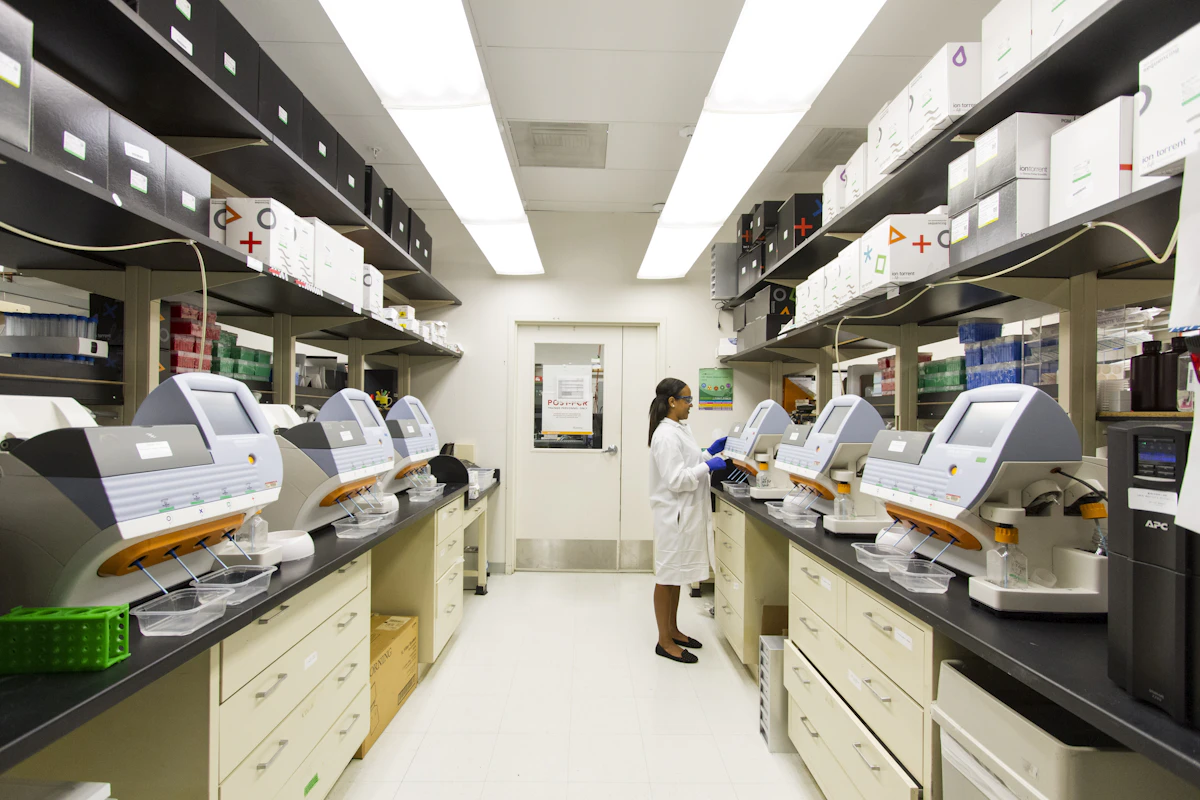
The Commercial Implications
If allogeneic CAR-T can close the persistence gap -- or if a redosing model proves clinically and economically viable -- the commercial implications are transformative.
Cost reduction. Manufacturing hundreds of doses from a single donor run distributes fixed costs across many patients. Industry projections suggest that allogeneic CAR-T could be priced at $50,000 to $100,000 per dose at scale -- a fraction of autologous pricing [18]. Even with redosing, total treatment costs could be significantly lower.
Market expansion. The addressable market for CAR-T therapy is currently constrained by manufacturing capacity, geographic access, and cost. Allogeneic CAR-T removes or reduces all three constraints. It could extend cell therapy from a treatment available to thousands of patients per year to one available to hundreds of thousands.
Speed to treatment. Eliminating the manufacturing wait period means patients receive treatment at the optimal point in their disease course, when tumor burden is lower and overall health is better. This alone could improve outcomes beyond what clinical trial data shows, because trial populations are inherently selected for patients who survived the manufacturing wait.
Combination strategies. Off-the-shelf availability enables combination approaches that are impractical with autologous products -- sequential dosing with different antigen targets, combination with checkpoint inhibitors, or bridging to transplant.
Autoimmune and non-oncology applications. CD19-targeting cell therapy has shown dramatic results in autoimmune diseases like lupus and systemic sclerosis. The far larger patient populations make the economic case for allogeneic products even stronger.
The Competitive Landscape and Timeline to Approval
The allogeneic CAR-T field is now a multi-billion-dollar competitive arena with distinct strategic approaches:
CRISPR-Cas9 platforms (CRISPR Therapeutics, Intellia Therapeutics) offer highly efficient multi-gene editing with a large body of clinical validation, but face ongoing scrutiny over off-target editing risks.
Base editing platforms (Beam Therapeutics, the BE-CAR7 program) avoid double-strand breaks entirely, potentially offering a safer profile for complex multi-edit applications, with less clinical data to date.
TALEN platforms (Cellectis, Allogene via Cellectis technology) were first to clinic and have the longest track record, with high specificity but somewhat lower editing efficiency compared to CRISPR-Cas9.
iPSC platforms (Century Therapeutics, Fate Therapeutics) offer unlimited starting material and perfect batch-to-batch consistency, but face challenges in differentiating cells to full T cell maturity.
chRDNA platforms (Caribou Biosciences) claim improved specificity through hybrid RNA-DNA guides, with early clinical data supporting the approach.
As for timeline, CRISPR Therapeutics is widely expected to file for regulatory approval of zugo-cel as early as 2027, based on ongoing pivotal trial data. If approved, it would be the first off-the-shelf CAR-T therapy to reach the market. Several other programs are in Phase 1/2 trials that could generate registrational-quality data by 2028-2029.
The regulatory pathway for allogeneic CAR-T is not yet fully standardized. Questions remain about donor qualification, lot-to-lot variability, and appropriate endpoints for products that may require redosing. Both the FDA and EMA have issued guidance, but the first approvals will inevitably involve regulatory learning [19].
What Comes Next
The next five years will determine whether allogeneic CAR-T fulfills its promise as a democratized form of cancer immunotherapy. Several technical and clinical milestones will be decisive:
Solving persistence. The field is pursuing multiple approaches: more potent lymphodepletion regimens, engineering cells to resist immune rejection through additional genetic modifications, incorporating cytokine-secreting payloads that support T cell survival, and developing redosing strategies that circumvent anti-donor immunity. Whoever cracks persistence first will have a decisive competitive advantage.
Expanding beyond blood cancers. Allogeneic CAR-T faces the same solid tumor challenges as autologous CAR-T -- tumor heterogeneity, immunosuppressive microenvironments, and physical barriers to infiltration. But the off-the-shelf format enables innovative approaches like multi-target cocktails and repeated sequential dosing that would be impractical with custom-manufactured products.
Real-world evidence. The transition from controlled clinical trials to broad clinical use will generate data on how allogeneic CAR-T performs across diverse patient populations, healthcare settings, and disease stages. This real-world evidence will be critical for payers, regulators, and treatment guidelines.
Manufacturing at scale. Producing millions of doses from standardized cell banks requires manufacturing infrastructure that does not yet exist at the required scale. Scaling from clinical-stage batches to commercial production introduces new technical and quality challenges.
The fundamental appeal of allogeneic CAR-T is not just scientific but humanitarian. Autologous CAR-T has proven that engineered immune cells can cure cancer. Allogeneic CAR-T seeks to make that cure available to every patient who needs it, regardless of geography, insurance status, or the health of their own immune system. The remaining challenges -- persistence, scalability, regulatory clarity -- are significant but tractable. The race for off-the-shelf cancer treatment is no longer theoretical. It is a clinical reality under construction.
References
-
Hernandez, I., et al. "Total Costs of Chimeric Antigen Receptor T-Cell Immunotherapy." JAMA Oncology, vol. 4, no. 7, 2018, pp. 994-996. https://jamanetwork.com/journals/jamaoncology/fullarticle/2678826
-
Jaeger, U., et al. "Portability Review of Manufacturing Process for Tisagenlecleucel." Blood Advances, vol. 4, no. 19, 2020, pp. 4814-4822. https://doi.org/10.1182/bloodadvances.2020002564
-
Locke, F.L., et al. "Axicabtagene Ciloleucel as Second-Line Therapy for Large B-Cell Lymphoma." New England Journal of Medicine, vol. 386, no. 7, 2022, pp. 640-654. https://www.nejm.org/doi/full/10.1056/NEJMoa2116133
-
Eyquem, J., et al. "Targeting a CAR to the TRAC Locus with CRISPR/Cas9 Enhances Tumour Rejection." Nature, vol. 543, no. 7643, 2017, pp. 113-117. https://www.nature.com/articles/nature21405
-
Ren, J., et al. "Multiplex Genome Editing to Generate Universal CAR T Cells Resistant to PD1 Inhibition." Clinical Cancer Research, vol. 23, no. 9, 2017, pp. 2255-2266. https://doi.org/10.1158/1078-0432.CCR-16-1300
-
Poirot, L., et al. "Multiplex Genome-Edited T-Cell Manufacturing Platform for 'Off-the-Shelf' Adoptive T-Cell Immunotherapies." Cancer Research, vol. 75, no. 18, 2015, pp. 3853-3864. https://doi.org/10.1158/0008-5472.CAN-14-3321
-
Gornalusse, G.G., et al. "HLA-E-Expressing Pluripotent Stem Cells Escape Allogeneic Responses and Lysis by NK Cells." Nature Biotechnology, vol. 35, no. 8, 2017, pp. 765-772. https://www.nature.com/articles/nbt.3860
-
CRISPR Therapeutics. "CRISPR Therapeutics Reports Positive Data from Ongoing Phase 1/2 COBALT-LYM Study of CTX112 (Zugo-cel)." Press release, 2025. https://crisprtx.com/about-us/press-releases
-
CRISPR Therapeutics. "CRISPR Therapeutics Announces Expansion of CTX112 Program into Autoimmune Diseases." Press release, 2025. https://crisprtx.com/about-us/press-releases
-
Caribou Biosciences. "Caribou Biosciences Pipeline: chRDNA Technology Platform." https://www.cariboubio.com/pipeline
-
Caribou Biosciences. "Caribou Biosciences Presents Updated ANTLER Study Data for CB-010." Presented at ASH Annual Meeting, 2024. https://www.cariboubio.com/pipeline/cb-010
-
Allogene Therapeutics. "Allogene Reports Phase 2 ALPHA2 Study Data for ALLO-501A." https://www.allogene.com/pipeline/
-
Benjamin, R., et al. "Genome-Edited, Donor-Derived Allogeneic Anti-CD19 Chimeric Antigen Receptor T Cells in Paediatric and Adult B-Cell Acute Lymphoblastic Leukaemia." Lancet, vol. 396, no. 10266, 2020, pp. 1885-1894. https://doi.org/10.1016/S0140-6736(20)32334-5
-
Chiesa, R., et al. "Base-Edited CAR7 T Cells for Relapsed T-Cell Acute Lymphoblastic Leukaemia." New England Journal of Medicine, vol. 389, no. 10, 2023, pp. 899-910. https://www.nejm.org/doi/full/10.1056/NEJMoa2300666
-
Chiesa, R., et al. "Updated Results of BE-CAR7 Base-Edited Allogeneic CAR-T Cells in Relapsed/Refractory T-ALL." Presented at ASH Annual Meeting, 2024. https://ash.confex.com/ash/2024/webprogram/
-
Depil, S., et al. "'Off-the-Shelf' Allogeneic CAR T Cells: Development and Challenges." Nature Reviews Drug Discovery, vol. 19, no. 3, 2020, pp. 185-199. https://www.nature.com/articles/s41573-019-0051-2
-
Themeli, M., et al. "Generation of Tumor-Targeted Human T Lymphocytes from Induced Pluripotent Stem Cells for Cancer Therapy." Nature Biotechnology, vol. 31, no. 10, 2013, pp. 928-933. https://www.nature.com/articles/nbt.2678
-
Harrison, R.P., et al. "Chimeric Antigen Receptor-T Cell Therapy Manufacturing: Modelling the Effect of Offshore Production on Aggregate Cost of Goods." Cytotherapy, vol. 21, no. 2, 2019, pp. 224-233. https://doi.org/10.1016/j.jcyt.2019.01.003
-
U.S. Food and Drug Administration. "Considerations for the Development of Chimeric Antigen Receptor (CAR) T Cell Products: Guidance for Industry." 2024. https://www.fda.gov/regulatory-information/search-fda-guidance-documents

